You Shouldn't Have to Fight Just to Breathe

Let's be real for a second. Breathing shouldn't be a negotiation. But for anyone with allergies or asthma, that's often the daily reality. Is that tightness in your chest just a weird morning feeling, or is the mildew spore count off the charts? Did your kid just have a rough sleep, or is the dust from the old HVAC system turning their room into a trigger zone? It's exhausting. It's stressful. And worse, it feels invisible. You can't see what's in the air, so you're just reacting to the symptoms. This isn't about luxury. It's about taking back a basic level of control over your own home environment.
The One-Two Punch: Purifier vs. Thermostat
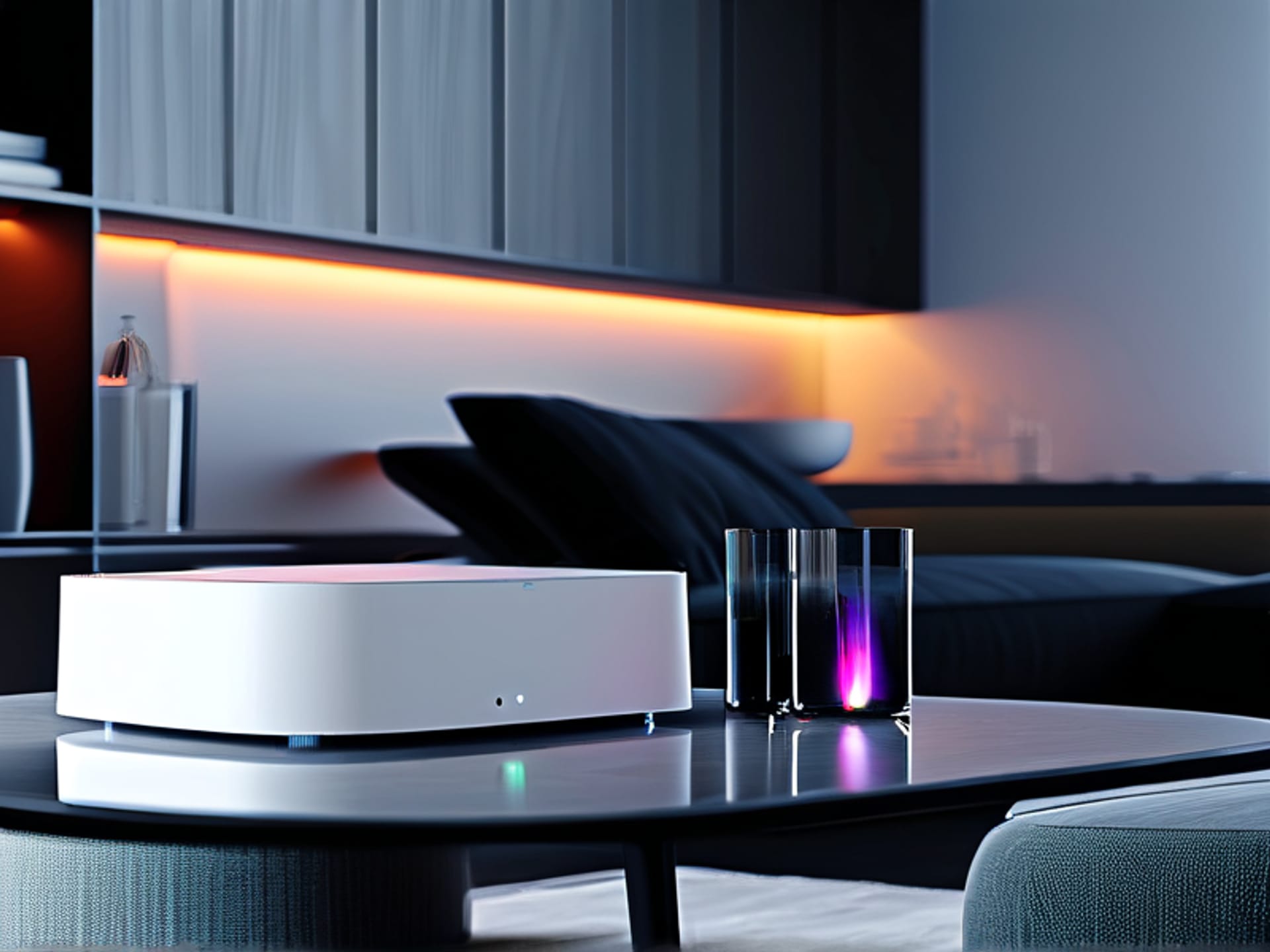
Most people think an air purifier is the whole solution. It's the star player, sure. That HEPA filter is a beast, trapping pollen, dander, and dust mites. But here's the thing: it's reactive. It cleans the air that's already dirty. Your smart thermostat? That's your defensive coordinator. It stops problems before they start. Too humid? Mold and dust mites celebrate. Too dry? Your sinuses revolt. The thermostat monitors and manages that 24/7. The purifier tackles the airborne invaders; the thermostat makes your home a fortress they can't easily thrive in. You need both.
The Silent Saboteur: Humidity
We obsess over temperature. Humidity gets ignored. Big mistake. Dust mites need moisture to survive. They *love* humidity above 50%. Mold spores germinate in it. Keep your indoor relative humidity between 30% and 50%, and you're essentially starving them out. A smart thermostat with a built-in humidity sensor (and a connected dehumidifier or your AC system) does this automatically. No more guessing. No more waking up to that thick, sticky air that makes every breath feel heavy. It's a quiet, background kind of win that pays off every single day.
Stop Reacting, Start Automating
This is where it gets fun. Or, you know, where you finally get to stop thinking about it. Pair your devices. Set a "Sleep" scene: thermostat drops humidity to 45%, purifier kicks to high an hour before bedtime. Create an "Away" mode that runs a deep clean cycle. Use the thermostat's scheduling to anticipate. Know that pollen is high at 5 AM? Program the system to seal up and recirculate air before you even open your eyes. You're not just buying gadgets; you're building a system that works while you're busy living your life. It handles the boring, critical stuff so you don't have to.
Getting It Right (Without Going Broke)
Start with the bedroom. That's where you spend a third of your life. Get a solid HEPA purifier sized for that room. Don't cheap out on a tiny one—it needs to turn the air over multiple times an hour. For the thermostat, you don't need the fanciest model. You need one that monitors humidity and allows for scheduling. Look for a mid-range model from a major brand. The goal isn't perfection on day one. It's meaningful improvement. One room with truly clean, well-managed air is a game-changer for sleep and morning symptoms. You can expand from there.