Get it in Writing. No, Seriously.

Let's be real. We've all been there. A client slides into your DMs, loves your stuff, promises quick payment, and wants you to get started ASAP. The vibes are good. But vibes don't pay rent. You know you *should* get a contract, but it feels awkwardly formal, right? Like you're being difficult. Here's the thing: protecting your income isn't difficult. It's professional. A contract isn't a sign of distrust; it's a clear instruction manual for the entire job. No more guessing games. No more endless email chains asking what you're supposed to do next. Get it in writing. Every single time.
Kill Confusion: The "Scope of Work" Clause
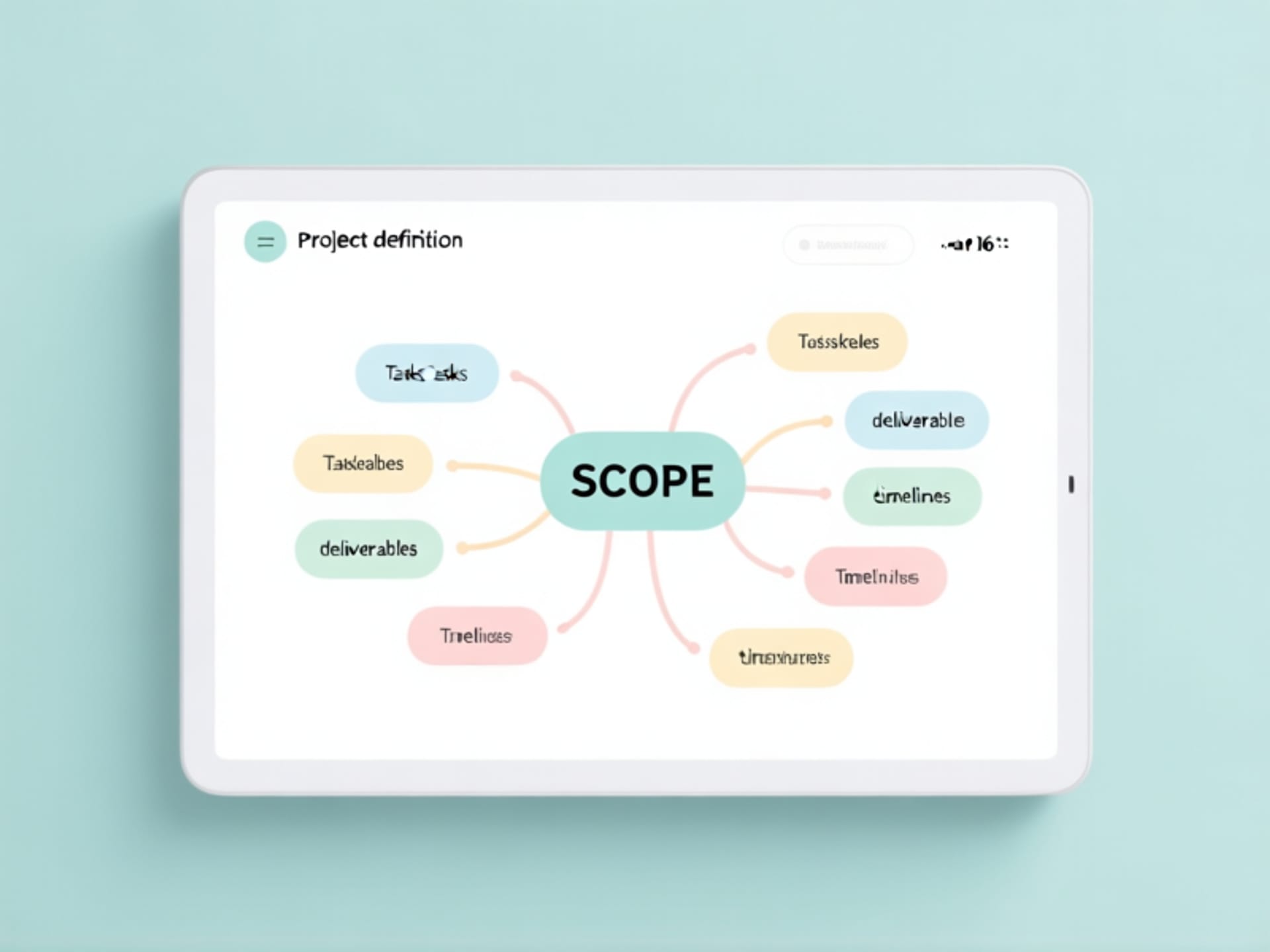
This is your job's playbook. Vague work descriptions are a freelancer's number one enemy. "Make the graphics look cool" isn't a scope. It's a nightmare waiting to happen. A solid scope clause nails down everything you're responsible for. Think specifics: "Design five social media posts per week for three months" versus "Handle social media." It lists the exact number of revisions included (yes, you get to say the magic number "two" or "three"). It states the format of the deliverables. This is your shield. When the client comes back on round six asking for "just one more tweak," you point to the contract. Politely, of course.
Get Paid, On Time: Payment Terms You Can Actually Enforce
This is where you stop being a bank for your clients. "Net 30" sounds professional, but it means you're waiting a month *after* you finish the work. That sucks. Your contract should state three things clearly: the total project fee or hourly/daily rate, the payment *schedule* (e.g., 50% upfront, 50% before final files), and the method (PayPal, Wise, bank transfer). Include the due date. "Upon completion" isn't good enough. Is it upon your completion or the client's final approval? Spell it out. And for the love of your sanity, put in a late fee. Even a small one (like 5% per month) makes clients think twice about ghosting your invoice.
Who Owns What? The Intellectual Property Handoff
This is the big one, especially for creatives. You make something from scratch. A logo, a song, lines of code. Who owns it? If your contract is silent, it can get messy. Most clients want full ownership (a "work for hire" or "buyout"). Fine. But that should cost more than a client who only gets a license to use it. You need to define the handoff: When does the client own the work? Upon final payment? That's a smart default. What about your right to display it in your portfolio? Make sure that's in there. Don't accidentally sign away your right to show the cool thing you made to get your next gig.
The Graceful Exit: Termination & Revisions
Sometimes projects go south. The client's budget changes. Your priorities shift. A good contract has a simple escape hatch for both sides. This is your termination clause. It states how much notice you need to give (or get), and what happens to the money. Usually, you get paid for all work completed up to that point. Ties into the scope of work and payment schedule. And revisions? We touched on it, but this clause makes it concrete. "Unlimited revisions" is a trap that turns one project into a lifetime commitment. Your contract defines the limit. It protects your time and sanity.
Where to Start (It's Not as Hard as You Think)
Okay, you're convinced. But you're not a lawyer. Deep breath. You don't need to start from a blank page. Grab a solid freelance contract template. Platforms like The Freelance Creative, Bonsai, or even some industry-specific associations have them. They're built by professionals and cover all the bases we just talked about. Your job is to *customize* it. Fill in the blanks with your specific scope, your rates, your payment terms. Read it. Understand it. Then send it. That draft contract email is a power move. It shows you're not messing around, that you value your own work, and that you're the kind of professional they want to work with.