Your Phone Is Stressing You Out. Let's Fix It.
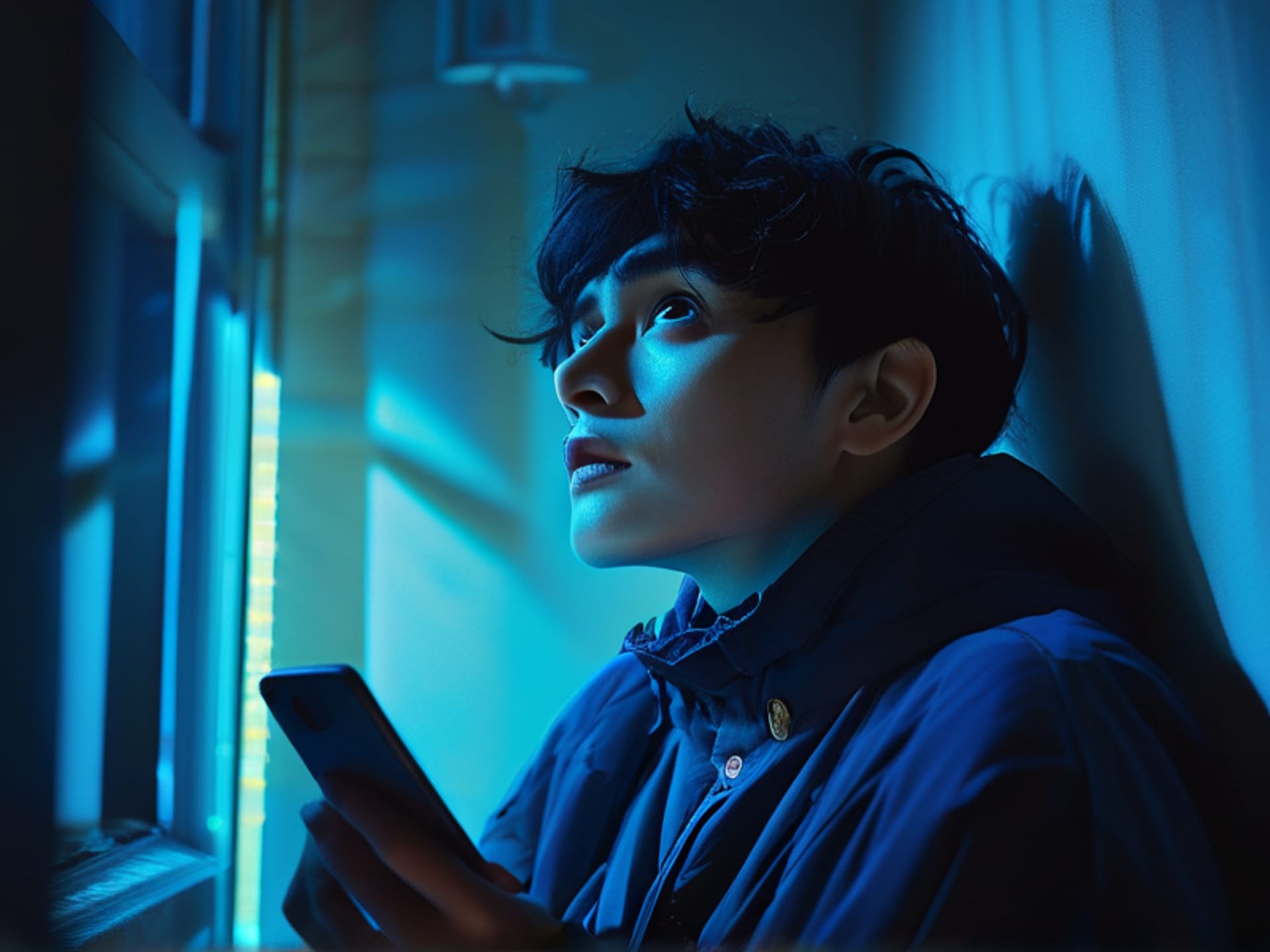
You know the feeling. You're scrolling, your mind is racing, and suddenly you realize you've been holding your breath. That cold, blue glow from your screen isn't helping. It's like mainlining caffeine for your eyes. It tells your brain it's time to be alert, not to chill out. But here's the thing: tech isn't just the problem. It can be the solution. We just have to use it right.
Calm Starts with Light (Get Rid of the Blue)
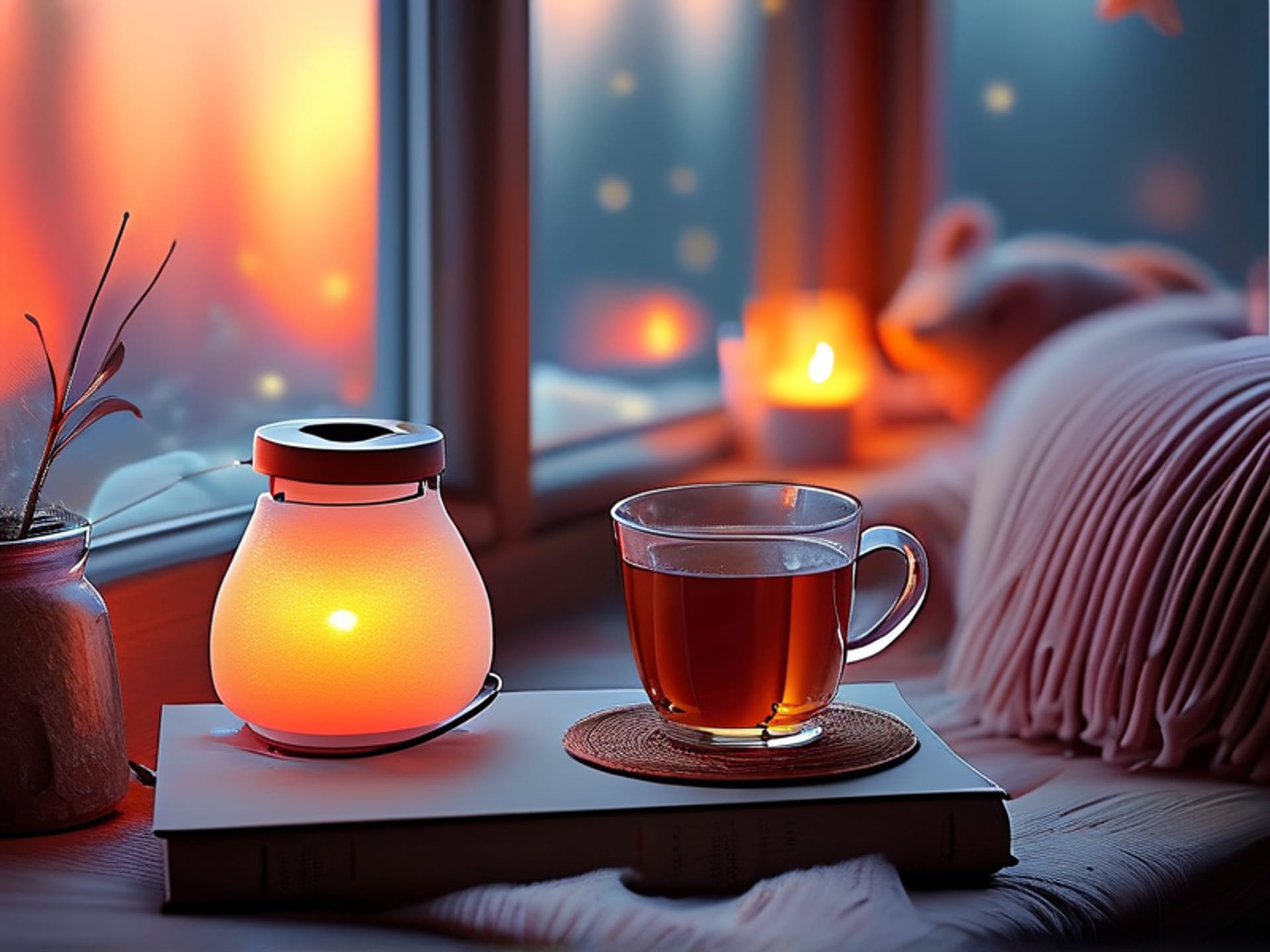
Before we add stuff, let's remove the bad stuff. Screens are a mess after dark. The first rule of a calm-down routine is light management. Most smart bulbs or apps let you schedule a "Night Light" or "Warm Light" mode as the sun goes down. Do it. It fades out the harsh blue spectrum automatically. You won't even notice the shift, but your brain will. It's the cheapest, easiest piece of anxiety relief tech you own.
Crafting Your "Sunset in a Bulb" Scene
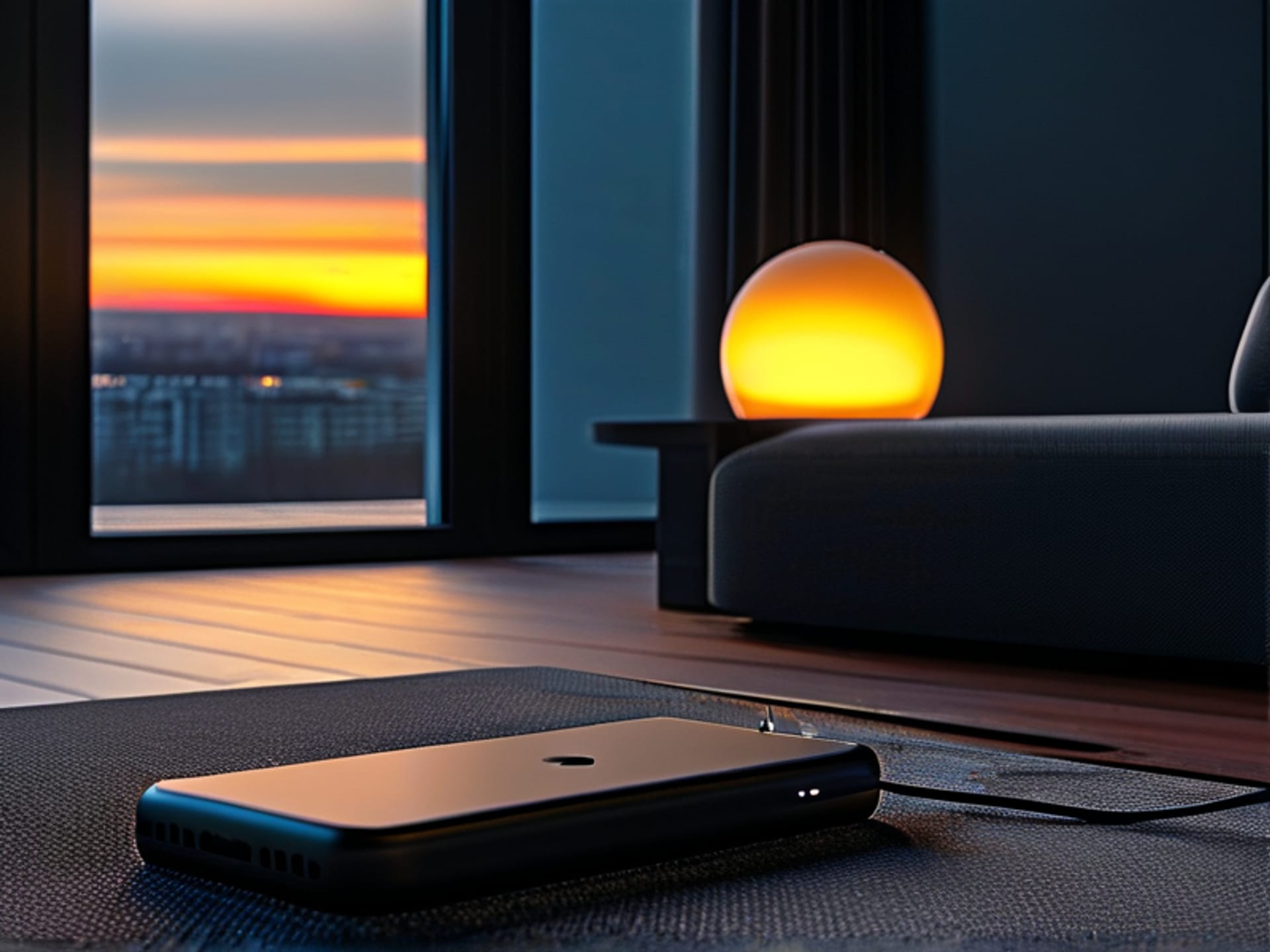
Smart lights let you get creative. This is mood management, not just illumination. Before you start your wind-down, trigger a "Calm Scene." I've got mine called "Deep Twilight." It's a single bulb turned down to 10% brightness, in a deep, dark blue. It's the exact opposite of a white clinical ceiling light. It tells my nervous system, "The day is over." Find your color. Maybe it's a soft amber, a dusty rose, a forest green. Dim it way down. Your space should feel like a cave you *want* to be in.
Sound is the Secret Weapon
Light sets the stage. Sound builds the world. Complete silence can be unsettling. But chaotic noise is worse. This is where a good white noise machine (or a decent app) pays for itself. It's not just a hissing sound. We're talking deep brown noise—like a low rumble—or gentle rain on leaves, or distant ocean waves. Don't use music with a melody. Melodies engage your brain. You want sonic wallpaper. A consistent, predictable soundscape that masks the random bumps and creaks of your house, which your anxious brain loves to turn into threats. It's simple. It works.
Your "I'm Done" Routine, Codified
This isn't magic. It's a habit. So make it stupidly easy. Most smart home systems let you create a single command. On your phone, on a smart button, or just by saying it. Mine is: "Hey Google, bedtime." And then it happens. The lights shift to Deep Twilight. The white noise machine fades in. My phone goes to Do Not Disturb. The whole performance starts with one cue. Your brain loves cues. It's a signal that work, stress, and the endless scroll are officially over. For the next 30 minutes, your only job is to be bored. Read a real book. Stare at the wall. Breathe.
The Tech That Helps You Let Go
Anxiety loves a void. It fills it with "what-ifs." A solid relaxation routine isn't about being productive. It's about filling the space before anxiety can. The lights and sound aren't distractions. They're the new environment. One that you control. You're not just dimming a bulb. You're telling your nervous system to stand down. That's the real power here. You get to decide when the chaos ends. So flip the switch. Hit play on your sound. And just... stop.