Think a Light is Just a Light? Think Again
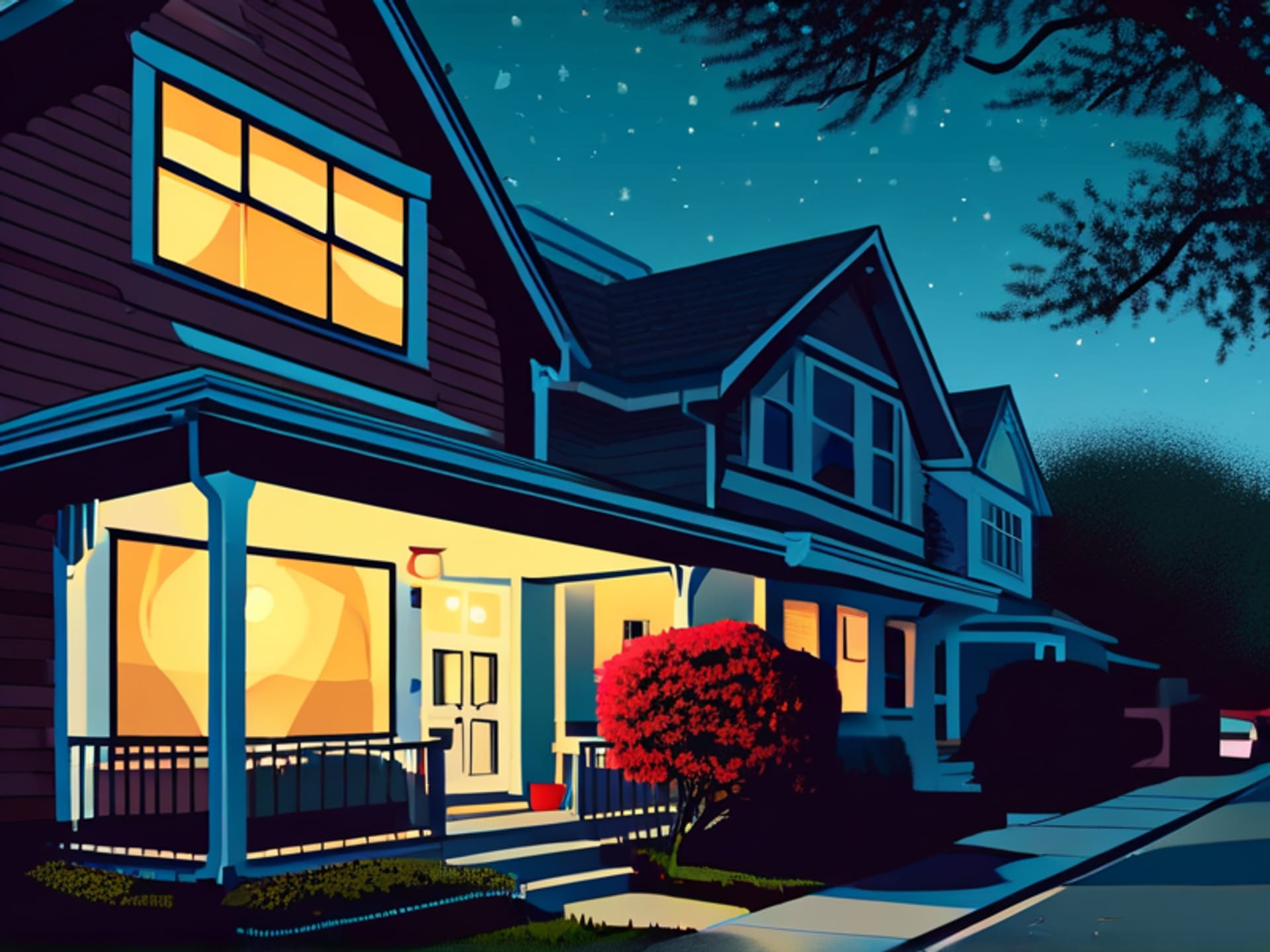
Let's be real. Back in the day, leaving a light on was the classic move. We all did it for our folks. That sad little porch bulb burning all night. Mom's lamp in the living room. You knew they were trying. But so did every crook casing a neighborhood for three weeks. A light that never moves or shuts off is a big, flashing "NOBODY'S HOME" sign. It's not security; it's a signal. That old method? It's about as effective as a screen door on a submarine. We need to get smarter.
Your Home, On Autopilot
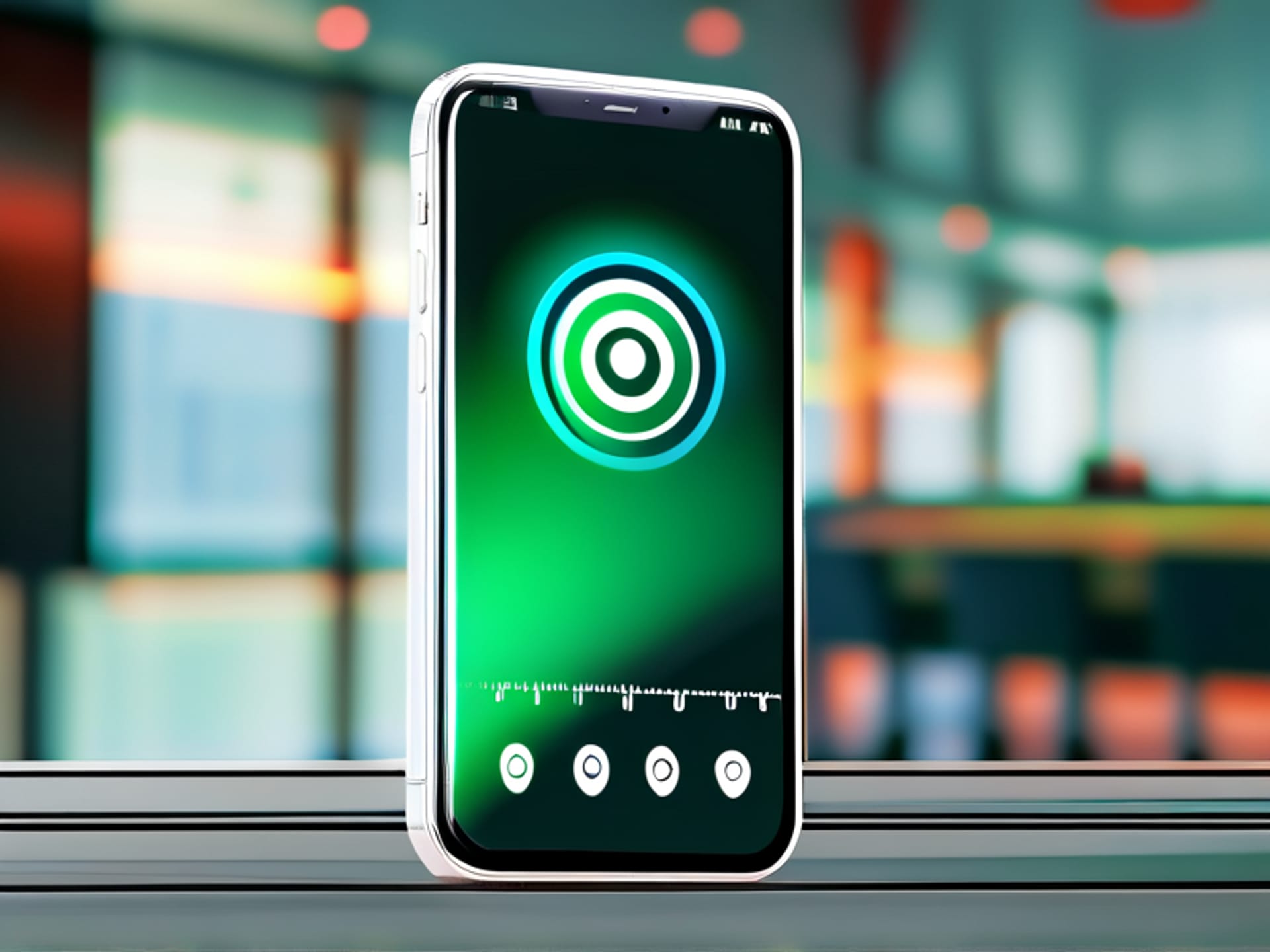
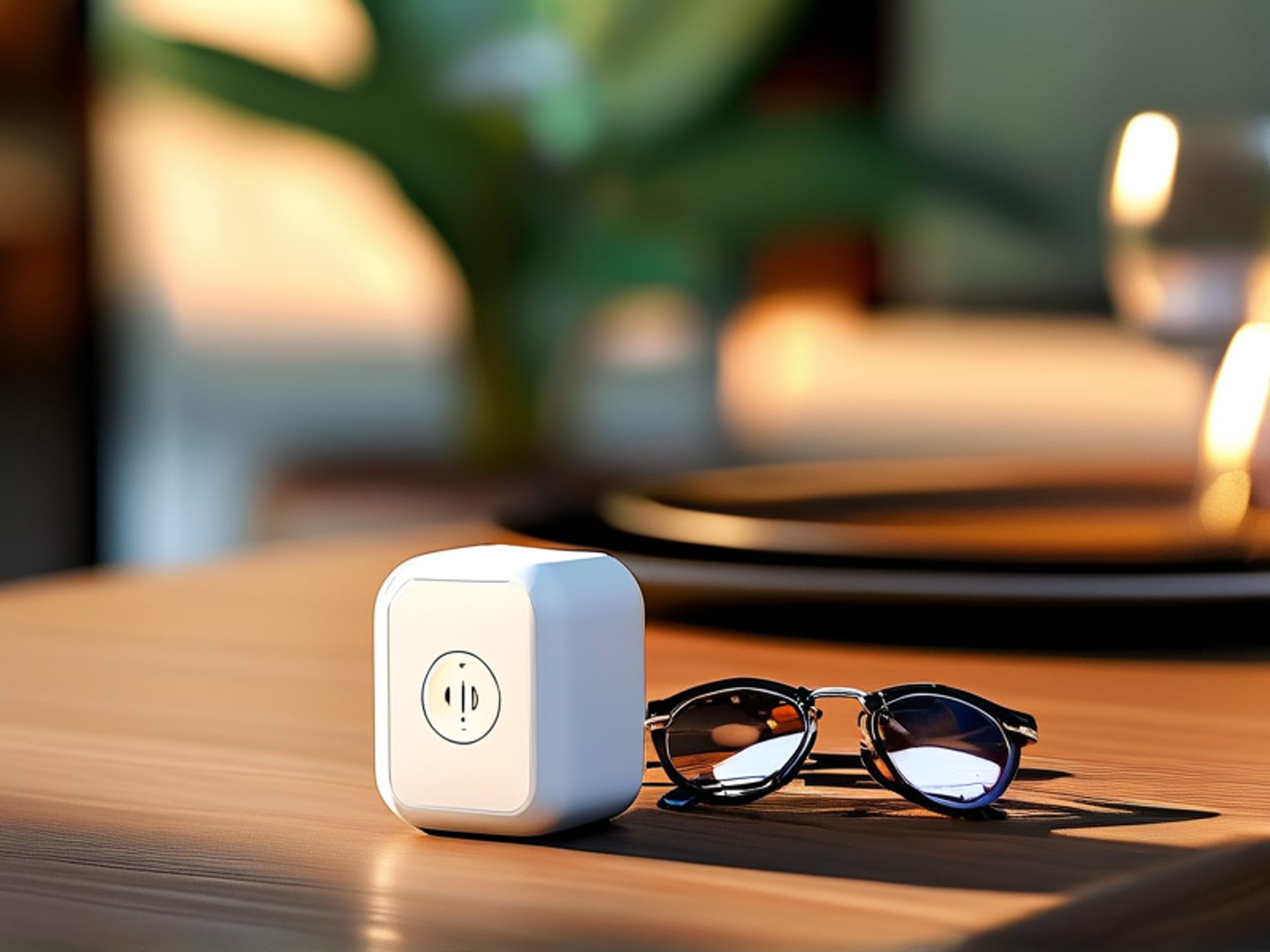
This is where it gets simple. And powerful. You're not programming the space shuttle. You're telling a light to turn on at 7 PM and off at 11. Every. Single. Day. You do it once. On your phone. From your couch. It's not a timer from the 80s that gets messed up when the power blinks. This is your house running its life without you. The front porch lights up at dusk without a thought. The kitchen light pops on in the morning before you shuffle in for coffee. It creates a heartbeat for the house. A predictable, normal rhythm that looks, from the outside, like someone is living there. Because, technically, the house is.
The Magic Trick Called "Presence Simulation"
Okay, automated schedules are good. But smart lighting can get clever. It can do the walk-through. Imagine your living room lamp kicks on at 7. At 8:30, it turns off, and the bedroom light flicks on for an hour. Later, maybe the bathroom light for a few minutes. This isn't random. It’s a story. A story of someone moving through their home in the evening. That’s "presence simulation." You’re not just having lights on; you're having a life on. To a prowler watching from a car, that house isn't just occupied—it's actively lived in. And an active house is a risky target. It makes them hesitate. Hesitation is your best friend.
The Brightest Burglar Repellent Ever Made
Light is a primal deterrent. We're wired that way. Sudden, bright light in the dark screams "YOU ARE SEEN." Modern security lights with motion sensors are genius. They sleep in the dark, saving energy and looking normal. Then, the second something crosses their path—BAM. The yard is brighter than a baseball stadium. It's shocking. It's disorienting. For a burglar, that light feels like a spotlight and an alarm bell combined. Their cover is blown. Their plan to sneak around is over. Most will just run. The best security system is the one that never has to call the cops because it scared the problem away before it started.
Vacation Mode: The Ultimate Peace of Mind
Here's the real kicker for seniors or anyone traveling. You can take that "presence simulation" and crank it to eleven. One tap in an app: "Vacation Mode." Now your house runs its own elaborate light show. Different rooms at different times, mimicking the quiet chaos of a real week. Maybe the TV light flickers on some evenings. It's unpredictable, alive. No more asking the neighbor's kid to please remember the lights. No more worrying if you set the old mechanical timer right. You can check in from your phone on the beach if you want. But you probably won't need to. Because your empty house is putting on a convincing performance of being full. And that’s the whole point.
It’s Not About Gadgets. It’s About Habit.
This isn't about turning your home into a spaceship. It's the opposite. It's about removing friction. Forgetting to turn the porch light on isn't a little mistake; it's an advertisement. Smart lighting takes that task off your mental checklist forever. It runs in the background, building a shield of normalcy. For seniors, especially those living alone, that's huge. It's one less thing to worry about. One more layer of "keep out" wrapped around your home. It’s quiet, constant, and brilliantly simple. That’s not just smart. That’s peace of mind you can actually use.