It's Not About A Number On A Tuesday
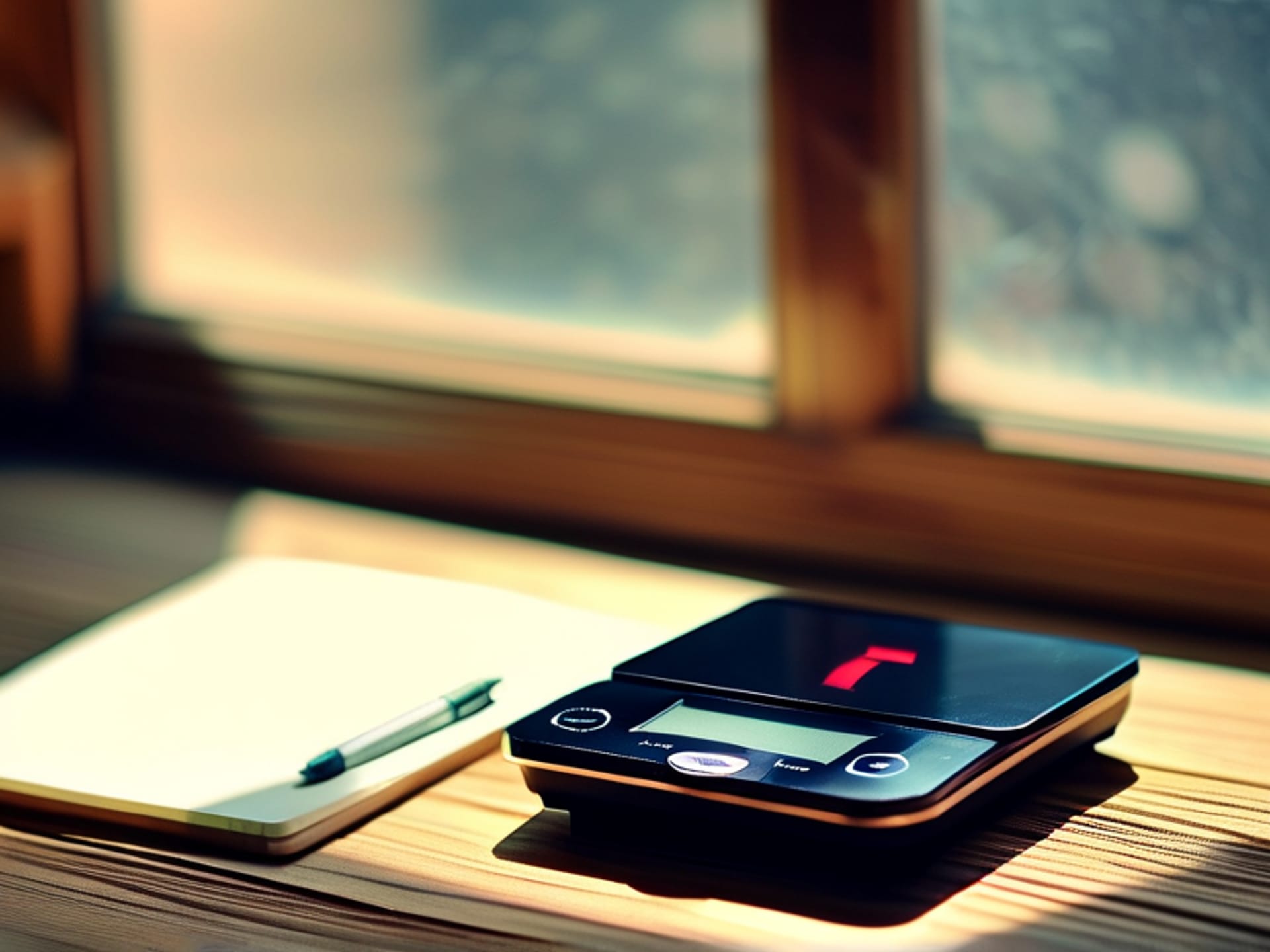
Let's be real. Weighing yourself can be a frustrating, even demoralizing ritual. Step on one day, you're up two pounds. Step on the next, down three. What does it even mean? For seniors, these daily fluctuations can be confusing and create unnecessary anxiety. You start questioning that extra piece of toast. Or worse, you just stop checking altogether because the data feels random and useless. That's the problem. A single data point is just noise. The real story is in the trend. Here's the thing: smart scales get that. They stop obsessing over Tuesday's random number and start showing you the bigger picture painted over weeks and months. That's where the useful info lives.
Beyond "Weight": The Sneaky Story Your Body's Telling
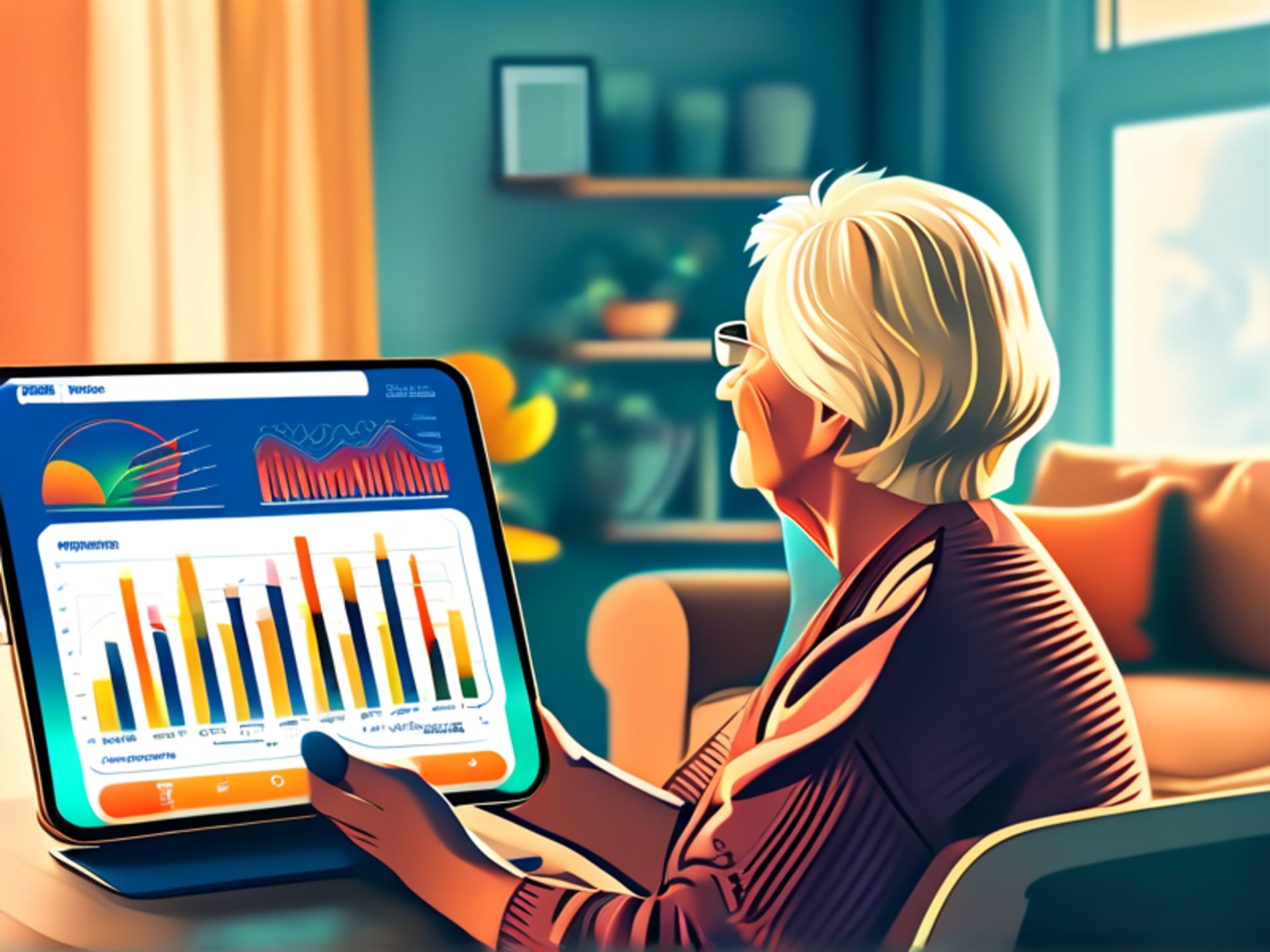
Old scales told you one thing: gravitational pull. That's it. A smart scale is like a quiet detective gathering clues. Weight is just chapter one. It's also tracking body composition. That means muscle mass versus body fat percentage. This is huge. Maybe the number on the scale hasn't budged, but your body fat is trending down while muscle is trending up. That's a massive win for metabolic health and strength—something a regular scale would completely miss. Or the opposite: the scale's steady, but muscle is quietly dropping. That's an early warning sign you can act on. It's not just about "losing weight." It's about understanding what that weight is made of.
Spotting Trouble Before It Starts: Fluid & Trend Alarms
Okay, this is where it gets serious. One of the biggest, sneakiest issues for seniors is sudden fluid retention. It can be a sign of heart trouble, kidney issues, or medication side effects. Spotting this early is critical. A regular scale might show a 5-pound jump, and you'd blame the big dinner. But a smart scale, tracking trends, sees that sharp, unexpected climb over 48 hours. It can send an alert. Not to scare you, but to say, "Hey, this pattern isn't normal. Maybe mention it to the doctor." Same with gradual weight loss you might not notice day-to-day. These aren't just metrics; they're an early warning system. It's about having data to start a conversation with your doctor before a small issue becomes a big one.
No Tech Degree Required: The "It Just Works" Factor
I know what you're thinking. "Another gadget. Another app. Another password to forget." I hear you. But the best of these scales are designed for this. You set it up once—usually just by stepping on it and connecting to your home Wi-Fi. After that, you just...step on it. Like a normal scale. It recognizes you, sends the data to an app on your phone or tablet (or even a family member's phone, with your permission), and builds the charts in the background. Your job is to live your life. Its job is to quietly keep the ledger. Seriously. The barrier to entry is shockingly low for what you get back.
The Confidence of Knowing, Not Guessing
This is the real payoff. It replaces worry with knowledge. Instead of *feeling* a bit more puffy or *worrying* you're losing strength, you have a gentle, objective record. It takes the emotion out of it. Walking into a doctor's appointment and being able to say, "Here's my weight trend from the last three months, and I noticed this specific change in my body fat percentage around this time," is powerful. It changes the conversation from guesswork to collaboration. That's the goal. It's not about chasing a perfect number. It's about having a clear, honest view of your health so you and your care team can make smarter decisions. No drama. Just useful information.