Why Your Inner Chimp Freaks Out Before a Speech (And What to Do About It)

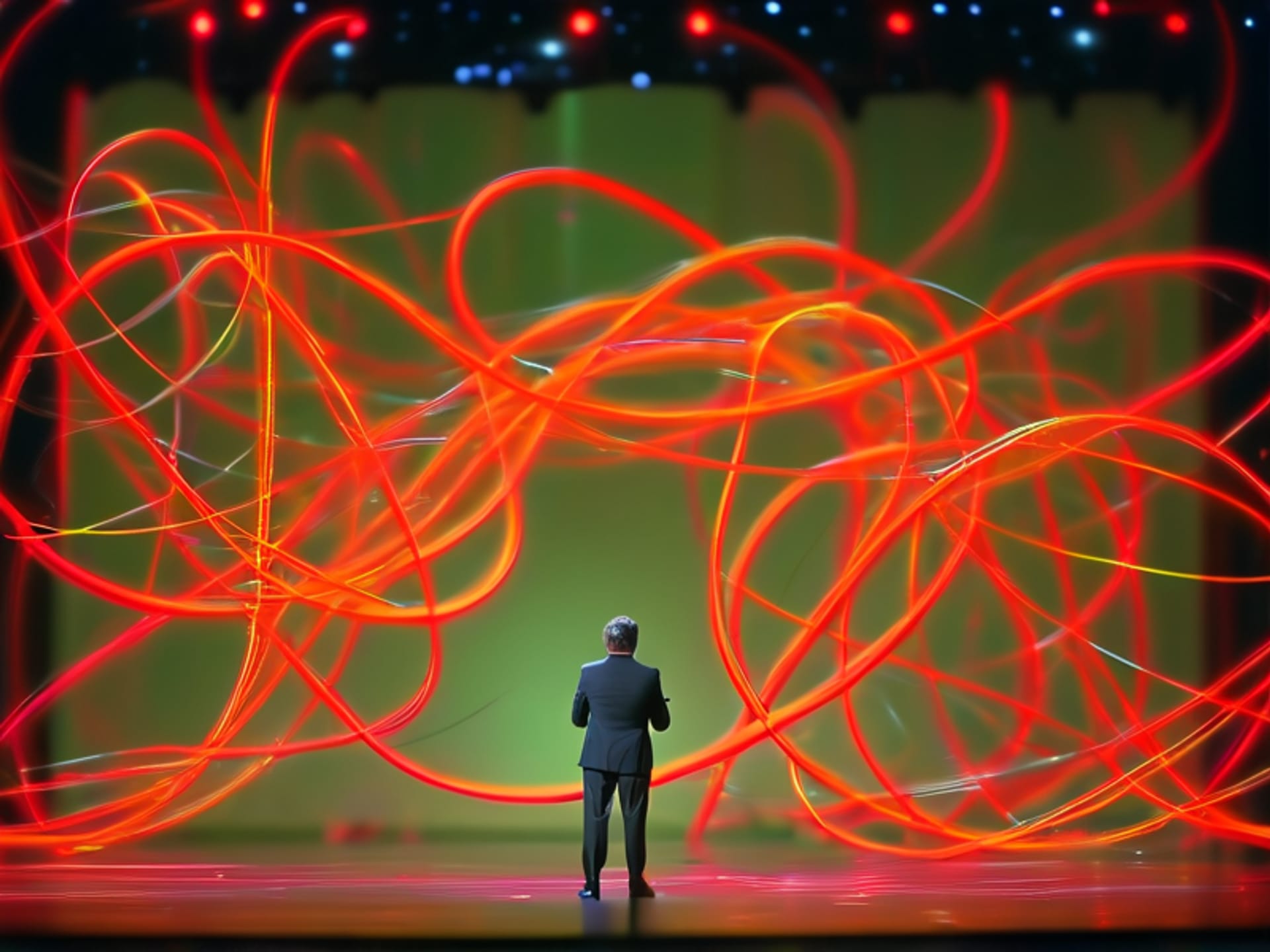
Your heart is a jackhammer. Your mouth is the Sahara. The single line of text on your note card might as well be ancient hieroglyphics. You know that feeling, right? We all do. It's not a character flaw. It's your body's prehistoric wiring screaming "DANGER!" at the idea of being judged by the tribe. Problem is, a modern boardroom isn't a sabretooth tiger. But your brain hasn't gotten the memo. So you stand there, palms sweaty, feeling like an imposter waiting to be exposed. That's the starting line for everyone. The good news is, we can rewire that reaction. Not by fighting it, but by training a different response. Let's talk about rewiring.
Meditation Isn't Magic. It's Reps For Your Brain.

Hear "meditation" and you might think of monks on mountaintops. Not helpful. Think of it like this: a public speaking workshop trains your skills. Meditation trains your operating system. It's practice for noticing your thoughts without getting hijacked by them. You sit, you breathe, you notice your mind planning your grocery list... and you gently bring it back. That simple act—noticing and returning—is the core rep. When a spike of "I'm going to forget everything!" hits you mid-speech, a trained mind can spot it, acknowledge the feeling, and let it drift past without spiraling into full-blown panic. No mountaintop required. Just a chair.
The Two-Minute Breath Hack You Can Do Anywhere
You're in the bathroom five minutes before your talk. No time for a zen retreat. Time for the breath weapon. Your breath is the remote control for your nervous system. Shallow chest breathing = panic signal. Deep belly breathing = safety signal. Try this: breathe in slowly for 4 seconds. Hold it comfortably for 7 seconds. Exhale fully through your mouth for 8 seconds. That's the 4-7-8 breath. Forceful exhale is key. Do that three times. It's not about perfection. It's about physically telling your body "stand down." Works in an elevator. Works backstage. It just works.
Picture This: Actually Enjoying the Spotlight
Here's a secret all top performers use: they've already won in their mind. Before you ever step on stage, close your eyes. Don't just vaguely "think positive." Get specific. See the room. Feel your feet solid on the floor. Hear your own voice, strong and clear. Feel the warm glow of the lights. Watch yourself delivering that perfect line and seeing heads nod in agreement. Taste the relief and success when you finish. This isn't daydreaming. It's neural rehearsal. You're laying down the tracks for your brain to follow. When you arrive, it feels familiar. The script isn't just on your slides. It's in your nervous system.
Your 7-Day No-B.S. Meditation Starter Plan
Forget "one hour a day." That's why people quit. Start dumb small. Set a reminder for two minutes, today. Find a quiet corner. Sit in a chair. Back straight but not stiff. Close your eyes or soften your gaze. Just focus on the physical sensation of your breath at your nostrils or the rise/fall of your belly. Your mind *will* wander. The moment you notice, that's the win. Gently come back. That's it. Do that for two minutes. Do it again tomorrow. By day seven, maybe try three minutes. The goal isn't a perfectly clear mind. The goal is catching your thoughts faster. That's the point. Notice "thinking." Label it gently: "planning," "worrying." Return focus to the physical feeling of your inhale and exhale. That's it. That's one rep. Do it for two minutes. Do that for seven days. The goal isn't an empty mind. The goal is a mind you can steer.