Your House, Your Health Dashboard? Yes, Please.
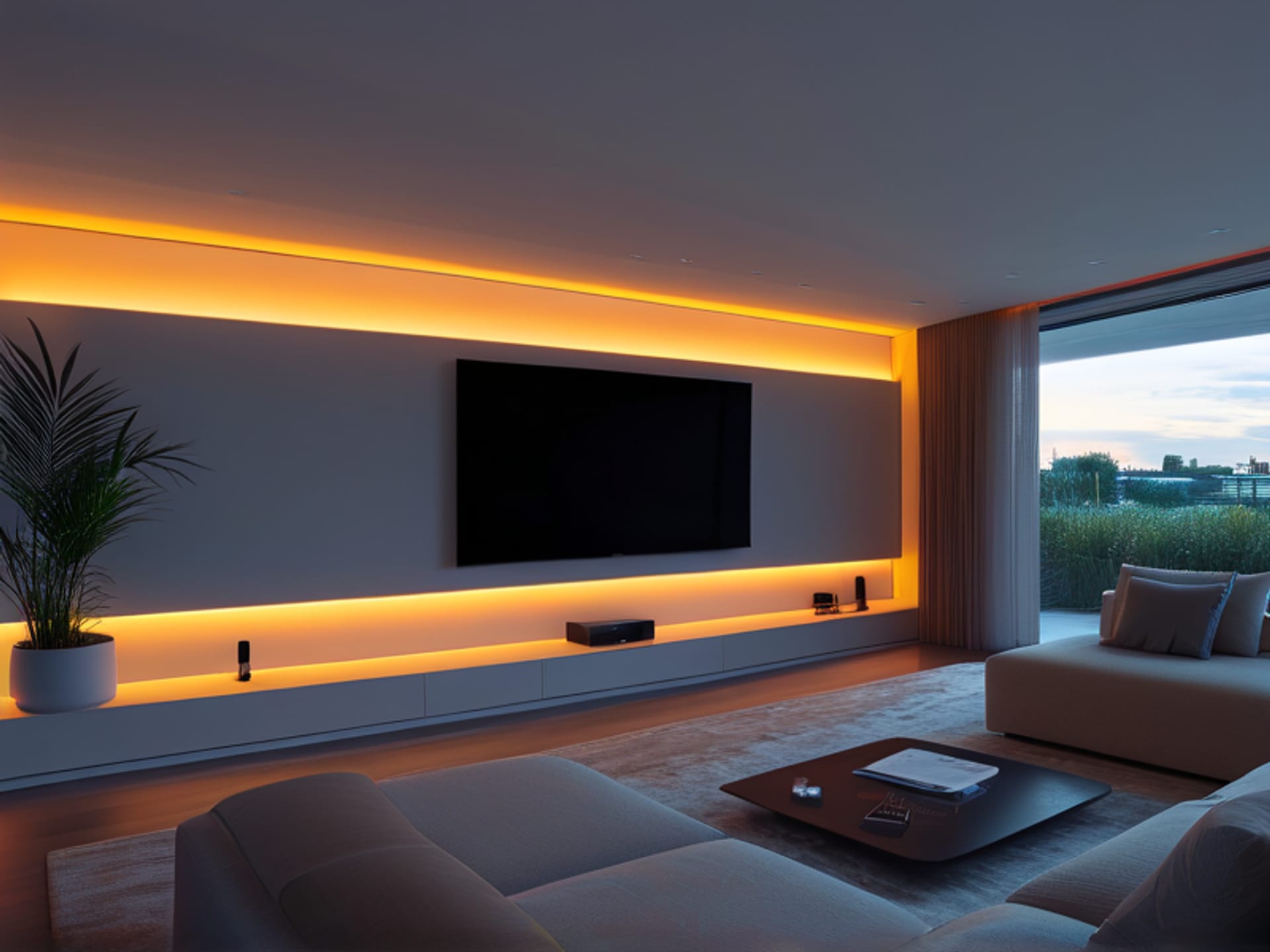
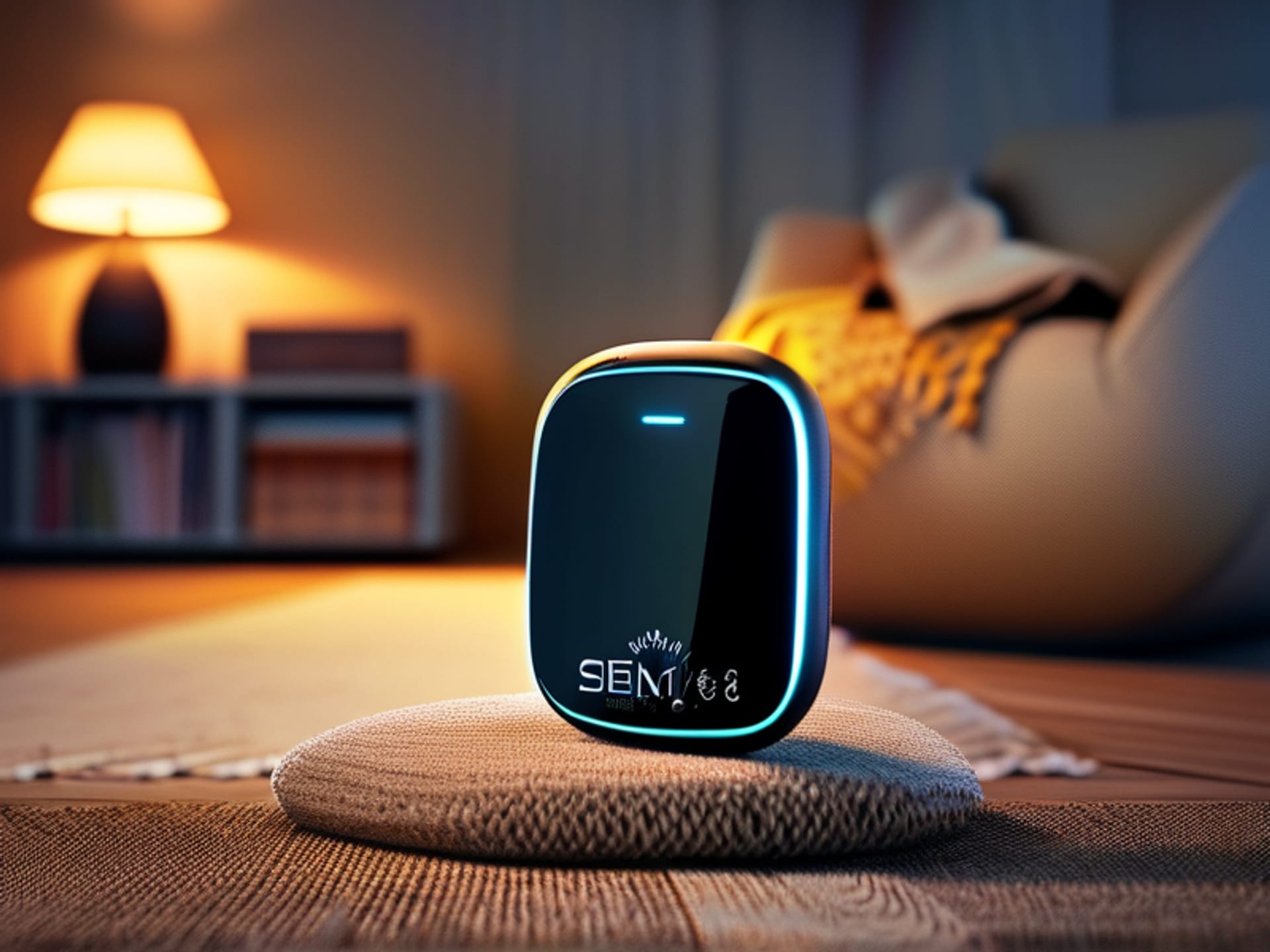
Let's be real. Your Fitbit or Apple Watch spits out numbers that feel kinda… separate. You close the app, and poof, that info is gone. But what if your house paid attention? Imagine walking in and your smart lights gently warm to a color that helps you wind down because your watch says your stress is elevated. This isn't sci-fi. It's connecting the dots between the data you're already collecting and the environment you live in. Your smart home can become the physical display for your health stats. A dashboard you don't have to check, because it checks on you.
Heart Rate: From Number on Your Wrist to Signal in Your Home
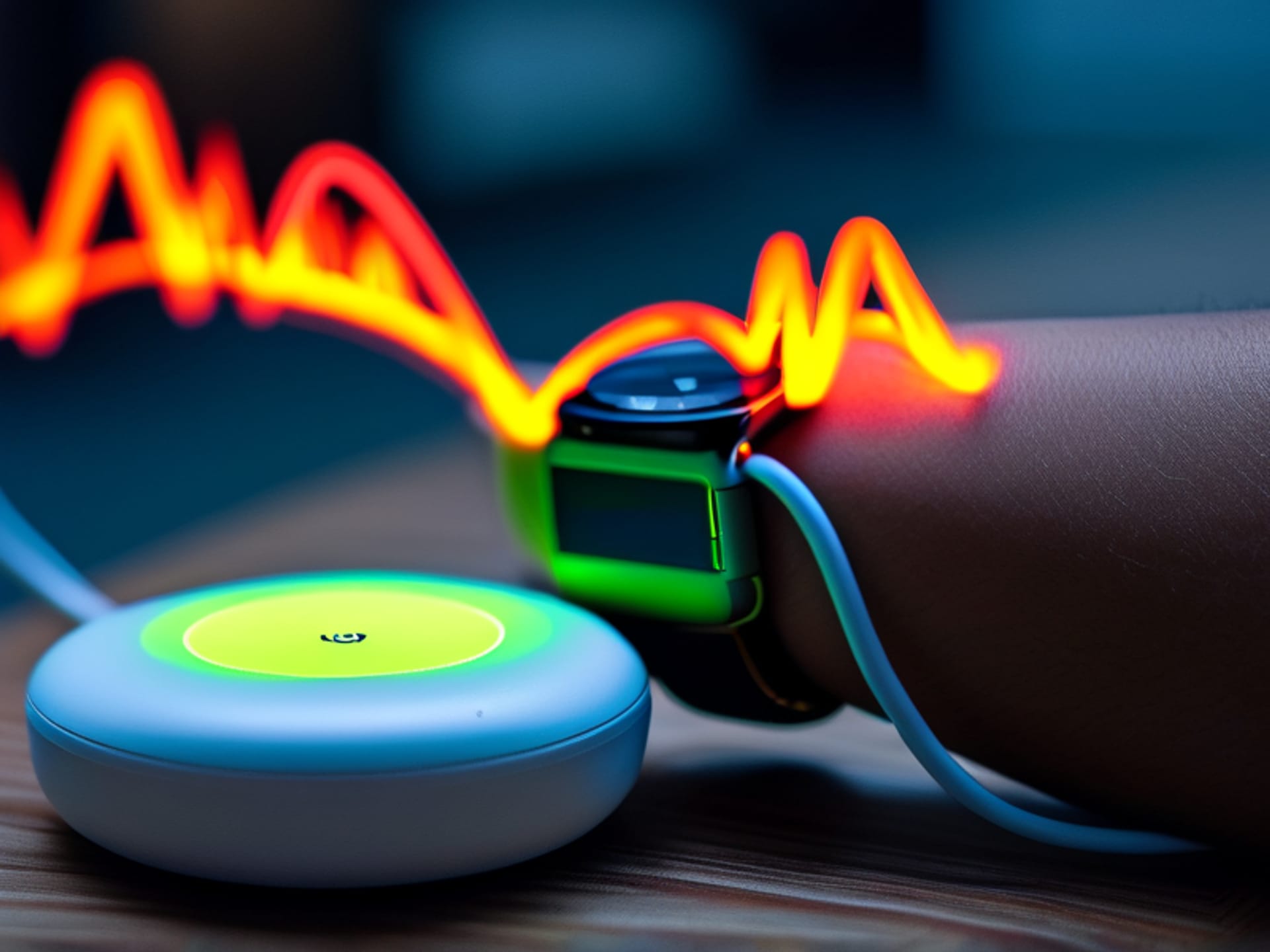
Your resting heart rate is a fantastic little snitch. It tells on your stress, your recovery, even if you're getting sick. So why let that intel go to waste? With a little setup, you can have that data talk to your smart home. You can create a simple automation: if your heart rate stays above 100bpm for 10 minutes while you're just sitting on the couch, have a smart plug turn on a calming diffuser. Or, if your heart rate dips into your "recovery zone" after a workout, have the thermostat nudge down a degree to help you cool off. It's about making the invisible, visible. Giving your body's signals a way to change your surroundings.
Stop Guessing About Sleep. Let Your Lights Prove It.
You think you slept "okay." Your wearable says you spent 45 minutes restless and got barely any deep sleep. Who you gonna trust? Here's where integration gets cool. Connect your sleep score from last night to your morning routine. Score above 85? Your smart blinds open gradually to simulate sunrise, and your coffee maker starts. Score below 70? The blinds still open, but slowly, and the lights come on to a cool, energizing blue tone to fight the grogginess. Your house doesn't just wake you up. It wakes you up based on *how* you slept. It's a game of gentle persuasion, not a blaring alarm.
From Couch Potato Alerts to "Go, You!" Celebrations
We all have those sedentary days. The watch buzzes: "Time to move!" And we sigh, and ignore it. Now, make that alert harder to ignore. Set it up so missing two hourly activity goals triggers your smart lights to flash gently in a "get up" color. Hit your daily step goal? Cue the victory lap: your favorite upbeat playlist starts on the kitchen speaker, and the porch light flashes a party pattern. It turns passive tracking into an active conversation. Your house becomes your coach, your cheerleader, and sometimes, that annoying friend who won't let you slack off.
Building Your Health Hub: No PhD Required
This sounds fancy, but the glue is simpler than you think. You don't need to code. You need a middleman app like IFTTT, Zapier, or even your device's own platform (Apple Home, Google Home). These tools let you create "if this, then that" rules. *If* my Fitbit sleep score is "Good," *then* turn my Philips Hue lights to "Sunrise." *If* my heart rate is "High" for 10 minutes, *then* send a custom alert to my Amazon Echo. Start with one thing. Connect your sleep to your lights. Master that, then add your activity alerts. Before you know it, your data has a home.