The "Oh Crap, Did I Take My Pills?" Problem

Let's be real. We all forget stuff. Your keys. Your password. That one co-worker's name. But forgetting medication? That's different. That sudden, cold panic at 2 PM. *Did I take my morning dose?* You stare at the little plastic organizer. Was today the blue slot or the green one? You're playing a high-stakes guessing game with your own health. It sucks. It's stressful. And for millions managing chronic conditions or helping aging parents, it's a daily reality that can have serious consequences.
Your New Best Friend: The 24/7 Electronic Nagger
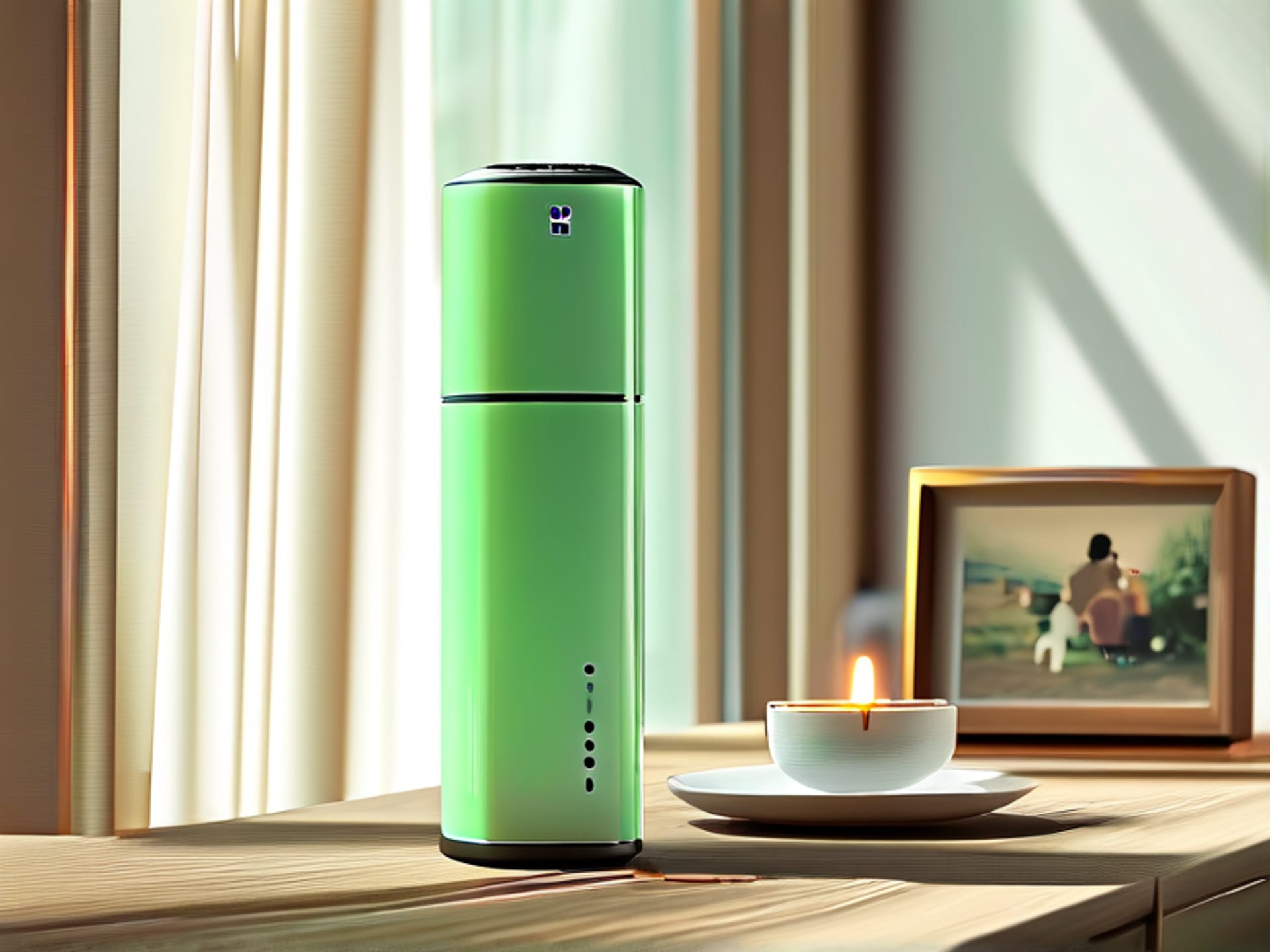
Enter the smart pill dispenser. Imagine a device that won't let you forget. Seriously. It's the most helpful nag you'll ever own. It doesn't just sit there. It beeps. It flashes. It connects to your phone and gives you a notification so persistent you'd think it was your mom texting. No more mental gymnastics. The device holds your pills, sorted by dose and time, and when it's time? It literally opens the right compartment. Some even dispense a single pill with a glass of water. Your only job is to take what it gives you. It's brilliantly simple. Like training wheels for your health routine.
Peace of Mind for Caregivers (Who Need Sleep Too)
Here's the thing. If you're caring for someone from afar, your brain is always on. *Did mom take her blood pressure meds?* It's a constant, low-grade worry. Smart dispensers fix that. They send alerts. Not just to the user, but to you. A quick ping to your phone: "Mom's 10 AM dose was taken." Or, more importantly: "**4 PM Dose Missed.**" That alert is a lifeline. It turns vague anxiety into actionable information. You can call, you can check in, you can stop imagining the worst. It gives your loved one independence while giving you a much-needed mental break. Everyone wins.
From Guessing Game to Hard Data
Our brains are terrible record-keepers. A smart dispenser isn't. It logs everything. Every time you open a compartment. Every missed dose. That data gets synced to an app, turning your foggy memory into crystal-clear charts and reports. Seeing a 95% adherence rate for the month feels good. But more crucially, that data is gold for doctor's visits. Instead of "I think I'm pretty good about it," you can say, "Here's my log from the last 90 days." It transforms a conversation. It helps you and your doctor spot patterns, adjust dosages, and make decisions based on facts, not feelings or forgotten Tuesdays.
Is a Robot Pillbox Right for You?
Obviously, it's not for everyone. If you take one vitamin a day, you're probably good with the old-fashioned method. But ask yourself: Is my current system working? Or am I relying on luck and a faulty memory? For anyone on multiple meds, with a complex schedule, or managing a condition where timing is critical—this tech isn't a luxury. It's a tool for better control. It’s about removing friction from the most important routine of your day. It's about swapping out guilt and worry for a simple beep and a green light. And honestly? That's a trade worth making.