Fido vs. Your Security System: The Pawsome Upgrade Your Home Needs
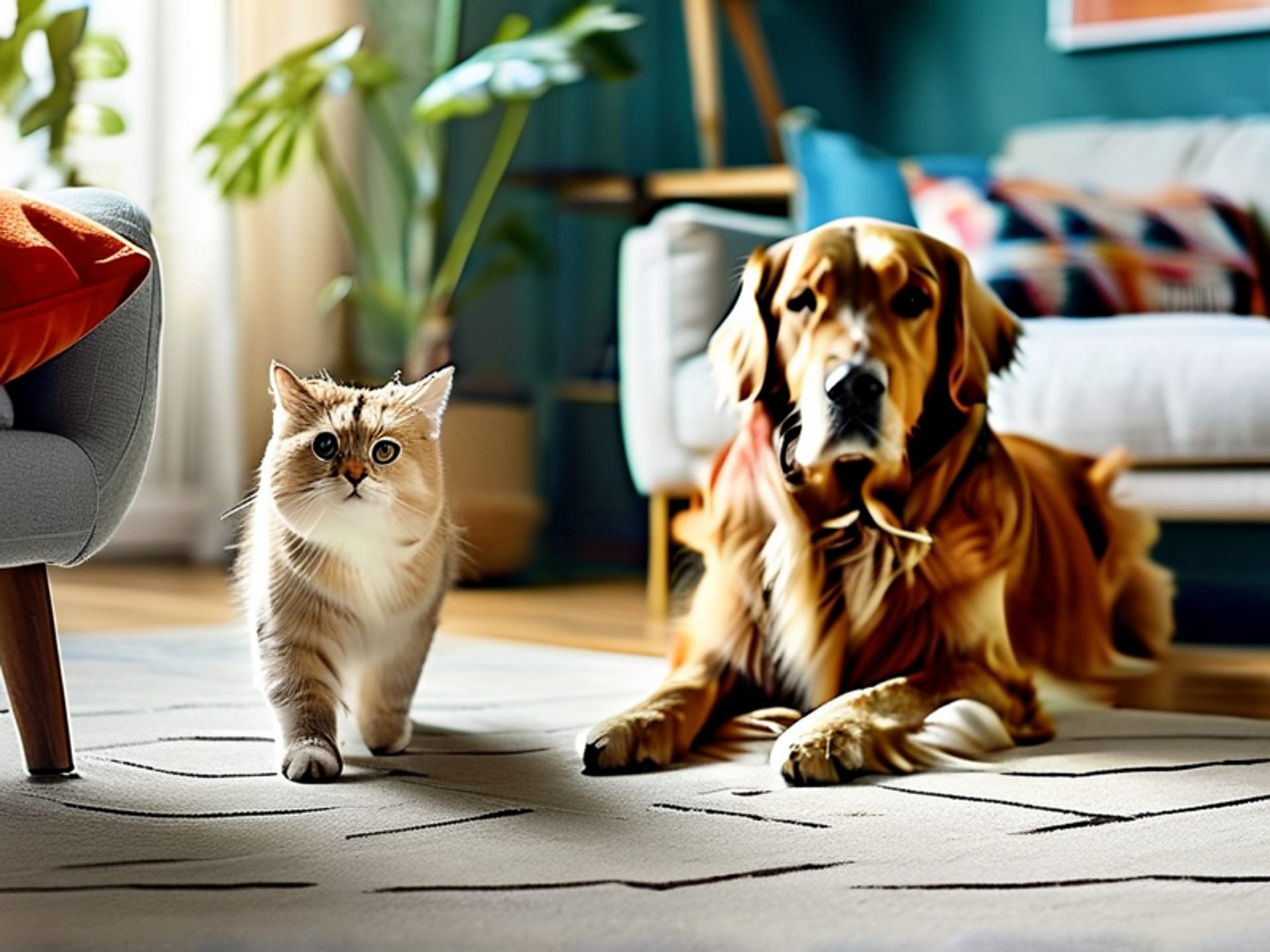
Let's be real. Nothing destroys the vibe on date night faster than a call from the alarm monitoring company. "Sir, we're showing a motion event in your living room." Yes, that's just Whiskers. He's knocking your favorite mug to the floor to protest being alone. Standard cat stuff. This is the classic pet-owner-with-a-security-system conundrum. You want a safe home, but not at the cost of weekly false alarms and hefty fines.
Why Your Old Motion Sensors Are Catastrophic (Literally)
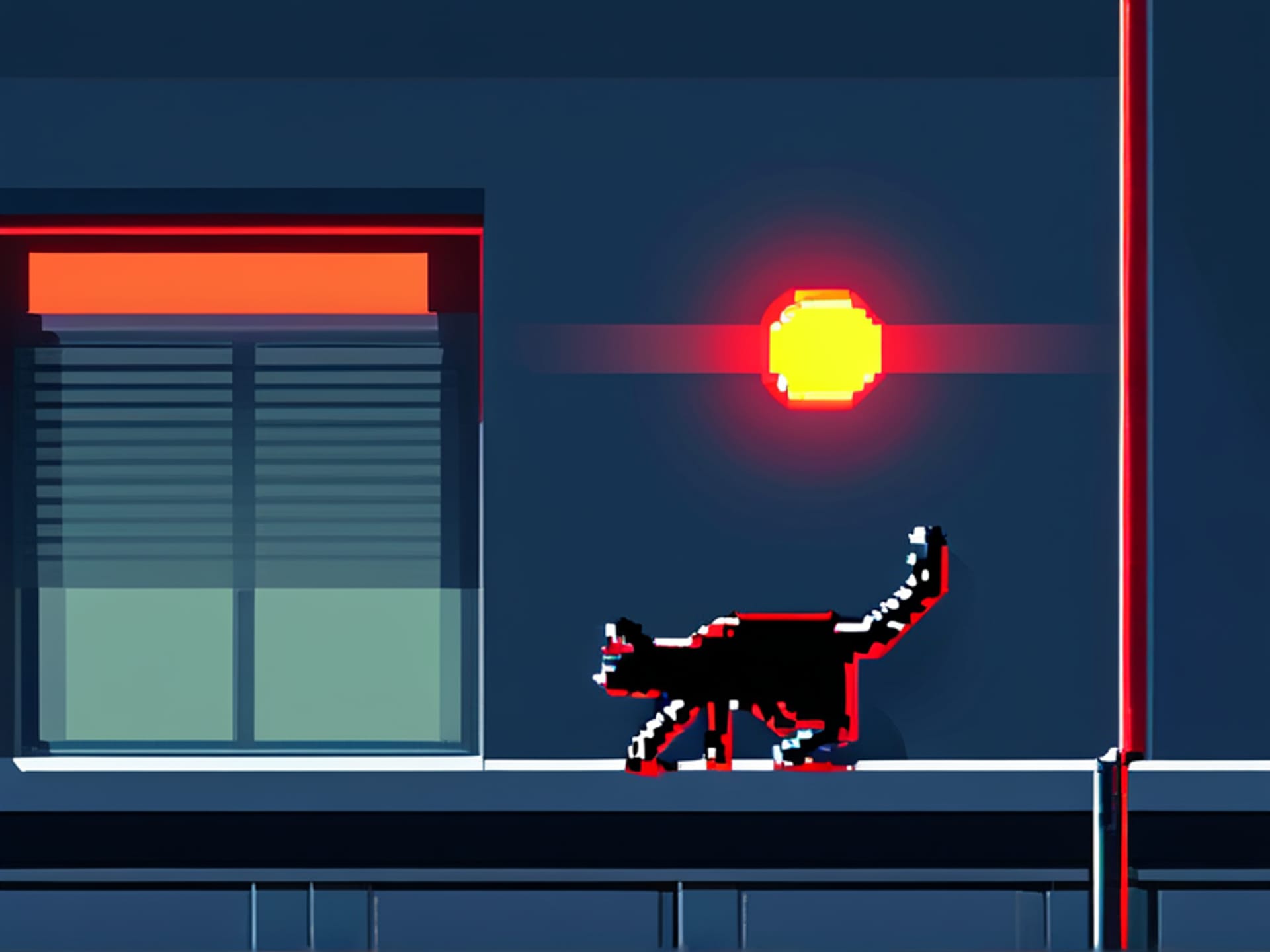
Blame physics. Traditional motion sensors, the PIR kind, are kinda dumb. They don't see a cat or a dog. They see a sudden change in infrared energy. And your 20-pound Lab mix moving creates a bigger heat bloom than a burglar creeping. Pet weight settings are a band-aid. The real solution isn't tweaking sensitivity; it's getting tech that's smarter than your furball. Old tech thinks your cat is an intruder. New tech thinks your intruder is just a very naughty pet.
Pet Immune Tech: What It Actually Means (And Why You Should Care)
Hearing "pet-friendly security" or "pet-immune sensors" gets tossed around a lot. It sounds like magic. It's not. Here's the real deal: it's about using different technology. Think radar. These smart sensors can detect the mass, movement pattern, and heat signature of an object. They build a 3D profile. Small, low-to-the-ground, fast-moving? That's a pet. Large, upright, walking? That's a threat. Look for terms like "Kinetic Pet Immunity" or advanced motion detection with "3D sensing." Ask if it can reliably distinguish a 90lb Great Dane from a person. That's the benchmark.
The Simple Setup You're Probably Missing
Alright, so you've got your smart sensors. Don't just plug them in and pray. You gotta teach them. Most systems have a learning mode or pet-specific setting. For 48 hours, let your pets roam freely with the system armed in "test" or "home" mode. Let the sensors log all their normal chaos—the zoomies, the couch jumps, the 3 AM water bowl investigation. This calibrates the detection profile to your specific furry tornado. Also, and this is key: camera placement is everything. Avoid pointing cameras right at your cat's favorite sunny spot or the dog's bed. Aim at choke points a pet wouldn't normally use, like the staircase landing.
Safety First, Furry Friends Included
Let's flip the script. This isn't just about preventing false alarms. It's about your pet's wellbeing when you're not there. Smart sensors and cameras that ignore pets can also *help* them. Glass break sensors that don't react to a barking dog can still catch a window shattering. You can get alerts for unusual motion patterns that might mean your pet is sick or anxious. You're not just building a fortress; you're creating a responsive, intelligent environment. Peace of mind isn't just about the bad guys being kept out. It's knowing the good guys inside are safe, happy, and not accidentally calling the cavalry.