Forget the Logbook: Your Doctor Sees it in Real-Time Now
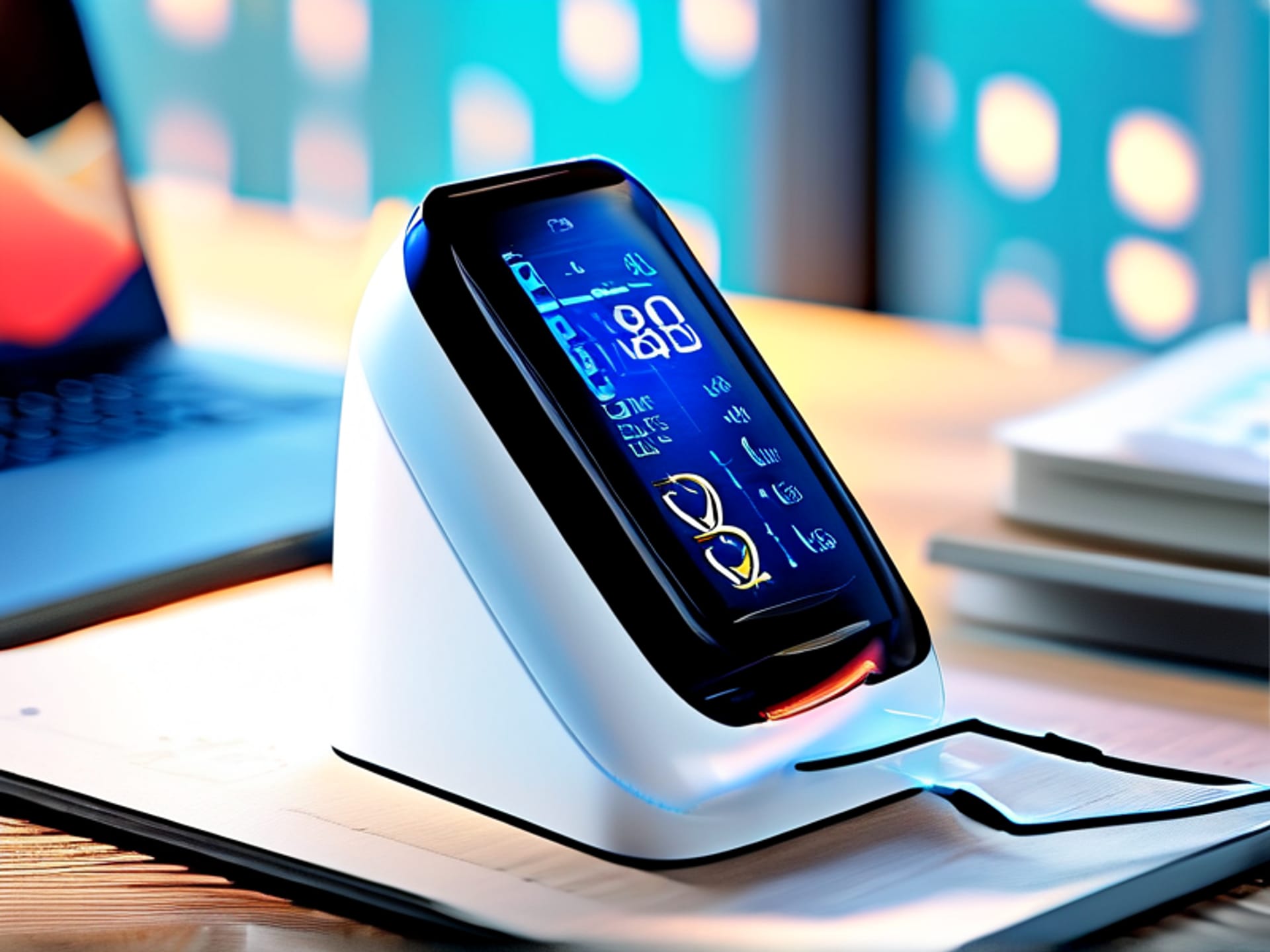
Okay, let's be honest. Managing high blood pressure often feels like a solo, thankless chore. You get a reading, scribble it down (if you remember), then try to recall what a "good" week looked like when you finally see your doctor. It's guesswork. But what if that ritual changed? What if your doctor could see your numbers the moment you take them? That's the real superpower of the new wave of smart blood pressure monitors. They cut out the middleman—your notepad—and send the data straight into your medical file. No more guesstimates. Your care team gets the real picture, instantly.
Stop Playing Detective with Your Own Health
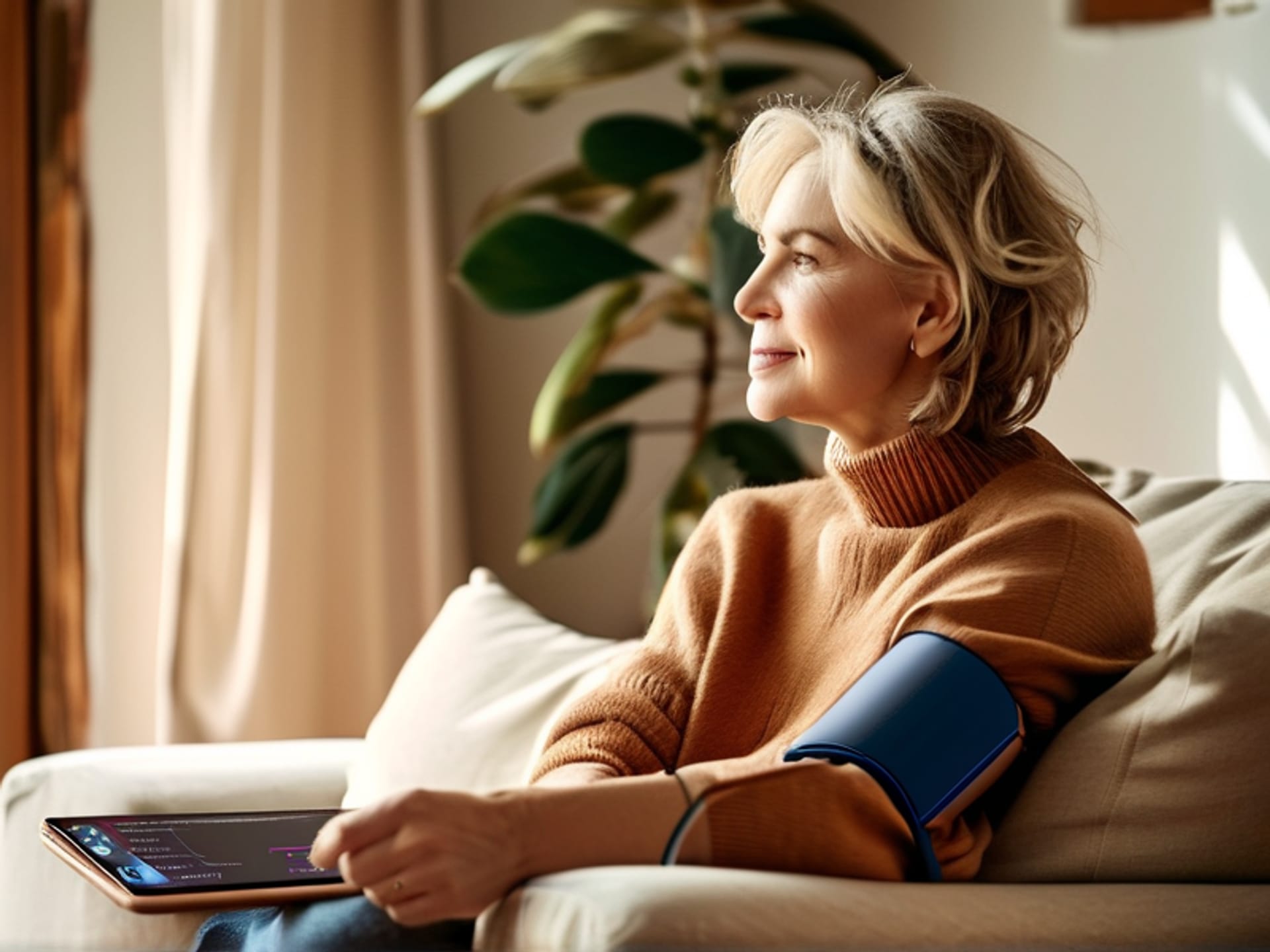
One high reading can freak you out. But is it the monster from the movie or just a weird Tuesday because you had extra coffee? Traditional home monitoring leaves you in the dark, trying to piece together clues. Here's the thing: these connected monitors do the heavy lifting for you. They're not just gadgets; they're quiet, data-collecting geniuses. They track trends, flag patterns (like those post-lunch spikes you never noticed), and log it all. You're no longer a detective sifting through confusing evidence. You're just the person who gets the clear, actionable report.
Your Appointment Starts Way Before You Walk In
Telehealth is great, but it can be awkward if you're just describing numbers from memory. "Uh, it was kinda high last week, I think?" Not exactly clinical precision. With these devices, your appointment effectively starts the moment your doctor reviews your recent data. By the time you hop on that video call, they've already seen the story your numbers tell. The 15-minute chat becomes a strategic discussion. "I see your numbers climbed on Tuesday evenings. What's happening then?" It transforms a generic check-in into a targeted, efficient session. No more wasted time.
Peace of Mind Isn't an App Feature. It's a Side Effect.
This is the part they don't put on the spec sheet, but it's the most valuable. Knowing your health isn't flying solo between appointments. Having a digital safety net that quietly watches for trouble. It's about swapping anxiety for awareness. For your family, maybe it's knowing Dad's numbers are stable without having to nag him. The tech becomes invisible, and what's left is just… breathing easier. Literally and figuratively.
The Hardware is Easy. The Ecosystem is What Matters.
Buying a monitor is simple. But just because it's "Bluetooth" doesn't mean it talks to your doctor's office. This is the crucial detail. You need a device that works with a platform your healthcare provider uses—systems like Apple Health, Google Fit, or specific clinical apps like Blood Pressure Connect or MedM. Don't just buy the shiniest one. Actually, ask your doctor's office: "What systems do you use for remote monitoring?" Get the answer first. Then find a monitor that plugs right into that system. Otherwise, you've just bought a very expensive digital logbook.