The Kitchen Isn't the Enemy. These Gadgets Prove It.

Let's be real. Arthritis, weak grip, shaky hands—it can make cooking feel like a battle. That jar lid becomes a personal nemesis. But here's the thing: you shouldn't have to give up a kitchen you love. It's not about frailty; it's about finding better tools. Smarter tools. When people talk about "adaptive cooking tools," they're really talking about getting your life back. There are gadgets out there designed to let you chop, stir, pour, and bake without pain or frustration. They're not complicated, they're just thoughtful. And they make all the difference.
Your Hands Deserve a Break
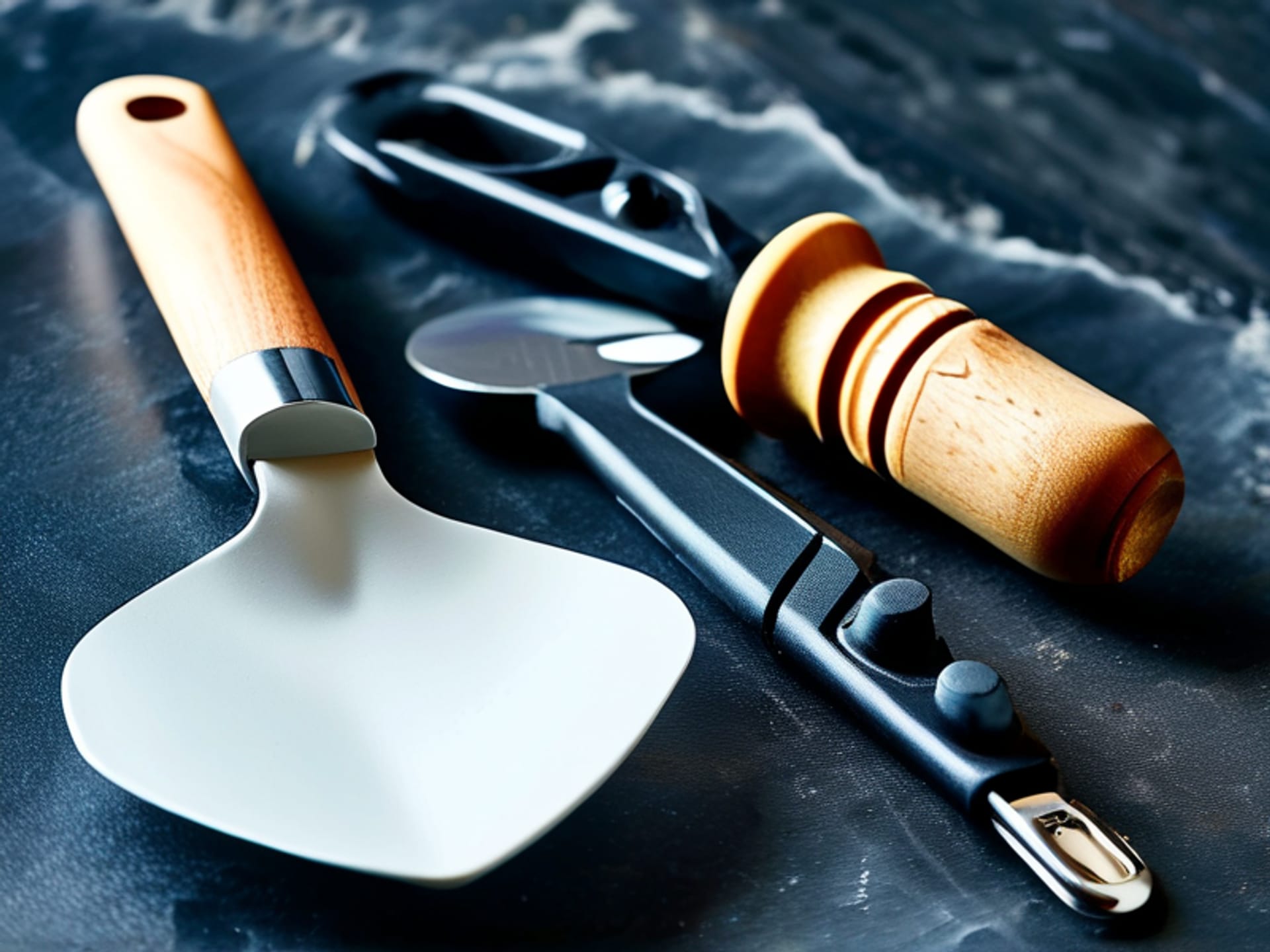
Forget those skinny, slippery knife handles. They're a joke. You need grips built for you. Look for tools with thick, soft, cushioned foam handles. The kind you can wrap your whole hand around. They take the pressure off your joints. Lever-style jar openers that clamp onto the lid? Genius. They use physics to do the heavy gripping for you. Easy-open appliances aren't a luxury; they're a basic standard of kitchen safety. Think kettles with easy-pour spouts, rocker knives that do the cutting with a simple press, and can openers that do the work automatically. Life-changing.
Just Tell Your Kitchen What to Do
Here's where technology gets good. The voice-controlled oven. I know, it sounds like sci-fi. But telling your oven to "preheat to 375 degrees" or "set a timer for 20 minutes" when your hands are full or hurting? That's pure freedom. No more fiddling with tiny buttons or tricky dials. It's about reducing the number of small, painful actions in your day. Same goes for voice assistants that can read recipes out loud or set multiple timers just by asking. This isn't about being lazy. It's about energy conservation. Save your strength for the fun part: creating something delicious.
Let's Get Tactical: Must-Haves for Independence
Okay, so what should you actually buy? Start with the pain points. Ditch the manual can opener for an electric one. Get a food mill or ricer for mashing potatoes—way easier than a masher. Invest in a really good, lightweight non-slip bowl. Look for "one-touch" lid stoppers that let you seal containers with a simple press. And for Pete's sake, get a reacher/grabber tool to keep on the counter. Need that spice jar on the top shelf? Grab it. Accidentally drop a spoon? Grab it. This is independence in the kitchen, built one simple tool at a time. You're not adapting yourself to the kitchen; you're adapting the kitchen to you.
Safety First, Fun Always
This is the non-negotiable part. Good tools make you safer. That heavy cast iron pot? Beautiful, but dangerous if you can't lift it. Switch to lighter, high-quality stainless steel. Use a sturdy stool to sit while you prep. Install task lighting so you can see clearly. A kettle with an auto-shutoff prevents boiling dry. A rollator or walker with a tray? That's not just mobility; it's a portable kitchen helper to carry items from the fridge to the counter. True kitchen safety comes from removing obstacles before they become hazards. It's about confidence.
Wrapping Up (Without Saying "In Conclusion")
Cooking is creativity. It's self-care. It's independence. Don't let stiff joints or weak hands steal that from you. The right gadget is just a tool, but it's a tool that gives you back control. Start with one thing that fixes your biggest daily hassle. See how it feels. You might just find yourself back in the kitchen, whipping up your favorite meal, remembering why you loved it in the first place.