Don't Get Caught in the Dark: A Seniors' Guide to Modern Survival Gear
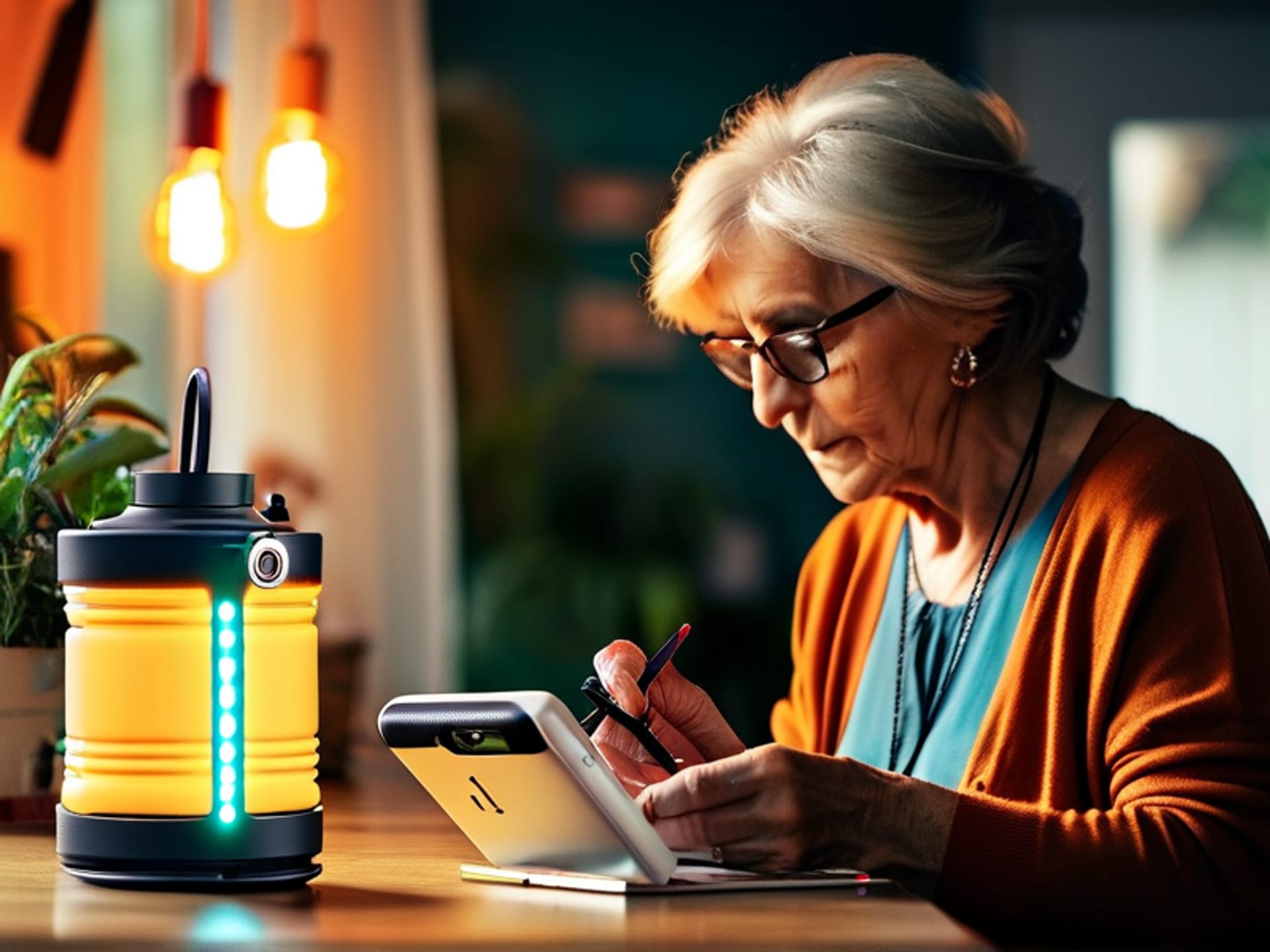
Look, emergencies are bad enough for anyone. But for many seniors, they're an order of magnitude scarier. A power outage isn't just a dim room; it's a lifeline cut for oxygen machines, CPAPs, and medication fridges. A fall isn't just a bump; it could be hours before anyone knows. The old-school advice of "canned food and a flashlight" just doesn't cut it anymore. We need to talk about the smart stuff, the tech that doesn't just help you survive, but helps you stay safe and in control. Here's what actually matters.
Your Lifeline Needs a Lifeline: Backup Power is Non-Negotiable
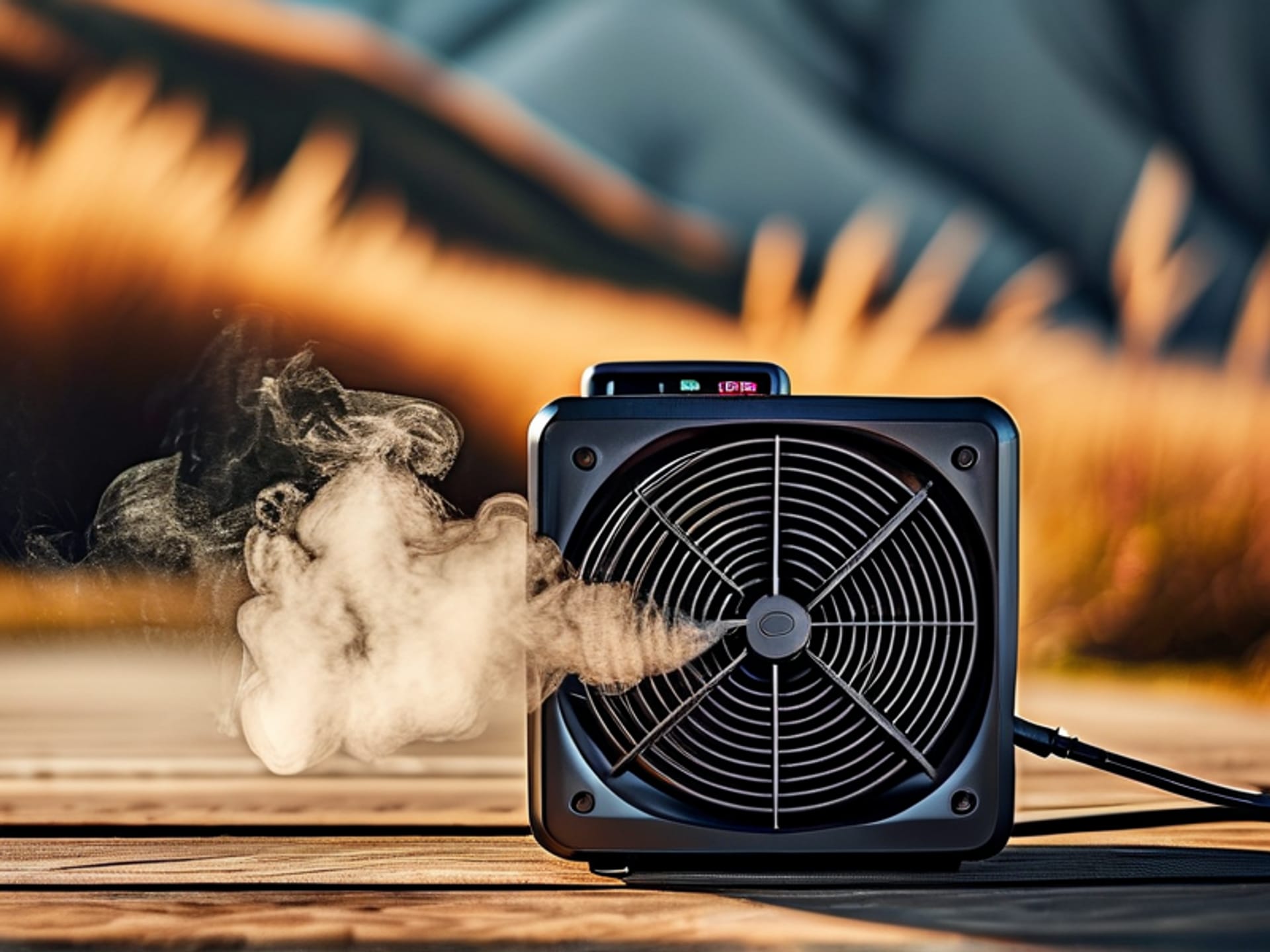
If you rely on any kind of medical device, this is the first thing you buy. Forget those tiny phone power banks. We're talking about a serious power station. They're about the size of a small toolbox, silently hold a charge for months, and can run a CPAP for a weekend or keep a fridge full of insulin cold. They're quiet, have no fumes, and plug in right next to your bed. It's not a gadget. It's a safety net for your most critical equipment. Honestly, it's more important than bottled water.
Light That Actually Works for You
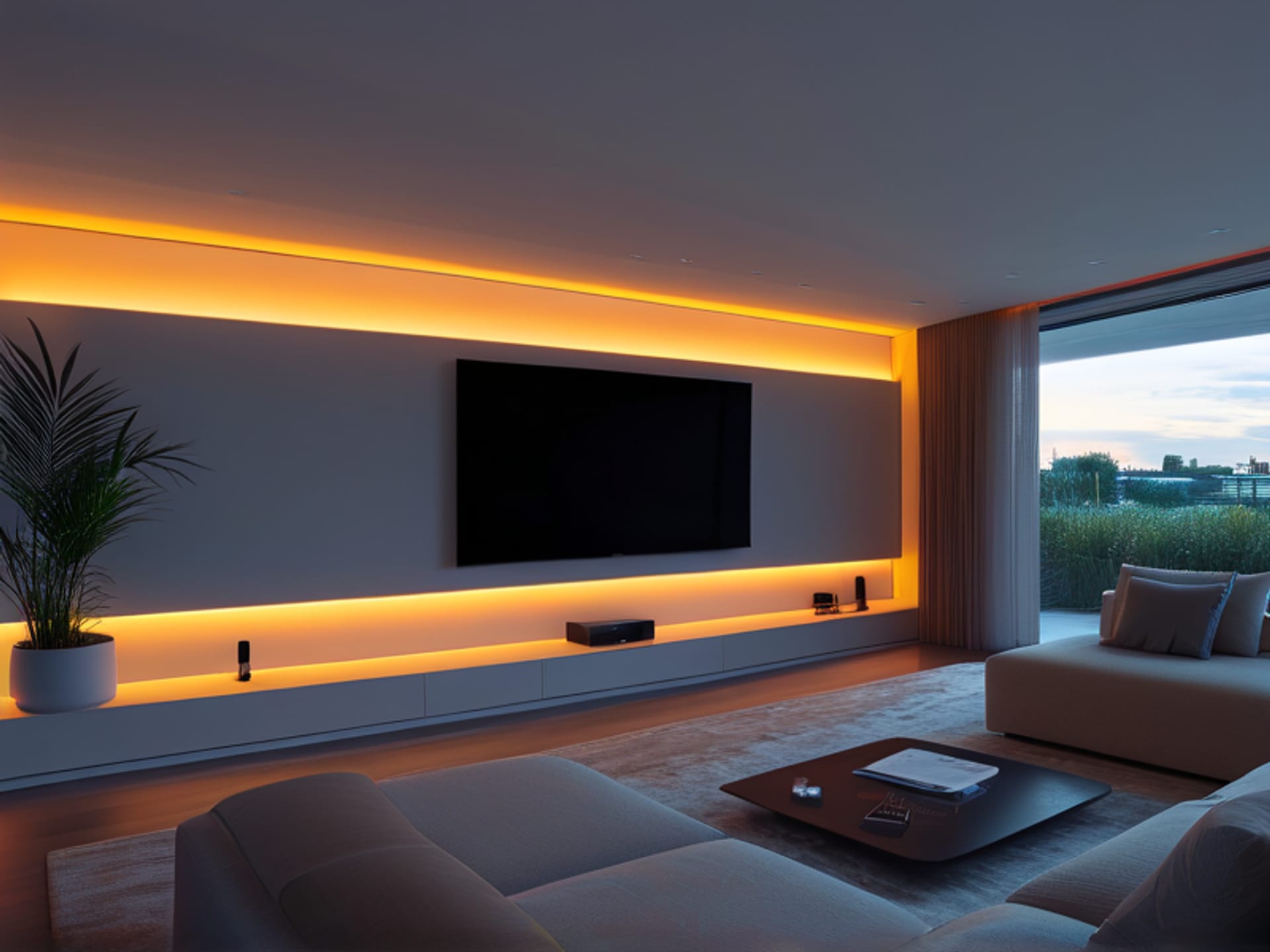
Fumbling for a flashlight in the dark is a recipe for disaster. Modern emergency lighting is about being hands-free and automatic. We're talking about motion-sensor LED light strips you stick to baseboards or under cabinets. They guide you to the bathroom without tripping. It shows a clear, wide path of light illuminating from a motion-activated, hands-free LED light strip adhered to the baseboard. Moody, high contrast.">
Candles? Fire hazard. A single flashlight you have to fumble for? Useless if you fall. Modern emergency lighting is about being automatic and everywhere. Think motion-activated LED strips you stick to the wall leading to the bathroom. Or a lantern that turns itself on when the power cuts out. Get lights that recharge via USB from your power station. The goal is to turn potential panic into a simple, illuminated path. Your eyes aren't what they used to be; your lights should be smarter.
First-Aid 2.0: Band-Aids and a Bit of Genius
A box of plasters is fine for a scraped knee. For a real emergency, you need tech-augmented help. The most important item? Your smartphone, loaded with a solid first-aid app that works offline. Videos and diagrams are easier to follow than a paperback manual when you're stressed. Then, add a smart thermometer that logs readings. Maybe even one of those pulse oximeters that clips on your finger—peace of mind is a powerful medicine. And for heaven's sake, a loud, simple personal alarm to call for help if you're alone.
The Gadget That Trumps All Gadgets: Getting Help
Here's the thing. All the gear in the world is pointless if you can't call for help when you need it. For many, a standard cell phone in a crisis is too complicated. Consider a dedicated emergency phone—the kind with huge buttons, a loud speaker, and a one-touch 911 button. Pre-program it with family numbers. Pair it with a basic, hand-crank emergency radio that can get weather alerts when the internet is dead. This isn't about being paranoid. It's about having a direct line to the outside world when everything else fails. That confidence changes everything.