Your Couch, a Waiting Room? Let's Fix That.

Let's be real. The idea of a virtual doctor's visit sounded great. No traffic, no germy waiting room magazines, no pants required. But then you connected, and it was a pixelated nightmare. Your doctor was looking down your nostrils while you fumbled with the volume. Not exactly confidence-inspiring. It doesn't have to be this way. A few simple tweaks can turn your living room into a telehealth suite that would make any clinic jealous. Ready to get it right? Let's start with the basics.
The Tech Trio You Actually Need (No, It's Not Complicated)
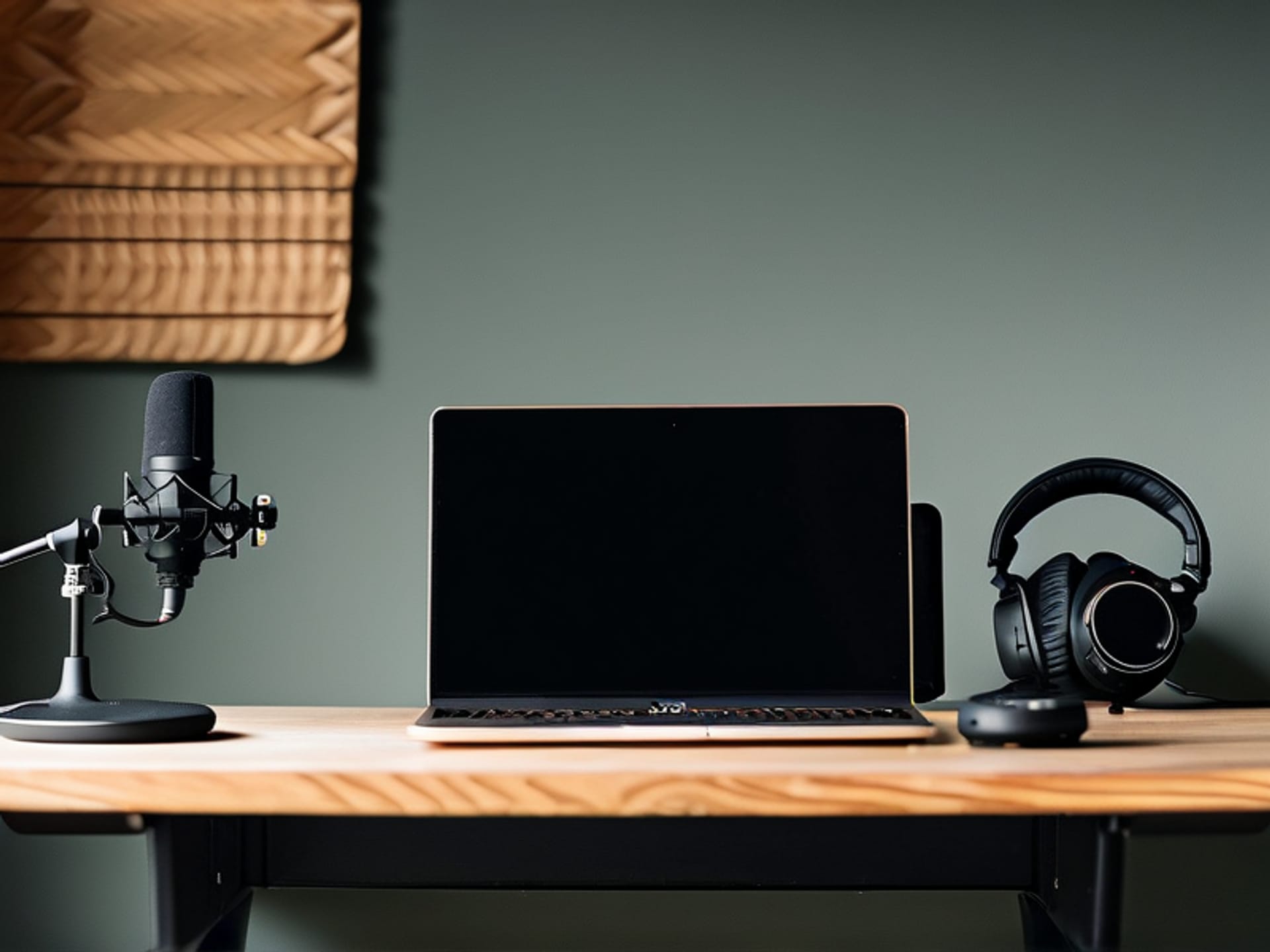
Forget the gadget rabbit hole. You need three things, full stop. A decent camera, a good microphone, and headphones. Your laptop's built-in stuff? It's trash for this. It picks up every keyboard click and fan whir. Get an external webcam. Even a basic 1080p one is a massive upgrade. For sound, use earbuds with a mic or a headset. Your doctor needs to hear your symptoms, not your neighbor's lawnmower. This isn't rocket science, but skipping it is the number one reason appointments go sideways.
Lighting: You're Not a Detective in a Film Noir
Here's a universal truth: overhead lights are the enemy. They cast harsh shadows that make you look tired, sick, or like you're being interrogated. The goal is soft, even light on your face. The easiest win? Sit facing a window. Natural light is your best friend. No window? Get a cheap ring light or a small desk lamp and point it at the wall in front of you to bounce soft light back. Your doctor needs to see you clearly—your skin tone, your eyes. Good lighting isn't vanity; it's clinical. You wouldn't show up to an in-person visit in a dark closet. Don't do it virtually.
Claim Your Corner of Quiet
Privacy matters. A lot. This is a medical appointment. You need to be able to speak freely about your health without your roommate, partner, or kids overhearing. Close the door. Put a sign on it if you have to. Find a spot where you won't be interrupted. This also means silencing notifications on your computer and phone. That "ding" from a text is distracting for everyone. And for the love of all that is good, if you can't find a quiet spot, use a white noise machine or a fan outside the door. Create your own cone of silence. Your future self, discussing that weird rash, will thank you.
When Tech Fights Back (And How to Win)
It's going to happen. The app won't load. The audio cuts out. The screen freezes. Panic is the wrong move. Instead, be prepared. Log in to the telehealth platform 10-15 minutes early. This is your buffer. If something's broken, you have time to fix it. Have the clinic's phone number handy—not buried in an email, but on a sticky note next to you. Most tech issues are solvable in five minutes if you don't wait until the exact appointment time to discover them. Think of it as arriving early to find parking. It's not extra work; it's the smart part of the work.
The Secret Skill No One Talks About
All this tech assumes one thing: you're comfortable with it. And that's not a given. Digital literacy isn't about being a programmer. It's about knowing how to join a call, share your screen if needed, and mute yourself. If this feels daunting, practice. Call a friend on the same platform you'll use for the doctor. Click all the buttons. Get familiar. Ask a family member for a five-minute lesson. There's zero shame in it. Being confident with the tool means you can focus on what actually matters: the conversation with your doctor.
Look, setting this up right takes maybe an hour of your life, total. But it transforms the experience from a frustrating tech demo into actual healthcare. You get better care when your doctor can see and hear you properly. You feel more at ease when you're not worried about who's listening. So ditch the couch chaos. Build your corner. Hit that "Join Call" button with confidence.