Your House Should Be On Your Side

Let's be real. Getting older comes with a list of challenges nobody really enjoys talking about. The world loves to focus on the physical stuff—the creaky knees, the hearing aids. But the mental toll? That quiet, creeping feeling of losing control, of being a burden, of just... slowing down? We brush past that. And that's a huge mistake. Here's the thing: your home shouldn't be another hurdle. It should be your ally. It can be. This isn't about turning Grandma's place into a spaceship. It's about using smart tech to quietly, intelligently fight back against isolation, anxiety, and that fog of depression that can settle in.
Daily Victories, Not Daily Burdens
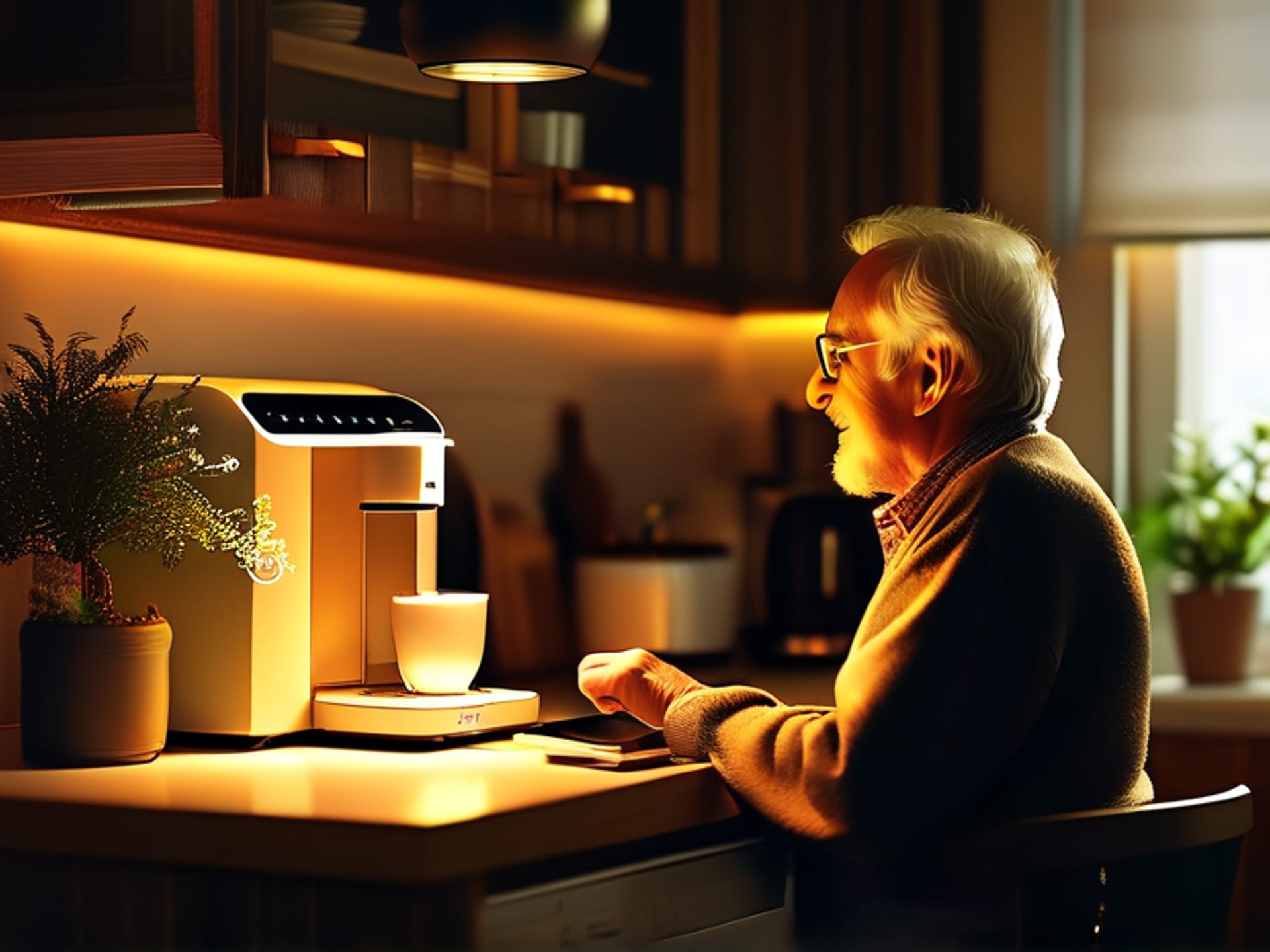
Depression often wins in the small moments. The moment you realize you have to get out of your cozy chair to turn off the light. When you fumble for the thermostat. That tiny spark of annoyance when you can't find the TV remote.
Smart tech eliminates a dozen of these micro-frustrations a day. A voice command to dim the lights. An automated "Good Morning" scene that turns on the lamp, starts the coffee, and reads the weather. It's not laziness. It's conservation. Conserving energy—both physical and mental—for the stuff that actually brings joy. Every time your house listens and helps, it's a tiny win. And tiny wins add up to a much better mood.
Forget Forgetfulness. Seriously.
The anxiety of forgetting is a real weight. "Did I take my pills?" "Did I lock the door?" "Is the stove off?" That nagging feeling can ruin an entire afternoon.
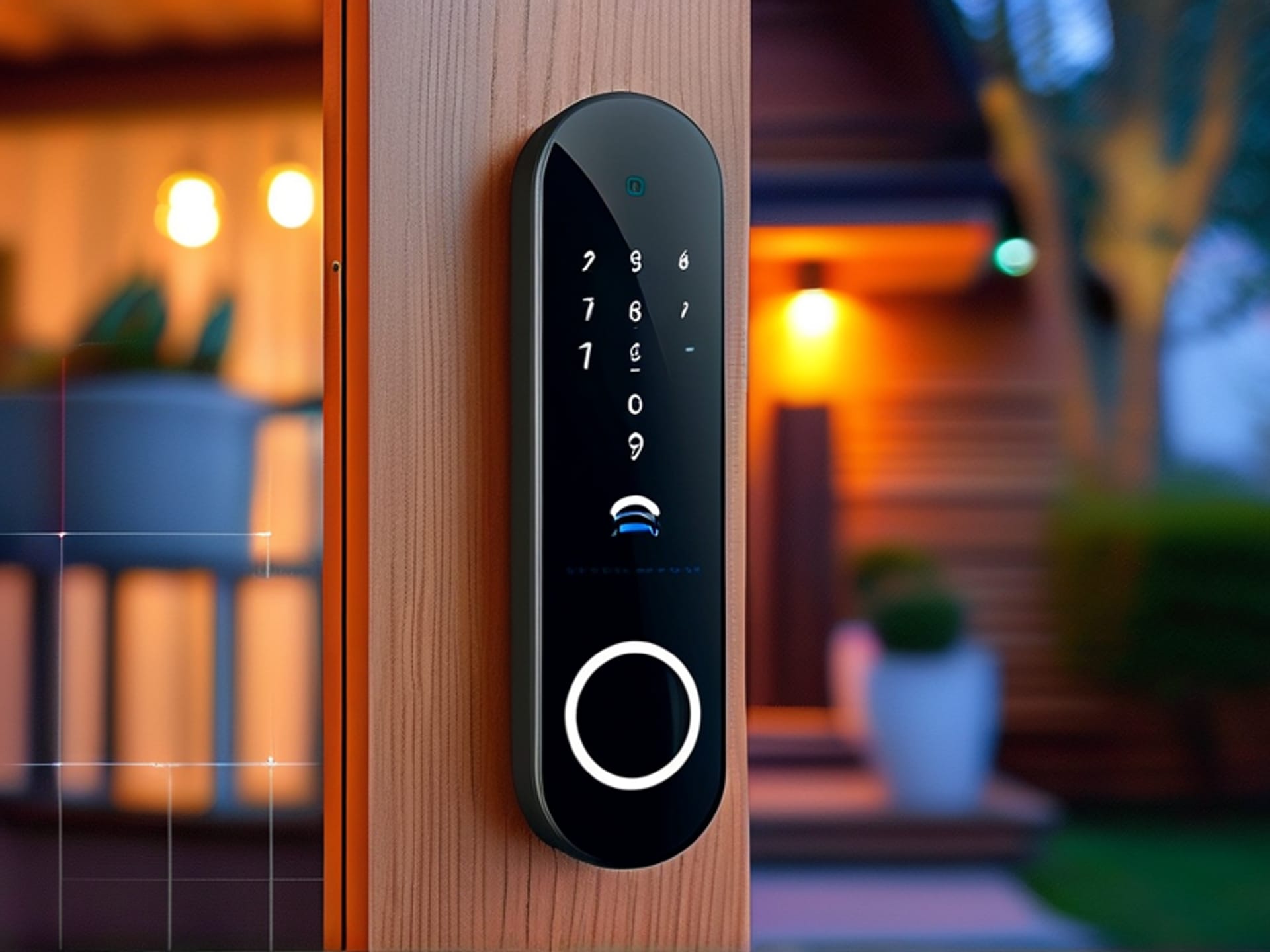
Smart home routines deal with this. Automated pill dispensers with alarms and logs. Contact sensors on doors and windows that send a "Front Door Locked ✅" notification to your phone. Smart plugs that cut power to the coffee maker at 10 AM. It's not just convenient. It's peace of mind. It’s your house quietly saying, "I've got this one. You can relax." That's a direct attack on anxiety.
Bridging the Loneliness Gap
Loneliness isn't just sadness. It's a health crisis. But telling someone to "be more social" is useless advice when getting out is hard.
Smart displays are the unsung hero here. With a simple voice command: "Hey Google, call my daughter." Boom. Face-to-face connection without fumbling with a smartphone. Grandkids can pop in digitally to show a drawing. Friends can have a "coffee chat" from across town. It’s frictionless connection. It lowers the barrier so much that a quick check-in becomes normal, not an event. This tech doesn't replace human touch, but it damn sure makes the space between visits feel a lot smaller.
Control Is a Powerful Antidepressant
Losing autonomy is corrosive to your sense of self. When you have to ask for help to do basic things, it chips away at you.
Smart home tech gives control back. You adjust the temperature. You control the music. You answer the front door without getting up. You decide when the lights come on. This isn't about fancy gadgets. It's about agency. It's about making your own choices in your own space. That feeling of "I'm still running the show here"? That's purpose. That fights depression at its root.
Making the Invisible, Visible
The final, subtle power is awareness. For family caregivers, worry is constant. "Is she up and about?" "Has she been unusually still today?"
With permission, simple, privacy-conscious motion sensors can provide a gentle layer of insight. Not surveillance—a rhythm. An app might show a typical pattern of activity. A noticeable change in that pattern can be an early, quiet signal to check in. It turns vague worry into actionable information. It helps families support proactively, not reactively. The home itself becomes a partner in care, quietly watching for those shifts that a daily phone call might miss.