Your Smart Speaker Just Became a Lifeline
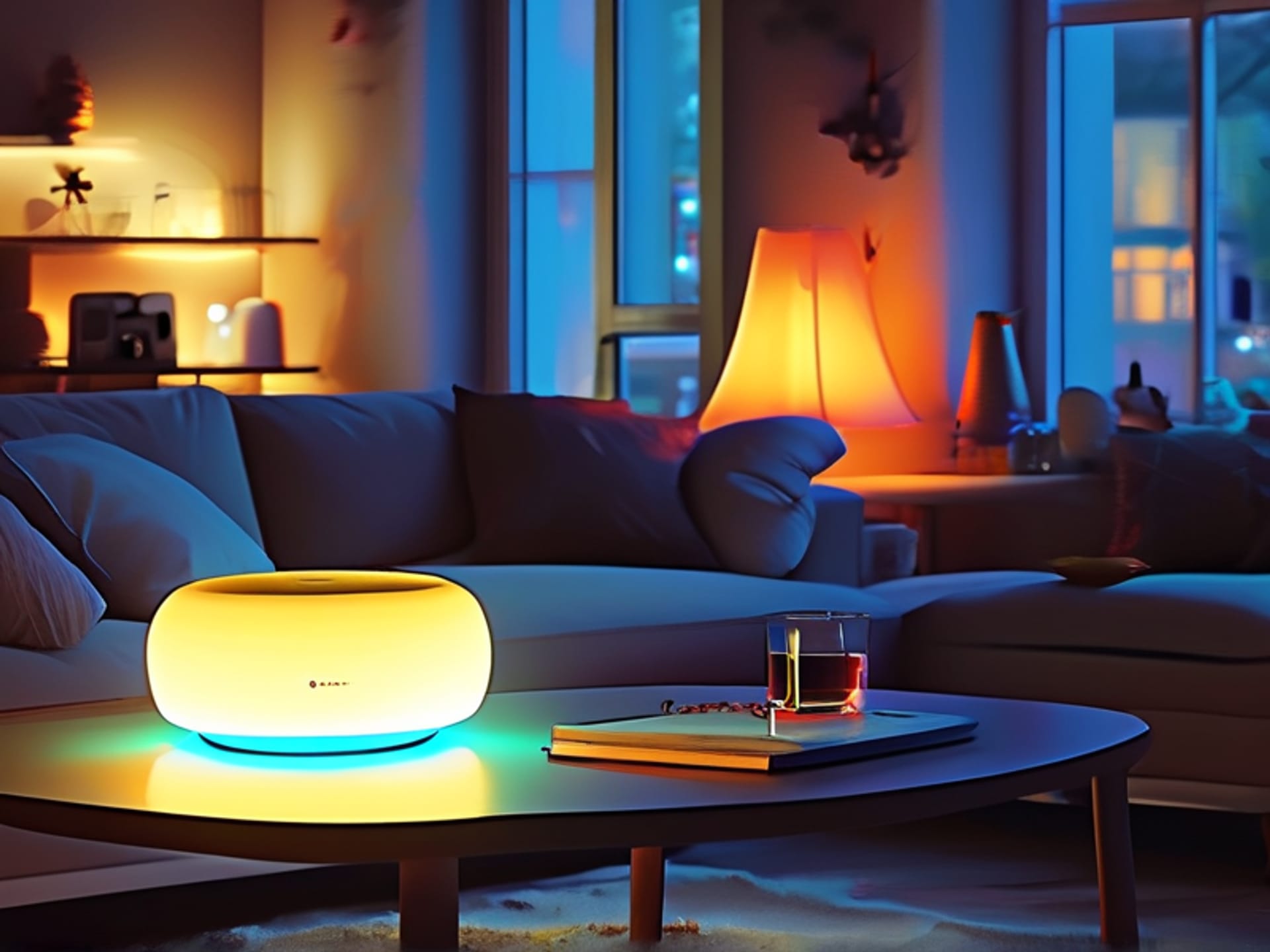
Let's be real. You probably bought that smart speaker to play music and ask about the weather. Maybe to turn off the lights when you're cozy under a blanket. It's a fun gadget. But here's the thing: tucked inside that little cylinder is a feature that can be genuinely life-saving. A voice panic button. No fumbling for your phone. No searching for an app. Just a spoken command when seconds count. It shifts your smart home from a convenience to a security system you actually talk to.
How to Tell Alexa or Google: "I Need Help"
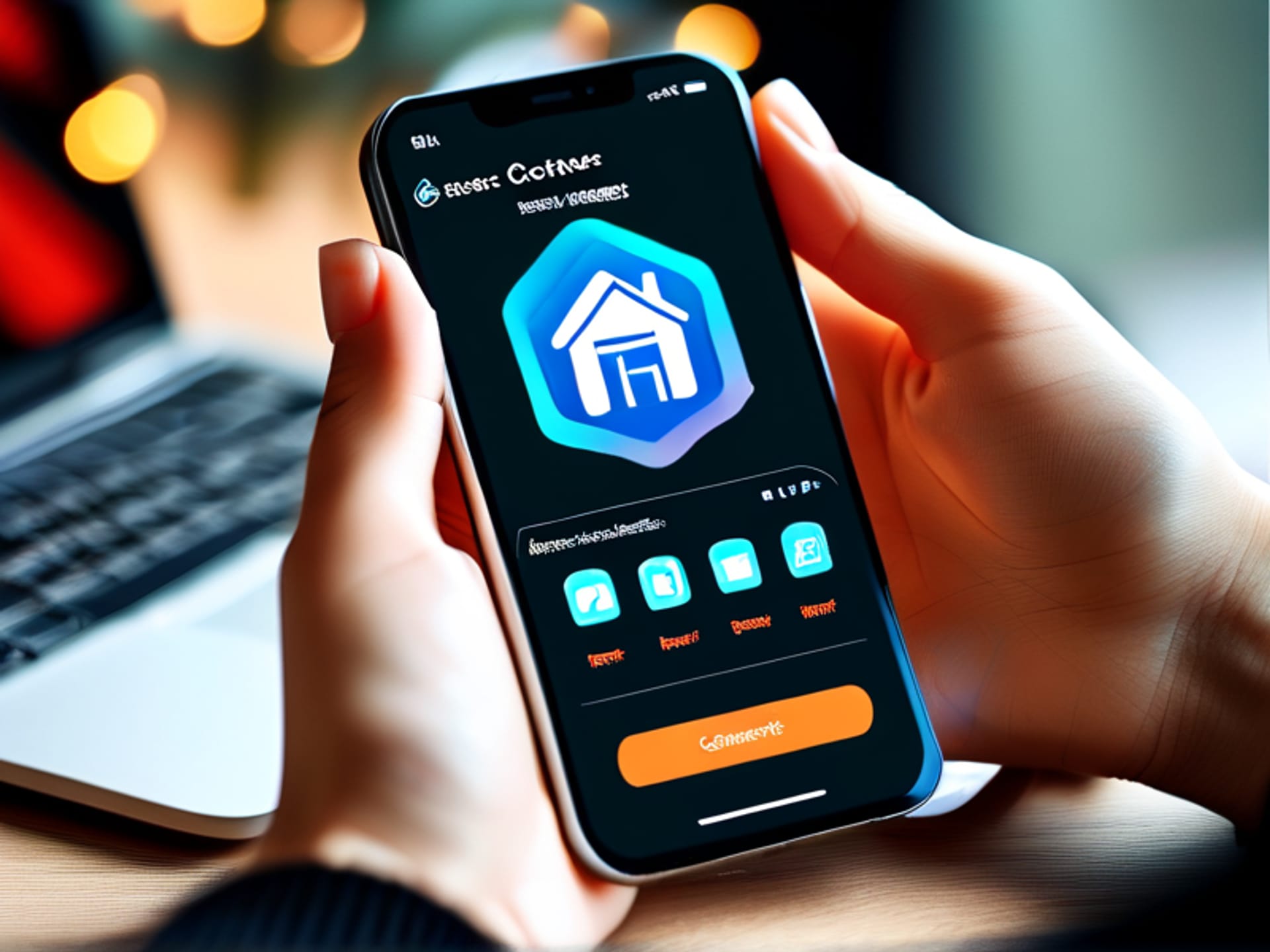
Setting this up isn't rocket science. But you have to do it *before* you need it. That's the non-negotiable part. On Alexa, you dive into the Alexa app, find "Communicate," then "Emergency Contact." You pick someone from your contacts. Google's similar – open the Home app, your profile, "Emergency Sharing." Actually, write down your chosen phrase: "Alexa, call for help" or "Hey Google, emergency call." Drill it into your head. This isn't a casual feature. You're programming an instant-response protocol into your home.
The One Mistake Everyone Makes (And How to Avoid It)
People get this wrong all the time. They set it up, feel good, and then... their phone dies. Or it's in another room charging. The whole system relies on your smartphone to place the call. If your phone is off or out of Wi-Fi range, your shout into the void does nothing. Scary, right? The fix is simple. Keep a cheap, old phone plugged in somewhere central, connected to Wi-Fi and logged into your account. That phone is now your dedicated emergency communicator. It's your backup. Hands-free safety needs a fallback that isn't your hands.
Test It. Seriously, Test It Right Now.
Don't trust the brochure. Test the system. Pick a time, tell your emergency contact it's a drill, and use your command. "Alexa, call for help." Did it ring? Did it connect? Was your location shared? This isn't paranoia. It's practice. You're building muscle memory for a stressful moment. A voice panic button is only as good as your confidence in it. One test run proves it works. It turns an abstract feature into a reliable tool. Do it this weekend.
Beyond the Basic Call: What You're Really Buying
So what's the real value here? It's not just speed. It's accessibility. For someone with mobility issues, or arthritis, or in a moment of genuine shock, pressing a tiny button is hard. Speaking is instinctive. This tech gives power back. It's independence. It's your home listening, ready to connect you to a human voice at the sound of yours. That changes things. It's not a gadget anymore. It's peace of mind that answers when you call its name.