Thai Silk and Textiles: A Buyer's Guide to Authentic Thai Fabrics
I spent an entire afternoon at the Jim Thompson House in Bangkok, running my hands over bolt after bolt of silk, and the weaver watching me finally laughed and said, "You can tell the real thing by how much you want to keep touching it." She was right. Authentic Thai silk has a texture and luminosity that synthetic alternatives cannot replicate, no matter how convincing they look on a hanger. But the Thai textile market is also full of clever imitations, and the price difference between genuine handwoven silk and machine-made polyester is enormous. Here is everything I have learned about navigating this market after shopping for Thai silk across Bangkok, Chiang Mai, and the northeastern Isan region.
Identifying Real vs Synthetic Silk
The burn test is the most reliable method for distinguishing real silk from synthetic fabric, but it is not exactly practical in a shop. Instead, I use three quick checks that have never failed me. First, real Thai silk has a slight irregularity in the weave. Because it is handwoven on a traditional loom, the threads are not perfectly uniform, and you will see tiny variations in the pattern and spacing. Machine-made silk, even high-quality polyester, is perfectly consistent. Second, real silk has a natural luster that shifts color depending on the angle of light. Hold the fabric under a light source and rotate it slightly; genuine silk will change from one shade to another, while synthetic fabric looks flat. Third, real silk wrinkles easily. Scrunch a small section in your hand; if it holds the wrinkles, it is probably silk. If it bounces back smooth, it is synthetic.
The price is also a strong indicator. A meter of genuine handwoven Thai silk costs 800 to 3,000 baht ($22 to $85) depending on the complexity of the pattern and the quality of the thread. Synthetic alternatives start at 100 to 300 baht per meter. If a vendor is selling "100 percent Thai silk" for 200 baht per meter, it is not silk. The Jim Thompson shop in Bangkok sells premium silk at 2,500 to 5,000 baht per meter, which is at the high end but reflects the exceptional quality and the brand's reputation.
Another detail to check is the selvedge edge. Handwoven Thai silk has a slightly rough, uneven selvedge where the weaver has hand-tied the threads. Machine-woven fabric has a perfectly clean, factory-finished edge. This is a subtle distinction but one that becomes obvious once you know to look for it.
Care and Maintenance of Silk
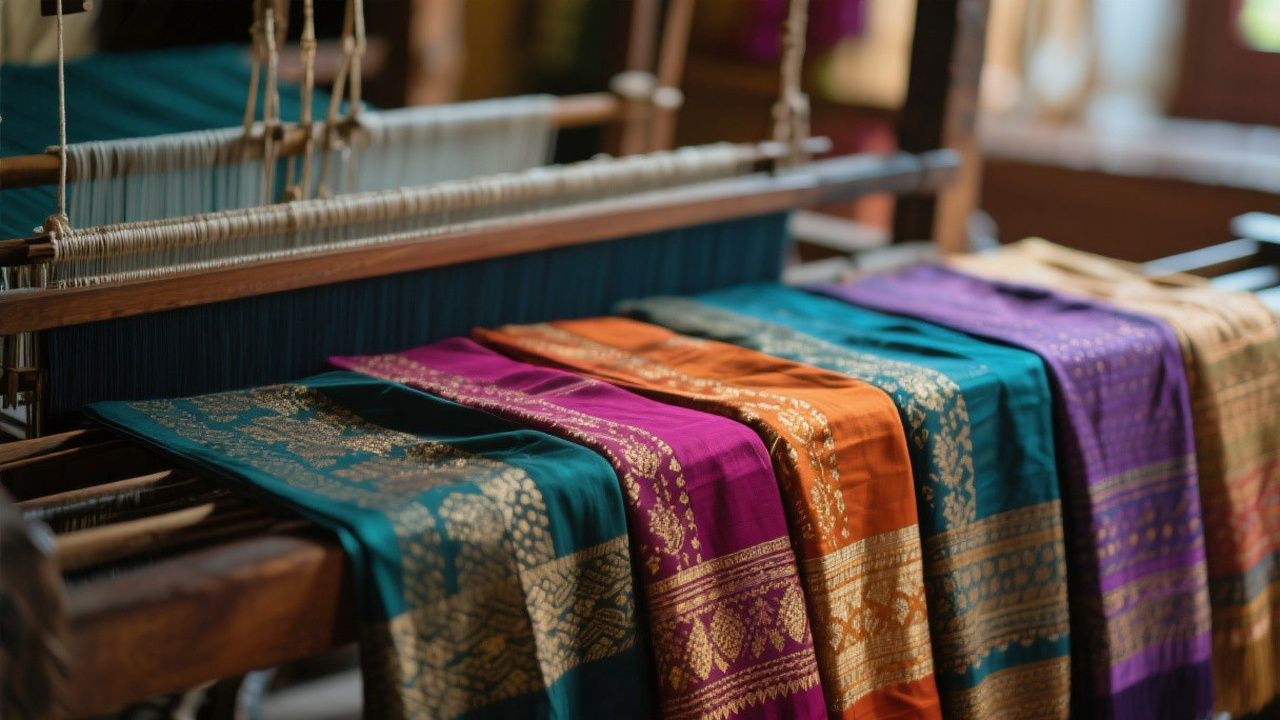
Thai silk is durable but demands proper care, and the number of beautiful silk garments I have seen ruined by careless washing is genuinely disheartening. Hand washing in cold water with a mild detergent like baby shampoo is the safest method. Never use hot water, bleach, or enzyme-based detergents, as these break down the silk fibers. Gently agitate the fabric for two to three minutes, rinse thoroughly in cold water, and roll in a clean towel to remove excess water. Never wring or twist silk, as this distorts the fibers and can cause permanent creasing.
Drying is equally important. Never hang wet silk, as the weight of the water will stretch the fabric. Lay it flat on a clean towel in a shaded area, away from direct sunlight. Sunlight is silk's worst enemy; it causes fading and weakens the fibers over time. Iron silk on the reverse side while it is still slightly damp, using a low heat setting. A pressing cloth between the iron and the silk provides additional protection.
For storage, avoid plastic bags, which trap moisture and can lead to mildew. Wrap silk in clean cotton fabric or acid-free tissue paper and store in a cool, dry place. Cedar blocks or lavender sachets in the storage area help deter moths, which are attracted to natural silk fibers. If you are traveling with silk garments, pack them in tissue paper and place them in the center of your suitcase where they will not be crushed by heavier items.
Fair Trade Textile Shopping
The ethical dimension of textile shopping in Thailand is something more travelers should consider. Many of the cheapest silk products sold in tourist markets are produced in factories with poor working conditions, often using child labor or underpaid workers. Supporting fair trade textile cooperatives ensures that your money goes directly to the artisans and their communities.
The Queen Sirikit Institute of Sericulture in Bangkok is an excellent starting point. This government-supported organization works with silk farmers and weavers across Thailand, providing training, fair wages, and market access. Their shop in Bangkok sells high-quality silk scarves starting at 1,500 baht, silk cushion covers for 800 to 1,200 baht, and raw silk fabric by the meter. Every purchase directly supports the weaving communities.
In Chiang Mai, the Thai Tribal Crafts fair trade shop on Thanon Moon Muang sells textiles from six different hill tribe communities, including Hmong, Akha, and Karen weavers. The products range from embroidered shoulder bags (300 to 800 baht) to full-length tribal skirts (1,500 to 3,000 baht). The quality is exceptional, the prices are fair, and the shop provides detailed information about the community that produced each item. I bought a Hmong batik wall hanging here for 1,200 baht that is now one of my favorite possessions.
Weaving Communities to Visit
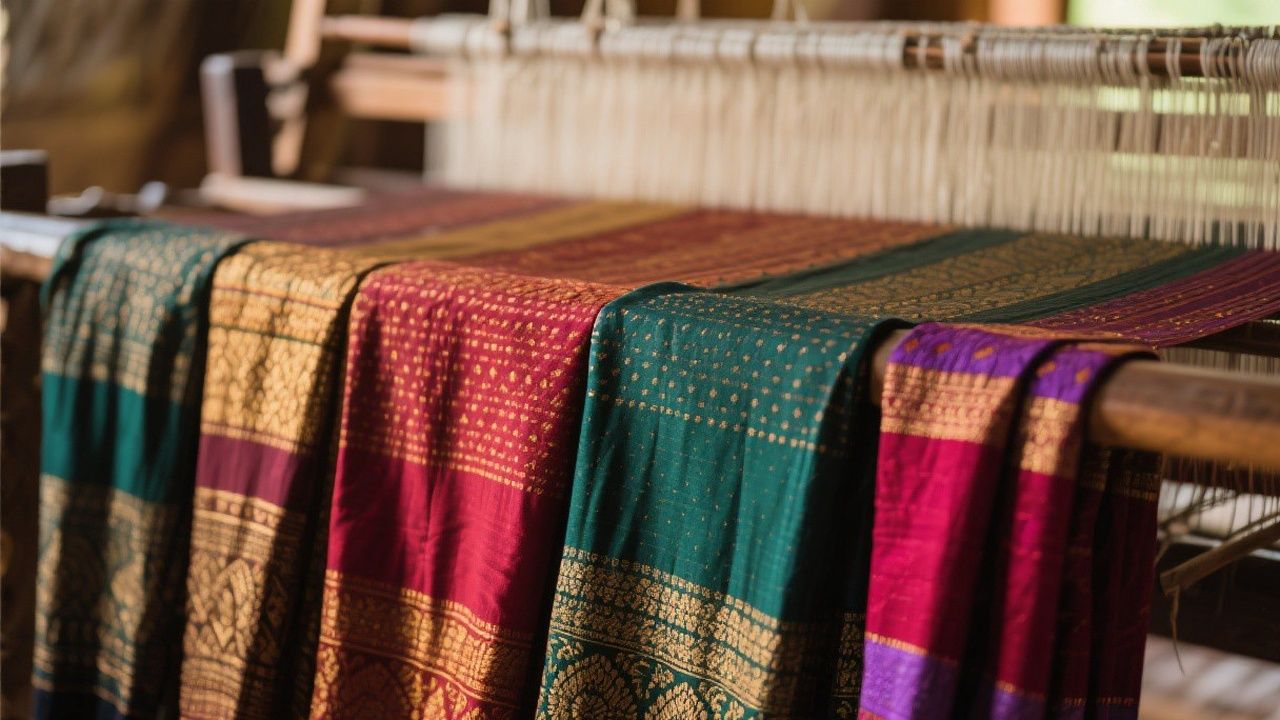
The Isan region in northeastern Thailand is the heartland of Thai silk weaving, and visiting the villages there is a far more rewarding experience than shopping in Bangkok tourist markets. The village of Ban Chok in Surin province has been producing mudmee (ikat) silk for generations, and the weavers welcome visitors to watch the entire process from dyeing to weaving. There is no entrance fee, and you can buy silk directly from the weavers at prices 40 to 60 percent below Bangkok retail. A mudmee silk scarf costs 500 to 1,000 baht here, compared to 1,500 to 3,000 baht in Bangkok.
Koh Samui's Na Muen Si weaving community on the gulf coast is another worthwhile destination. This village specializes in a unique raised-pattern silk technique called ko yo, which creates a textured, almost three-dimensional fabric. The community tourism program includes a weaving demonstration, a chance to try the loom yourself, and a shop selling finished products. A ko yo silk table runner costs about 1,200 baht, and a silk shawl is 800 to 1,500 baht.
In Chiang Mai, the San Kamphaeng road is lined with silk and cotton weaving shops, many of which offer short courses where you can learn basic weaving techniques. The Bosang Village Handicraft Centre offers a two-hour weaving class for 500 baht, and participants take home a small silk piece they wove themselves. It is a meaningful souvenir that carries far more personal significance than anything you could buy in a shop.
Essential Tips to Keep in Mind
- Always ask what percentage of the fabric is silk. Many "Thai silk" products are actually silk-cotton or silk-polyester blends, which are cheaper but less lustrous and less durable.
- Compare prices across multiple shops before buying. The same silk scarf can range from 300 to 3,000 baht depending on the location and the vendor's target customer.
- Request a certificate of authenticity for high-value purchases. Reputable shops like Jim Thompson provide these, and they are useful for customs declarations.
- Visit weaving villages during weekdays if possible. Many artisans work on specific days, and weekends can be crowded with tour groups.
- Budget 2,000 to 5,000 baht for a quality silk scarf or shawl, and 5,000 to 15,000 baht for a silk garment or enough fabric for a custom piece.
Frequently Asked Questions
Is Jim Thompson silk worth the premium price?
For quality, absolutely. Jim Thompson silk is consistently among the finest produced in Thailand, with tight weaves, rich colors, and excellent durability. You are paying for guaranteed authenticity and craftsmanship, not just a brand name.
Can I have silk clothing custom-made in Thailand?
Yes, and it is excellent value. A custom silk shirt or blouse in Bangkok costs 3,000 to 8,000 baht depending on the fabric and tailor. Bring a reference photo and allow three to five days for fitting and completion.
How do I clean a silk tie or silk scarf with food stains?
Take it to a professional dry cleaner who specializes in silk. Home remedies for stain removal on silk are risky and can set the stain permanently. Act quickly, as fresh stains are much easier to remove.
Final Thoughts
Thai silk is one of the world's great textile traditions, and buying it at the source is an experience that combines shopping, cultural education, and personal connection. Skip the tourist markets with their suspiciously cheap "silk," visit the weaving villages, and invest in pieces that will last a lifetime. A genuine Thai silk scarf from a village weaver in Isan costs less than a mass-produced scarf from a department store at home, and the difference in quality, beauty, and story is immeasurable.