The Best Floating Markets and Waterfront Stays in Bangkok
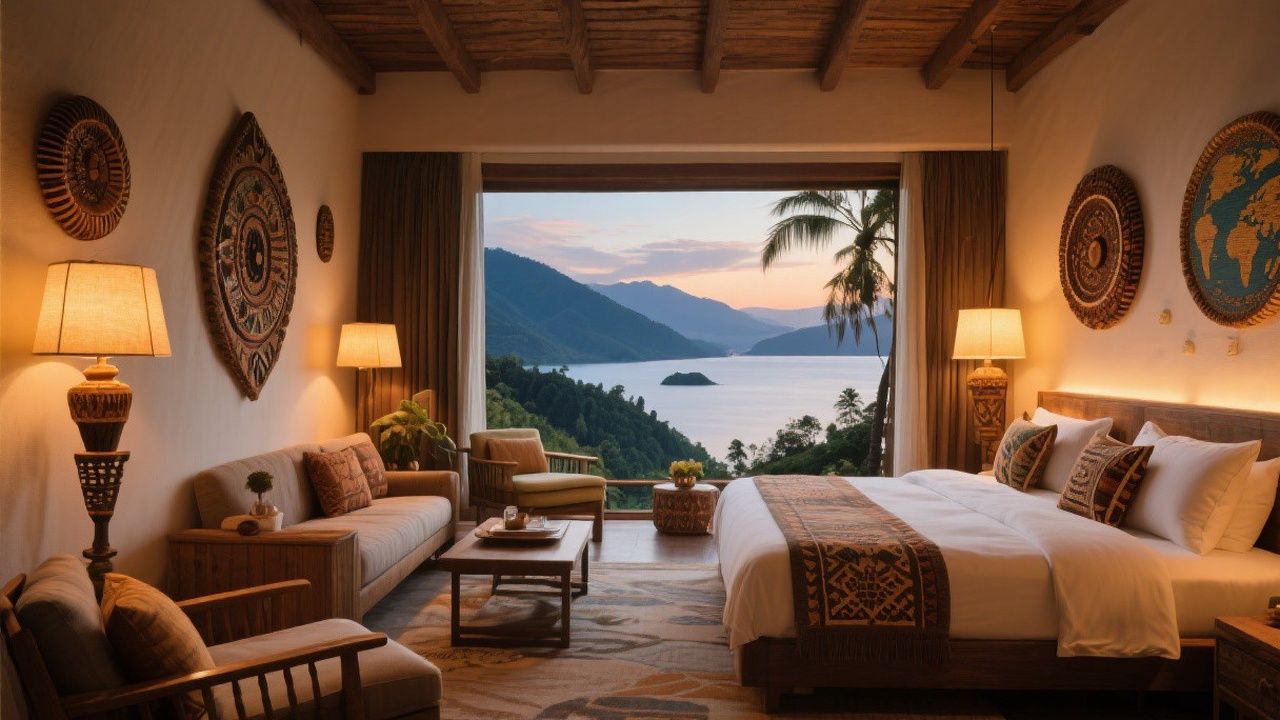
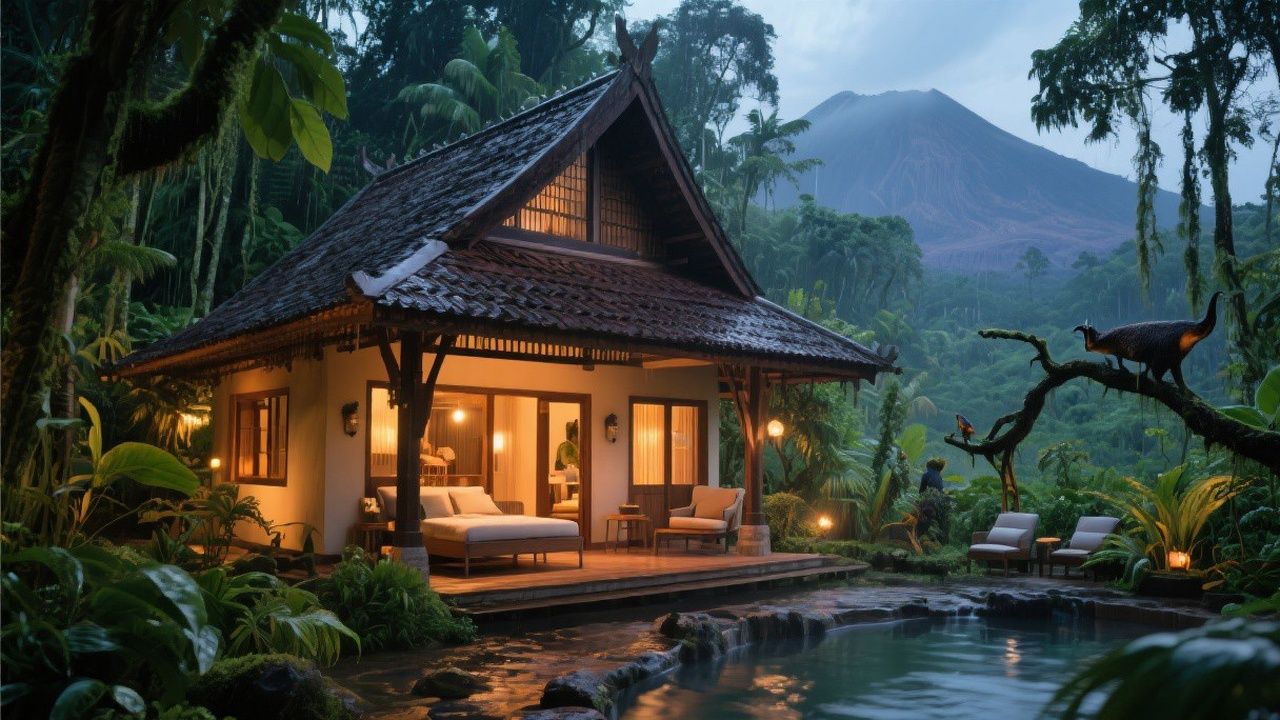
I have visited Bangkok more than 20 times over the past decade, and I keep coming back for the same reason: the Chao Phraya River. While most tourists cram into Khao San Road guesthouses or Sukhumvit high-rises, the real magic of this city unfolds along its waterways. Bangkok waterfront accommodation gives you a completely different perspective on the metropolis. You wake up to longtail boats humming past your window, monks collecting alms from riverside temples at dawn, and the smell of charcoal-grilled seafood drifting up from boats below.
Floating Market Visit Timing
Timing is everything when it comes to Bangkok's floating markets. The most famous market, Damnoen Saduak in Ratchaburi Province, is roughly 80 kilometers southwest of central Bangkok and requires a very early start. The sweet spot is arriving between 6:30 and 7:00 a.m. The market is fully operational by 6 a.m., and by 10 a.m. it turns into a tourist circus with longtail boat traffic jams and inflated prices. Hiring a private driver from Bangkok costs about 2,500 to 3,000 THB round trip, and most hotels can arrange this the night before.
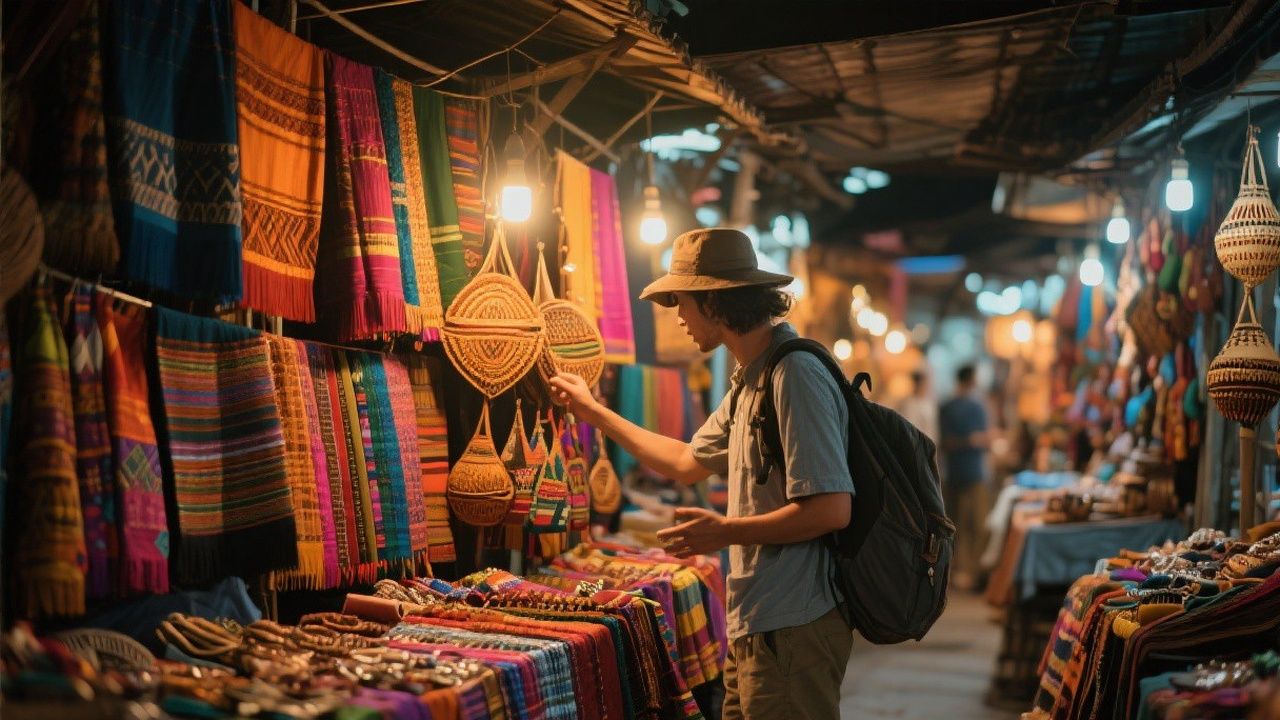
For something closer to the city, Khlong Lat Mayom Floating Market in Taling Chan opens at 9 a.m. on weekends and is only a 30-minute taxi ride from central Bangkok. This market feels more like a neighborhood gathering than a tourist attraction. Vendors sell homemade curry pastes, fresh coconut pancakes, and grilled river prawns from wooden boats moored along a narrow canal. I had the best pad thai of my life here for 60 THB, served on a banana leaf from a woman who has been cooking at this market for 30 years.
Taling Chan Floating Market operates on weekends from 8:30 a.m. to around 5 p.m. but is best visited before noon. What makes Taling Chan special is that you can combine your market visit with a canal tour on a longtail boat. A one-hour boat ride costs about 600 THB per boat, and you will pass stilt houses, fruit orchards, and small temples that most visitors never see.
Bangkok Riverside Dining
The riverside dining scene in Bangkok is extraordinary, and staying at a waterfront property puts you within walking distance of some of the city's best restaurants. The Deck by Arun Residence, located directly across from Wat Arun, serves one of the most photogenic meals in Bangkok. Their signature river prawn tom yum costs 680 THB, and the view of the Temple of Dawn illuminated at sunset is worth the price alone. I recommend booking a table on the terrace at least two days in advance.
Supanniga Eating Room, with its riverfront branch on Charoen Krung Road, offers refined Thai cuisine in a stylish setting. Their crab meat yellow curry at 420 THB and the grilled pork neck with spicy dipping sauce at 280 THB are consistently excellent. A full dinner with drinks for two runs about 2,000 to 2,500 THB. For a more casual experience, the area around Wang Lang Market near Siriraj Hospital is packed with riverside street food stalls. You can feast on boat noodles for 15 THB per bowl and mango sticky rice for 40 THB.
Combining Markets with Stays
The smartest way to experience Bangkok's floating markets is to book a hotel that organizes market tours as part of its guest experience. The Peninsula Bangkok offers a private longtail boat tour to Taling Chan Floating Market for guests at approximately 4,500 THB for two people, including a guide and hotel transfers. Room rates at the Peninsula start around 12,000 THB per night. If the Peninsula is beyond your budget, the Bangkok Marriott Marquis Queen's Park offers floating market packages starting around 5,500 THB per night that include a half-day Damnoen Saduak tour.
Monsoon Season Considerations
Bangkok's monsoon season runs from May to October, and it has a significant impact on both floating market visits and waterfront stays. Markets continue operating during the rainy season, but heavy rain makes the canal water murky and the boat rides less pleasant. A lightweight rain jacket and waterproof bag for your phone and camera are essential. For waterfront accommodation, monsoon season means dealing with higher humidity and occasional flooding in low-lying areas. Hotels like the Mandarin Oriental and the Peninsula have flood barriers and elevated entrances, so check that your chosen property has similar protections.
Room rates drop significantly during the rainy season, often 30 to 40 percent below peak prices, which makes it an attractive time to visit if you do not mind getting wet. The silver lining is the dramatic skies. I have photographed some of my favorite Bangkok sunsets during rainstorms, when dark clouds break apart and golden light spills across the river temples.
Essential Tips to Keep in Mind
- Negotiate boat prices before boarding at floating markets. The initial quote is often double the fair price. A short ride should cost 200 to 300 THB per boat.
- Wear comfortable, slip-on shoes. You will be removing them frequently when entering boats and temple grounds.
- Bring small bills in Thai Baht. Floating market vendors rarely have change for 1,000 THB notes.
- Stay on the Thon Buri side of the river for a more local experience. Hotels here are generally cheaper and the neighborhood feel is more authentic.
- Use the Chao Phraya Express Boat as public transport. An all-day pass costs 150 THB and is the most scenic way to get between riverside attractions.
Frequently Asked Questions
Which floating market is best for first-time visitors?
Damnoen Saduak is the most famous and visually spectacular, but it is also the most touristy. For a more genuine experience, I recommend Khlong Lat Mayom or Taling Chan, both of which are closer to central Bangkok and feel more like local community markets.
Is it safe to eat food from floating market boats?
Yes. The turnover at floating market food stalls is extremely high, meaning ingredients are fresh and nothing sits around. I have eaten at dozens of floating market stalls and never had an issue. Look for vendors with long queues, as that is always a good sign.
Do riverside hotels provide free boat shuttles?
Most upscale riverside hotels offer complimentary boat shuttles to key piers. The Peninsula, Mandarin Oriental, and The Siam all provide this service. Mid-range properties may charge a small fee or direct you to public boat services.
Final Thoughts
Bangkok's waterways are the soul of the city, and experiencing them through floating market visits and waterfront accommodation transforms a standard Bangkok trip into something truly special. I have stayed in dozens of hotels across this city, and my most cherished memories all involve the river: watching fireflies from a longtail boat at dusk, eating som tum on a riverside terrace during a monsoon downpour, and waking up to the sound of temple bells echoing across the water. If you have not explored Bangkok from the water, you have only seen half the city.