The Best Homestays in Vietnam: Authentic Local Experiences
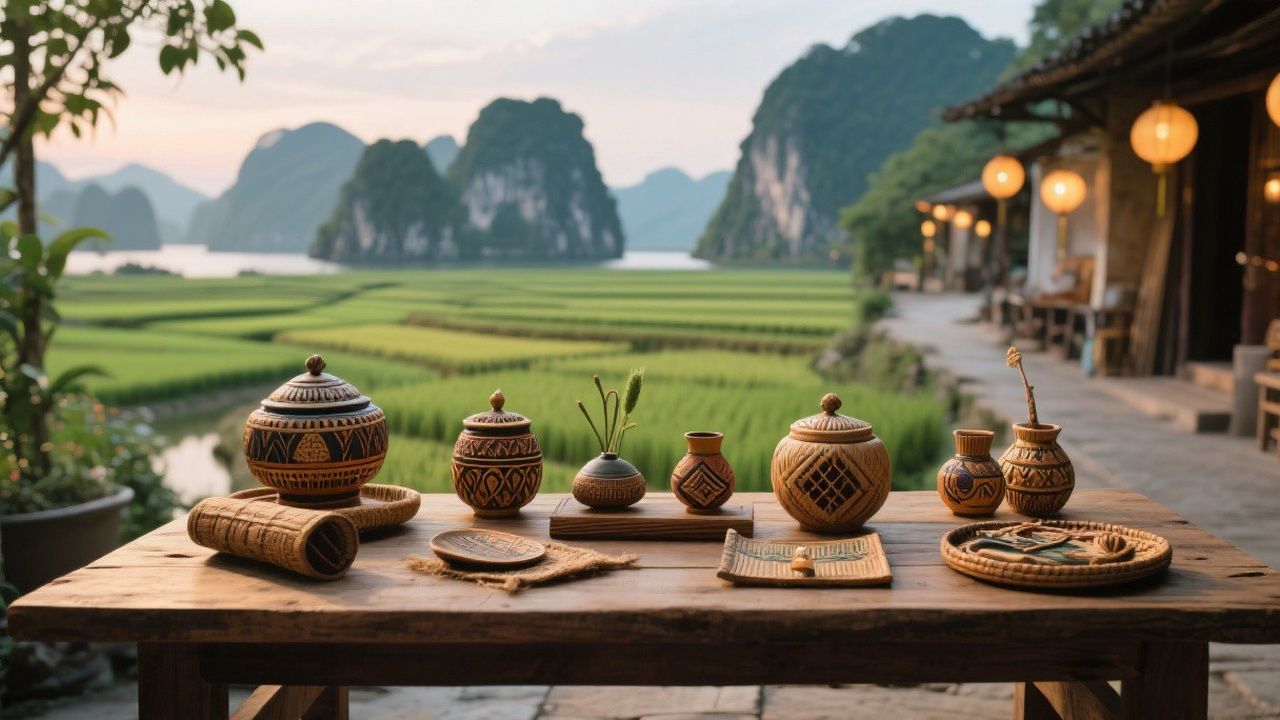
I arrived at a homestay in Ta Van village, a 40-minute motorbike ride from Sapa town, soaked from a sudden downpour and thoroughly lost. The owner, a Hmong woman named Zi, took one look at me, handed me a dry towel, poured a cup of hot herbal tea, and gestured for me to sit by the fire. Within an hour, I was eating steamed fish with wild herbs, learning how to dye fabric with indigo, and being introduced to her extended family who lived in adjacent wooden houses. That night, I slept on a thin mattress on a raised wooden platform under a blanket heavy enough to ward off the mountain cold, and I woke to mist rolling through the rice terraces outside my window. It cost me 150,000 Vietnamese dong ($6.50 USD). That's the thing about Vietnam homestays — the experiences are so rich and personal that describing them to friends back home sounds like exaggeration, but every word is true.
Booking and Payment Methods
Booking a homestay in Vietnam is not like booking a hotel. Many of the best homestays, particularly in rural areas like Sapa, Pu Luong, and the Mekong Delta, don't have a presence on major booking platforms. They rely on word of mouth, local travel agents, and increasingly on Facebook groups where travelers share recommendations. The Facebook group "Vietnam Backpackers" and the TripAdvisor forums for specific regions are where I've found my most memorable stays. For Sapa homestays, messaging hosts directly through their Facebook pages is common — many Hmong and Dao families maintain active pages with photos and contact information.
Payment is almost always in cash, in Vietnamese dong. Very few rural homestays accept credit cards or digital payments. I always withdraw 3-4 million dong ($130-$170 USD) before heading into rural areas, which is more than enough for several nights of accommodation plus meals and activities. Some homestays in more touristy areas (like Cat Ba Island or Hoi An) accept bank transfers through Vietnamese apps like MoMo or ZaloPay, but cash remains king. Don't expect receipts — transactions are informal, and the trust-based system works remarkably well. I've never been overcharged at a Vietnamese homestay.
For travelers who prefer the security of a booking platform, Booking.com and Agoda list a growing number of homestays, particularly in the Mekong Delta and Sapa regions. The advantage is a confirmed reservation and the ability to pay with a credit card. The disadvantage is that platform-listed homestays tend to be slightly more commercialized and charge 20-30% more than the informal rate you'd get by showing up or messaging directly. My approach: use booking platforms for the first night in a new area, then ask the host to recommend friends or family members with homestays for subsequent nights. This is how I found Zi's place in Ta Van, and it was the best accommodation decision I made in Vietnam.
What to Expect from Homestays
Vietnam homestays range from basic to surprisingly comfortable, and understanding the spectrum helps you pick the right one. A basic homestay in a rural village typically means a wooden or concrete house with a shared sleeping area (mattresses on the floor, separated by curtains or thin partitions), a squat toilet, a bucket shower, and a fan. Electricity is available but power outages are common in remote areas. I stayed in a Dao village homestay near Sapa where the toilet was a squat latrine behind the house and the shower was a hose attached to a water tank. It was perfectly functional, and the 100,000 dong ($4.30 USD) per night rate included dinner and breakfast.
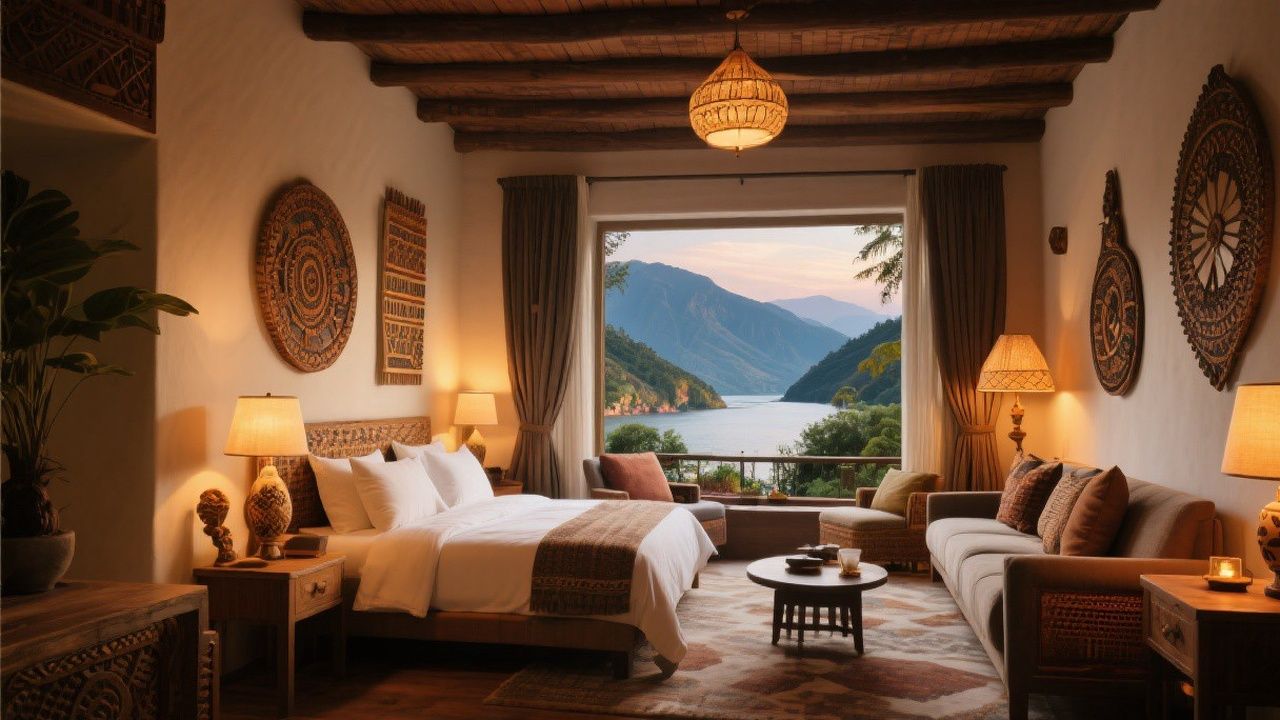
Mid-range homestays, which are increasingly common, offer private rooms with proper beds, Western-style toilets, hot water showers, and Wi-Fi. Many of these are run by families who have invested in upgrades to attract international visitors while maintaining the communal atmosphere. In Pu Luong, a nature reserve about four hours from Hanoi, I stayed at a Thai minority family's homestay that had a private room with a comfortable bed, an en-suite bathroom with hot water, and a balcony overlooking the valley. Dinner was a communal affair with the family and other guests, featuring grilled pork, steamed vegetables, and rice wine. The cost was 250,000 dong ($10.75 USD) per night including all meals.
Meals are a highlight of the homestay experience. Most hosts include dinner and breakfast in the room rate, and the food is invariably fresh, locally sourced, and generous. I've eaten homemade spring rolls with a family in the Mekong Delta, learned to make banh xeo (sizzling crepes) with a host in Hoi An, and tried roasted field mouse (a local delicacy) at a homestay in the Central Highlands. If you have dietary restrictions, let the host know in advance — most can accommodate vegetarian diets easily, but gluten-free and vegan requests may require more explanation.
Sapa Hill Tribe Homestays
Sapa is the epicenter of Vietnam's homestay culture, and for good reason. The region is home to several ethnic minority groups — Hmong, Dao, Tay, and Giay — each with distinct languages, clothing, and traditions. Staying in a hill tribe village gives you access to a living cultural experience that no tour or museum can replicate. The most popular villages for homestays are Cat Cat (easily accessible from Sapa town, but quite commercialized), Ta Van (a 40-minute motorbike ride, more authentic), and Ban Ho (further out, stunning scenery, fewer tourists).
I strongly recommend Ta Van over Cat Cat. The walk from Sapa to Cat Cat takes 30 minutes and you'll pass dozens of souvenir stalls and tour groups. Ta Van requires more effort to reach but the experience is fundamentally different. Zi's homestay in Ta Van offered indigo dyeing workshops, a guided trek to a nearby waterfall, and an evening of traditional Hmong singing around the fire. The cost was 150,000 dong per night including dinner (grilled pork, steamed bamboo shoots, rice, and herbal tea) and breakfast (pho with fresh herbs). Zi spoke limited English but her daughter, who had studied tourism in Hanoi, translated fluently.
For a more immersive experience, arrange a multi-day trek through Sapa O Chau, a Hmong-owned trekking company that connects travelers directly with village families. Their two-day, one-night trek to Ta Phin village costs about $35 per person including a guide, meals, and one night in a Dao homestay. The trek itself is moderate — about 15 kilometers over two days through rice terraces and bamboo forest — and the homestay in Ta Phin is basic but deeply authentic. I did this trek in October, during the rice harvest, and the golden terraces were the most beautiful landscape I've seen in Southeast Asia.
Mekong Delta River Homestays
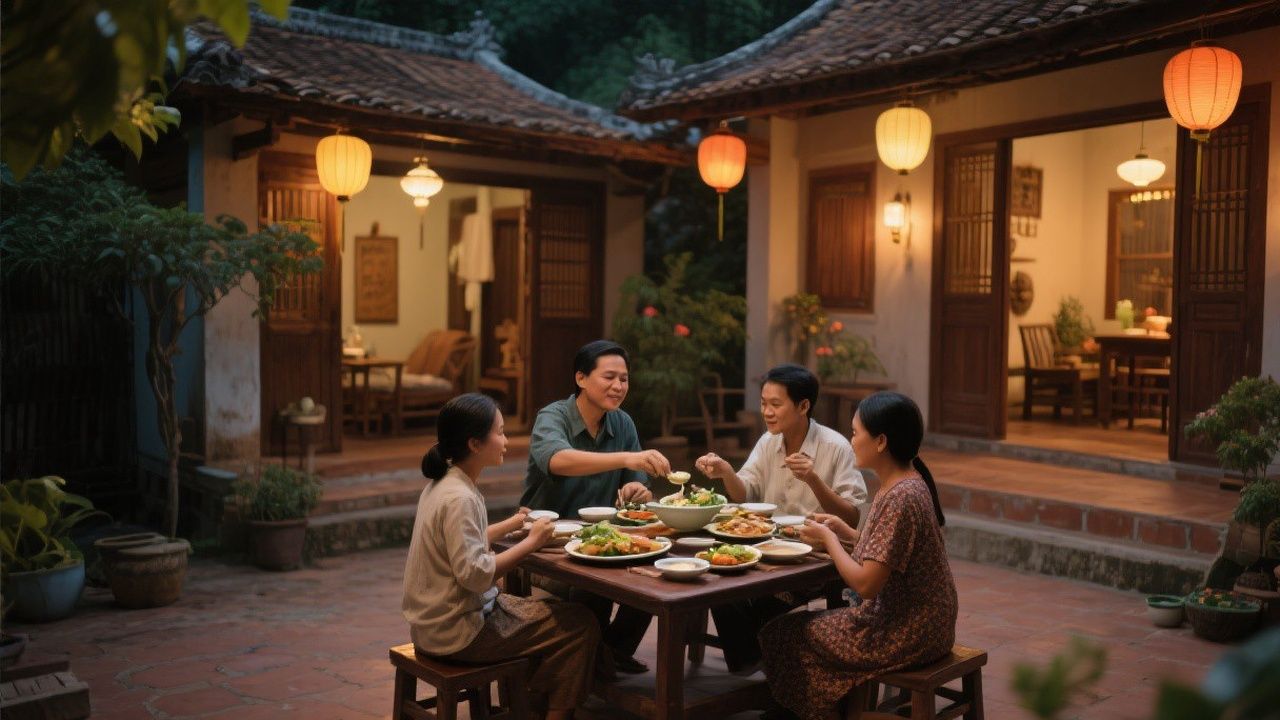
The Mekong Delta offers a completely different homestay experience from the mountains of Sapa. Here, the focus is on river life, tropical fruit orchards, and the rhythms of Vietnam's agricultural heartland. The most accessible base for Mekong Delta homestays is Can Tho, a city roughly four hours by bus from Ho Chi Minh City. From Can Tho, you can reach dozens of homestays in surrounding villages like Cai Rang, Phong Dien, and Vinh Long.
My favorite Mekong Delta homestay is the Ba Linh Homestay in Cai Rang, set among palm trees and fruit orchards on the banks of a narrow canal. The host family, third-generation rice farmers, converted their traditional wooden house into a homestay with four private rooms, each with air conditioning and a private bathroom. The rate is 300,000 dong ($13 USD) per night, and the highlight is the included boat trip to the Cai Rang floating market at 5:30 AM. You'll drift past dozens of boats selling fruits, vegetables, and hot noodles, and the host will buy breakfast ingredients directly from the vendors — pineapple, dragon fruit, and banh mi fresh from a floating bakery.
Another strong option is the Nguyen Shack in Can Tho, which offers a more upscale homestay experience with a swimming pool, a riverside restaurant, and organized tours. Rates start at 500,000 dong ($21.50 USD) per night. It's less intimate than Ba Linh but more comfortable, and the staff can arrange cycling tours through nearby villages, cooking classes, and visits to traditional brick kilns. For the best balance of authenticity and comfort, I'd recommend two nights: one at a family-run homestay like Ba Linh, and one at a slightly more developed property like Nguyen Shack.
Essential Tips to Keep in Mind
- Bring a headlamp or flashlight. Power outages are common in rural areas, and you'll need light for nighttime trips to the bathroom.
- Carry small bills in Vietnamese dong. Hosts rarely have change for large denominations.
- Learn a few basic Vietnamese phrases. "Xin chao" (hello), "Cam on" (thank you), and "Ban gia bao nhieu?" (how much?) go a long way toward building rapport with your host family.
- Bring a small gift from your home country. Notebooks, pens, and candy are appreciated, especially if there are children in the family.
- Be respectful of local customs. Remove your shoes before entering the house, dress modestly, and ask permission before photographing people.
- Bring insect repellent. Rural Vietnam has mosquitoes, and not all homestays provide mosquito nets.
Frequently Asked Questions
How much do homestays in Vietnam cost? Basic village homestays cost 100,000-200,000 dong ($4.30-$8.60 USD) per night including meals. Mid-range homestays with private rooms and bathrooms cost 200,000-500,000 dong ($8.60-$21.50 USD) per night.
Is it safe to stay in homestays as a solo female traveler? Yes. Vietnamese culture places a strong emphasis on hospitality and respect for guests. I've met many solo female travelers who had overwhelmingly positive homestay experiences. Use the same common sense you would anywhere.
Do I need to speak Vietnamese? No, but learning a few phrases helps. Many hosts in touristy areas speak basic English, and translation apps work well for more complex conversations.
Can I book homestays in advance? Some can be booked online, but many are walk-in or arranged through local contacts. For popular areas like Sapa, booking at least a few days ahead during peak season (October-November, March-April) is advisable.
Final Thoughts
Vietnam's homestays offer something increasingly rare in travel: genuine human connection. You're not a guest in a commercial establishment — you're a visitor in someone's home, eating food they've grown and cooked, sleeping under the same roof as their family, and waking up to the sounds of their daily life. The cost is negligible, the experiences are unforgettable, and the warmth of Vietnamese hospitality is consistent whether you're paying $4 or $20 a night. Skip one fancy hotel night in Hanoi or Ho Chi Minh City and spend those savings on three nights in a Mekong Delta homestay. You won't regret it.