The Ultimate Japan Rail Pass Guide: Everything You Need to Know Before You Go
On my first trip to Japan, I spent $380 on a 14-day Japan Rail Pass and used it exactly twice. That mistake cost me more than $300 in wasted value, and it's one I see travelers make every single day at Tokyo Station. The JR Pass is an incredible tool for the right itinerary, but it's not automatically worth it just because you're going to Japan. This Japan Rail Pass guide breaks down exactly when to buy, which pass to choose, and how to squeeze every yen of value out of it -- based on six trips and thousands of kilometers of Shinkansen travel.
JR Pass Types and Prices
As of October 2023, JR Pass prices increased significantly -- the most substantial hike since the pass launched in 1964. A 7-day Ordinary Pass now costs 50,000 yen (about $335), up from 29,650 yen. The 14-day pass is 80,000 yen ($535), and the 21-day pass is 100,000 yen ($670). Green Car (first class) versions cost roughly 50% more. These prices mean the break-even point is higher than it used to be: you now need to take roughly 250,000-300,000 yen worth of JR trains within your pass period to justify the cost.
The math works out clearly for certain routes. A round-trip Shinkansen from Tokyo to Kyoto costs about 26,640 yen ($178). Add a Tokyo to Hiroshima round trip (about 36,640 yen or $245), and you've already exceeded the 7-day pass price. But if your plan is Tokyo-Osaka-Tokyo with a few local day trips, individual tickets will likely be cheaper. I use the online calculator at jrp-calculator.com to run the numbers before every trip -- it factors in exact routes, train classes, and current fares.
Regional passes deserve serious consideration as an alternative. The JR East-South Hokkaido Pass covers a massive area from Tokyo to Sapporo for 5 days at 30,000 yen ($200). The JR West Kansai Area Pass gives you unlimited travel around Osaka, Kyoto, Nara, and Kobe for 1 day at just 1,800 yen ($12). If your itinerary is concentrated in one region, a regional pass almost always beats the national pass on value.
Common Mistakes to Avoid

The single biggest mistake travelers make with the JR Pass is buying it for a trip that doesn't cover enough ground. I've met people at Kyoto Station who bought a 14-day pass for a Tokyo-Kyoto-Osaka trip, spending $535 on a pass that covered maybe $250 worth of train travel. That's $285 thrown away. Before purchasing, map out every train journey you plan to take, look up the individual ticket prices on the JR East website or Google Maps, and add them up. If the total doesn't exceed the pass price by at least 20%, buy individual tickets instead.
Another costly error: activating the pass on the wrong day. Your JR Pass validity period starts on the day you activate it, not the day you first use a train. If you activate a 7-day pass on a Monday but don't take your first long-distance train until Wednesday, you've burned two days of value. I always activate my pass on the morning of my first Shinkansen ride, which usually means doing it at a major station like Tokyo or Shin-Osaka rather than at the airport on arrival day.
Many travelers also don't realize that the JR Pass doesn't cover every train in Japan. Nozomi and Mizuho Shinkansen -- the fastest bullet trains on the Tokaido and Sanyo lines -- are excluded. You'll need to take the slightly slower Hikari or Sakura services instead, which add about 20-30 minutes to a Tokyo-to-Hiroshima trip. The pass also doesn't cover non-JR lines like the Tokyo Metro, Osaka Metro, or private railways such as the Hankyu Line in Kyoto. Budget separately for these local transit costs, which add up to about 500-1,000 yen ($3.50-7) per day.
Seat Reservation System
One of the best perks of the JR Pass is free seat reservations on Shinkansen and limited express trains. You can make reservations at any JR Ticket Office (Midori-no-madoguchi) in major stations, or at dedicated reservation machines marked with the " reserved seat" icon. The process takes about two minutes: hand over your pass, tell the agent your destination and preferred time, and they'll print a reserved seat ticket at no extra charge.
I always reserve seats a day in advance during peak seasons -- Golden Week (late April to early May), Obon (mid-August), and the New Year period (December 29 to January 3) -- when unreserved cars fill up fast. During off-peak times, I've walked onto Hikari trains between Tokyo and Kyoto without a reservation and found seats easily, but it's not guaranteed. The unreserved (non-Reserved) cars are clearly marked on the platform, and they operate on a first-come, first-served basis.
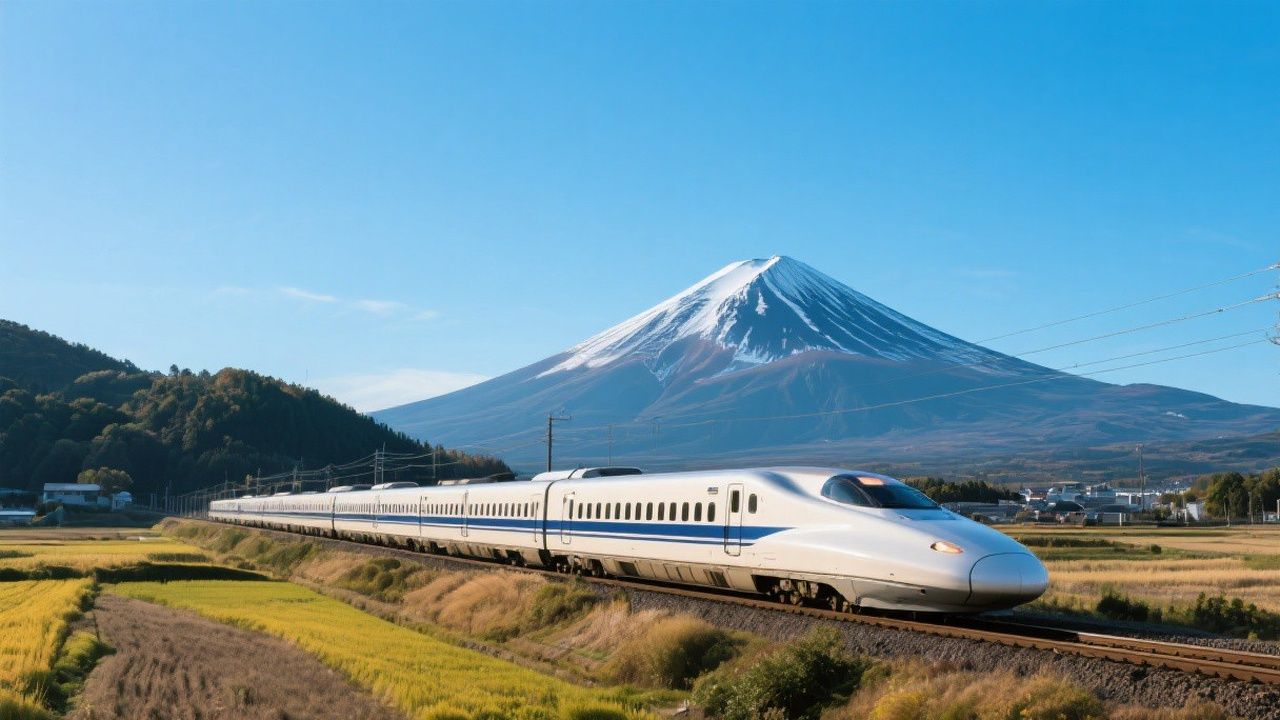
Window seats on the right side of the train (Seat E in most configurations) facing forward offer the best views of Mount Fuji on the Tokyo-to-Osaka route, visible roughly 45-60 minutes after departure from Tokyo Station. If you're traveling in late February or early March, the right side also gives you views of the plum blossoms at Odawara. For the return trip from Osaka to Tokyo, the left side has the Fuji views. These details matter when you're spending 2.5 hours on a train -- a good seat turns transit time into sightseeing time.
Tips for First-Time Users
You must purchase the JR Pass before arriving in Japan. The pass is no longer sold inside the country to temporary visitors. Order an Exchange Order (voucher) online from authorized vendors like Klook, Japan Rail Pass Reservation, or the official JR Pass website. Prices vary slightly between vendors -- Klook often runs promotions that save $10-20. The voucher arrives by mail or as a digital QR code, which you then exchange for the actual pass at a JR Exchange Office in airports or major stations. Bring your passport with the temporary visitor stamp, as they'll check it to verify eligibility.
When passing through ticket gates, show your pass to the attendant at the manned gate rather than trying to insert it into the automated machines. The pass is a physical booklet (not an IC card), and the attendant will visually inspect it and stamp the date. Keep the pass in a protective sleeve -- the paper gets beat up quickly with daily use, and a damaged pass can cause problems at manned gates. I keep mine in the clear pocket of my passport holder for easy access.
The JR Pass also covers the JR Yamanote Line that circles Tokyo, the JR Chuo Line to day-trip destinations like Nikko, and JR ferry services to Miyajima Island. These secondary uses add incremental value that many travelers overlook. A round-trip to Miyajima from Hiroshima on the JR ferry normally costs 720 yen ($5) -- it's a small savings, but it adds up when combined with local JR line rides you'd be paying for anyway.
Essential Tips to Keep in Mind
- Download the Japan Travel by Navitime app for real-time train schedules, platform information, and JR Pass coverage maps. It works offline once you've downloaded the regional data.
- If your itinerary includes both Tokyo and Kyoto/Osaka, consider a Suica or ICOCA IC card for local transit and buy individual Shinkansen tickets instead of the full JR Pass. The math often works out better under the new pricing.
- Store luggage at coin lockers in major stations (300-700 yen per use) rather than hauling large bags onto Shinkansen during peak hours. Tokyo Station has a dedicated luggage storage service called Ecbo Cloak that costs 600-1,200 yen per day.
- The JR Pass covers the Narita Express from Narita Airport to central Tokyo (normally 3,070 yen or $20 each way), which is a meaningful savings on its own.
- If you're traveling with a companion, consider whether one person buys the pass and the other buys individual tickets. Sometimes splitting the strategy saves money overall.
Frequently Asked Questions
Can I use the JR Pass on the Tokyo Metro?
No. The Tokyo Metro and Toei Subway lines are not operated by JR, so the pass doesn't cover them. You'll need a Suica or Pasmo IC card for subway rides within Tokyo, which costs 500 yen (refundable deposit) plus whatever fare you load onto it. The JR Pass does cover JR-operated lines within Tokyo, including the Yamanote Line, Chuo Line (rapid service), and Keiyo Line, which connect many major stations.
Is the JR Pass worth it for a Tokyo-only trip?
Almost never. Tokyo's extensive subway and private rail network makes the JR Pass unnecessary for city exploration. A Suica card loaded with 5,000 yen ($33) will cover a week of local transit for most travelers. The JR Pass only makes financial sense if you're taking multiple long-distance Shinkansen trips between cities.
Can I upgrade to Green Car with the JR Pass?
You can purchase a Green Car supplement at JR ticket offices for a specific journey, but it's not free with the Ordinary Pass. The upgrade costs about 5,000-8,000 yen ($33-53) per segment depending on the route. For most travelers, the Ordinary car seats are already spacious and comfortable -- they're equivalent to domestic first class on most airlines. Green Car is a luxury, not a necessity.
Final Thoughts
The Japan Rail Pass remains one of the most powerful travel tools in the world for the right itinerary, but the 2023 price increase means blind purchasing is a mistake. Run the numbers, compare regional passes, and be honest about how much you'll actually move around. Japan train travel is phenomenally efficient regardless of whether you have the pass -- the trains run on time to the second, the seats are comfortable, and the station signage is in English. The JR Pass is a financial optimization, not a prerequisite for a great trip. Plan smart, and it'll save you hundreds. Plan poorly, and it'll cost you.