The Best Swiss Chocolate to Buy and Where to Find It
I once ate an entire 100-gram bar of Sprungli dark chocolate on a train from Zurich to Lucerne and felt zero guilt, because Swiss chocolate consumed in Switzerland does not count. Or at least that is what I told myself. Switzerland has been making chocolate since the early 19th century, and the country takes it more seriously than almost anywhere else on earth. The average Swiss person consumes roughly 9 kilograms of chocolate per year, which tells you everything about the national attitude toward this product. After eating my way through chocolate shops in Zurich, Geneva, Lucerne, Bern, and Gruyeres, I have a very clear picture of what is worth buying, what is overhyped, and where to find the best Swiss chocolate brands at fair prices.
Bean-to-Bar Chocolate Makers
Switzerland's bean-to-bar chocolate movement is smaller than those in Belgium or the US, but it is growing fast and producing some extraordinary chocolate. These makers source their own cacao beans directly from farms, roast them in-house, and control every step of production. The result is chocolate with distinct terroir-driven flavors that are a world apart from the smooth, mild profiles of mainstream Swiss brands.
Favarger in Geneva is one of the most accessible bean-to-bar producers, and their Nougalines (chocolate-covered nougat bars) are a Geneva institution. A 200-gram box costs 18 to 22 Swiss francs and makes an excellent gift. For a more serious bean-to-bar experience, visit Cailler in Broc, which is both a working factory and a visitor center. Cailler has been making chocolate since 1819 and was the first Swiss company to add milk to chocolate, inventing milk chocolate as we know it. Their factory tour costs 15 francs and includes generous tastings. The on-site shop sells bars that are not available anywhere else, including single-origin bars from Madagascar, Ecuador, and Ghana priced at 4 to 7 francs each.
La Chocolatiere in Zurich's Niederdorf district is a tiny bean-to-bar shop that produces chocolate in small batches right behind the counter. Their 70 percent Madagascar bar has bright fruity notes with a clean finish, and a 50-gram bar costs 6.50 francs. The owner is happy to explain the sourcing and roasting process, and the shop feels like a discovery rather than a tourist stop. This is the kind of place that reminds you why Swiss chocolate has its reputation.
Top Swiss Chocolate Brands
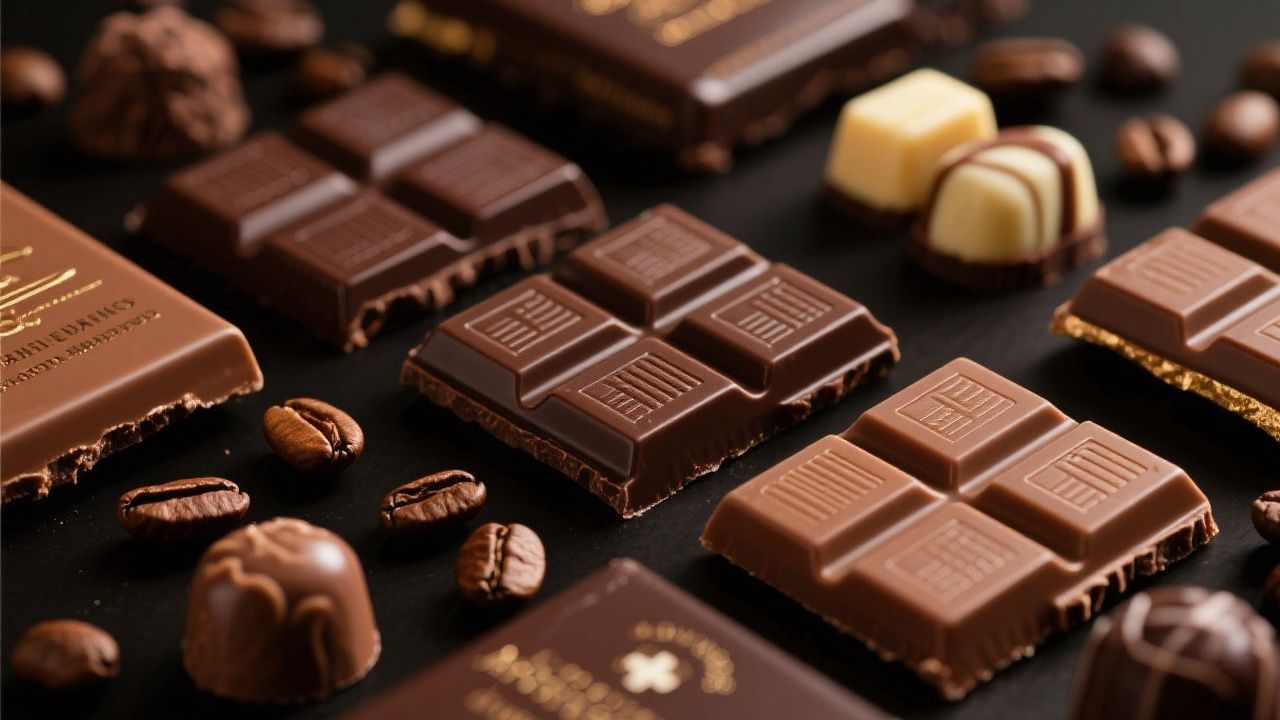
Lindt is the most internationally recognized Swiss chocolate brand, and while their supermarket bars are perfectly fine, the real treasures are found at Lindt's dedicated shops and the Lindt Home of Chocolate in Kilchberg, near Zurich. The Home of Chocolate is part museum, part experience, and part shopping paradise. The outlet shop here sells Lindt Excellence bars for 2.50 to 3.50 francs each, compared to 4 to 6 francs in regular retail. Their truffle assortments are also significantly cheaper here, with a 200-gram box of Lindor truffles costing 10 to 14 francs versus 16 to 20 francs elsewhere.
Sprungli, available almost exclusively in Switzerland, is the brand that Swiss people actually buy for gifts and special occasions. Their truffles, particularly the truffes du jour (fresh cream truffles made daily), are extraordinary and have a shelf life of only a few days. A box of 9 truffes du jour costs 18 to 24 francs at Sprungli boutiques in Zurich, Geneva, and Lucerne. These are not travel-friendly gifts, but they are the best chocolate you will eat in Switzerland if you consume them quickly.
Villars is the unsung hero of Swiss chocolate. Founded in 1901 in Fribourg, Villars produces classic Swiss milk chocolate with a depth and richness that rivals Lindt at a lower price point. A 100-gram Villars milk chocolate bar costs 2 to 3 francs at Coop or Migros supermarkets, making it the best everyday Swiss chocolate value. Their dark chocolate with hazelnuts is equally good and costs the same. For gift-giving, Villars sells elegant boxed assortments for 12 to 20 francs that look far more expensive than they are.
Gift Packaging Options
Swiss chocolate makes an exceptional gift, and the packaging options range from simple supermarket bars to luxury gift boxes that feel like jewelry presentations. For casual gifts, the Coop and Migros supermarket own-brand chocolate bars, packaged in sleek Swiss-designed wrappers, cost 1.50 to 3 francs and are genuinely good quality. I buy 15 to 20 of these for coworkers and casual friends every trip, and they are always appreciated far more than their price suggests.
For more formal gifts, the Laderach boutiques offer stunning packaging. Laderach's Fresh Chocolate boxes, with their signature bark-like chocolate shards arranged in elegant ribbon-tied boxes, are visually spectacular. A 300-gram Fresh Chocolate box costs 28 to 35 francs and makes a memorable gift for anyone who appreciates fine food. Laderach also offers custom gift boxes where you select individual chocolates, which costs 3 to 5 francs per piece depending on the variety.
The Cailler factory shop in Broc offers gift sets that include chocolate bars, pralines, and hot chocolate mix, packaged in retro-style tins and boxes that reference the brand's 200-year history. A medium gift set costs 20 to 30 francs and includes a mix of products that showcases the range of Swiss chocolate. For the most impressive presentation, the Maison Cailler selection boxes, with their gold-embossed packaging and velvet lining, cost 35 to 50 francs and feel like a genuinely luxurious gift.
Storing Chocolate During Travel

Chocolate is surprisingly fragile, and the number of melted, bloomed, or crushed chocolate bars I have sacrificed to travel carelessness is embarrassing. The two main enemies are heat and humidity. Chocolate melts at around 30 to 34 degrees Celsius, which means summer travel through Southern Europe can be disastrous if you are not careful. The bloom that appears on chocolate exposed to temperature fluctuations (those white streaks and spots) is harmless but unsightly, and it affects texture and flavor slightly.
For air travel, pack chocolate in your carry-on luggage, not checked baggage. The cargo hold of an aircraft can reach extreme temperatures, and your chocolate will arrive as an expensive puddle. Wrap each bar or box in bubble wrap or clothing for padding, and place it in the center of your bag where it is insulated from external temperature changes. If you are traveling in summer, consider carrying an insulated lunch bag with a small ice pack. I have used this technique on flights through Dubai and Bangkok, and it has saved my chocolate every time.
Once home, store chocolate in a cool, dry place between 15 and 18 degrees Celsius. The refrigerator is acceptable for short-term storage but can introduce moisture, which causes sugar bloom. If you must refrigerate chocolate, seal it in an airtight container with a paper towel to absorb condensation, and allow it to come to room temperature before opening to prevent condensation from forming on the surface. Properly stored, Swiss chocolate keeps for 8 to 12 months for milk chocolate and 12 to 24 months for dark chocolate.
Essential Tips to Keep in Mind
- Buy chocolate at supermarkets for the best prices. Coop and Migros sell excellent Swiss chocolate at 30 to 50 percent below what you will pay at specialty shops or airport stores.
- Visit the Lindt Home of Chocolate outlet shop in Kilchberg for the best prices on Lindt products. It is a 20-minute train ride from Zurich and easily combined with a day trip.
- Avoid buying chocolate at Zurich or Geneva airport. The selection is limited and prices are 20 to 40 percent higher than city shops. Buy everything before you reach the airport.
- Check expiration dates, especially on pralines and truffles. Fresh cream chocolates like Sprungli's truffes du jour have shelf lives of days, not months.
- Budget 30 to 80 Swiss francs ($34 to $90) for a generous chocolate haul. Swiss chocolate is more expensive than Belgian or French chocolate, but the quality justifies the premium for most brands.
Frequently Asked Questions
Is Swiss chocolate really better than Belgian chocolate?
It depends on what you value. Swiss chocolate tends to be smoother and creamier due to longer conching times, while Belgian chocolate often has a richer, more intense cacao flavor. Both traditions produce exceptional chocolate, and the best choice comes down to personal preference.
Can I bring Swiss chocolate back through customs?
Yes, without restriction in most countries. Chocolate is a processed food product with no agricultural restrictions. The US allows unlimited chocolate for personal use, and the EU has no restrictions on chocolate imported from Switzerland.
What is the best Swiss chocolate for someone who prefers dark chocolate?
The Lindt Excellence 70 percent, 85 percent, and 90 percent bars are excellent and widely available. For something more special, try Cailler's single-origin dark bars or La Chocolatiere's Madagascar 70 percent from Zurich. Sprungli also offers a superb 70 percent dark bar at their boutiques.
Final Thoughts
Swiss chocolate earns its reputation every single time you open a bar. The smoothness, the depth of flavor, and the consistent quality across brands are unmatched. Buy at supermarkets for everyday bars, visit factory shops for outlet prices on premium brands, and splurge on Sprungli truffles if you are eating them within days. Pack carefully, skip the airport markup, and bring home more than you think you need. Swiss chocolate disappears fast.