Are you feeling overwhelmed with the looming tax season? Are you worried you might be unable to pay your taxes in full? You’re not alone; many people find themselves in this scenario. Thankfully, there are options available!
This blog post will discuss what happens if you can't pay your taxes and how to mitigate the associated risks. We will cover payment plans, penalties, and fees that may occur when a taxpayer cannot afford their current year's tax bill.
Read on for all the details, and get ready to get a handle on any fears or anxieties surrounding not being able to make timely payments of your taxes each year!
Understand the Consequences of Not Paying Your Taxes
If you owe taxes and cannot pay them in full, the IRS will require that you make payment arrangements. You can enter into an instalment agreement with the IRS to pay your tax balance over time.
It is important to remember that not paying your taxes on time can lead to additional penalties and fees that can make your tax balance even more difficult to pay. The IRS will charge you a late payment penalty if your taxes are unpaid by the due date.
This fee is usually 0.5% of the unpaid balance every month, up to a maximum of 25%. If you do not pay your taxes on time, the IRS could also take legal action against you. This might include filing a lien or levy against your property or assets.
How to Tell if You Owe More Taxes Than You Can Afford to Pay

Tax season can be overwhelming and frustrating, but paying attention to the amount owed after filing your tax return is important. If you find that you owe more than you can afford to pay, there are a few possible solutions to consider.
One of the first steps is to understand if your total liability (the amount you owe the IRS) is more than what you can afford to pay. You’ll need to review your current financial situation and determine if you have enough funds to cover the balance due.
If not, it might be a good idea to contact a tax advisor or an accountant for assistance with understanding your payment options.
How to Set Up a Payment Plan With the IRS
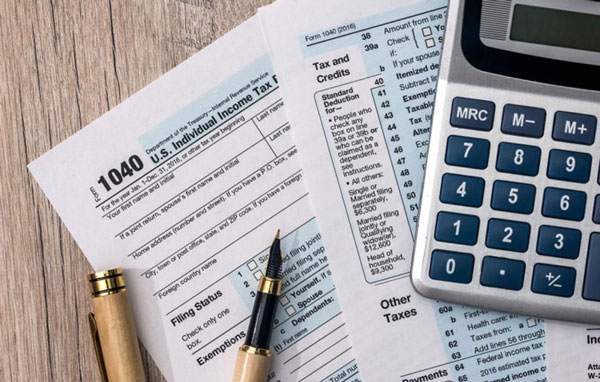
If you cannot pay your taxes in full, one option is to set up a payment plan with the IRS. A payment plan allows you to make instalments on your tax bill over some time, typically up to 120 days. Typically, setting up a payment plan requires completing and submitting Form 9465: Installment Agreement Request.
In addition to this form, you may also be required to submit proof of payment and financial information to the IRS so they can determine an appropriate payment plan for your tax debt. You will have to pay a fee for setting up a payment plan, and a minimum monthly payment amount must be paid for the payment plan to be approved.
Once your instalment agreement is set up, you will be responsible for making all of the payments on time and in full. Please do so to avoid additional penalties and fees from the IRS.
What Happens If You Don't File Your Tax Return
If you cannot pay your taxes in full, filing your tax return on time is important. There is an immediate late filing penalty of 5% per month (up to 25%) for failing to file a return by the due date. Furthermore, additional penalties and interest may accrue on the outstanding balance.
You must complete the due date for filing your return to ensure you can set up a payment plan with the IRS. Payment plans are available to taxpayers who owe more than they can pay in one lump sum. If you cannot pay your taxes immediately, contacting the IRS and discussing options for payment plans or other relief is important.
When Should You Consider Hiring a Tax Professional
If you are in a situation where you can't pay your taxes, it's important to understand the consequences and consider whether hiring a tax professional is right for you.
Tax professionals are well-versed in the laws surrounding payments and filing obligations and can provide much-needed guidance on how to proceed. They can also help you determine whether filing an extension or entering into a payment plan with the IRS is your best option.
When it comes to taxes, there are often complex and nuanced regulations that must be followed. A tax professional can help guide you through the process, ensuring that you file accurately and on time while also helping you understand the potential penalties and fees associated with not paying your taxes.
If you cannot pay your taxes in full, it's important to take action as soon as possible - before the IRS comes knocking on your door! Taking proactive steps now can help alleviate stress and ensure that any potential penalties or fees are minimised.
Hiring a tax professional may seem daunting, but it can be immensely helpful in navigating the complexities of taxes, especially when dealing with unpaid taxes. Don't let your anxiety or fear control you - take charge and take action!
FAQs
Is It a Crime to Not Pay Your Taxes?
No, it is not a crime to be unable to pay your taxes. However, it may lead the IRS to take civil action against you to collect their debts.
What Happens If You Just Don't Pay Taxes?
If you choose not to pay your taxes, the IRS may begin to assess a series of penalties and fees on top of what is already owed. These can include late payment fees, failure-to-file charges, interest accrual on the amount due, and more.
What If I Can't Pay My Taxes All At Once?
The IRS offers payment plans for taxpayers who cannot pay in full. By entering into a payment plan agreement, you can spread your tax bill over time until the debt is fully paid off.
Conclusion
All in all, paying taxes is a priority that should not be taken lightly — for your financial well-being and for the greater good of society. Not only is it important to ensure you keep up to date with your tax payments but taking advantage of the many deductions available can save you money.
Staying on top of what’s owed and when your tax bill needs to be settled is essential, so if you find yourself in a difficult situation and can no longer meet the deadline for payment or require more time to pay off due amounts, don’t hesitate to get in touch with the IRS immediately as they are willing to help whenever possible.