10 Must-Buy Souvenirs from Japan and Where to Find Them
After six trips to Japan and a suitcase full of regrets from my first visit (I bought a plastic Mt. Fuji that peeled within a week), I have refined my shopping list down to the things that actually matter. Japan is one of those rare countries where the everyday items are as remarkable as the luxury goods, and the gap between tourist pricing and local pricing is enormous if you know where to look. Here is my honest, hard-won list of the best Japan souvenirs worth your luggage space and your yen.
Matcha Products and Green Tea
Japanese green tea is not a single product, it is an entire world that most visitors barely scratch. The matcha you find in convenience stores for 300 yen is a completely different animal from the ceremonial-grade stone-ground powder sold at specialty shops in Uji, Kyoto. I once did a side-by-side tasting of supermarket matcha versus a 2,400-yen tin from Nakamura Tokichi, and the difference was shocking. The cheap stuff was bitter and chalky; the premium matcha had a sweet, umami-rich finish that lingered for minutes.
For matcha powder, head to Marukyu Koyamaen in Kyoto, which has been producing tea since 1704. Their 30-gram tin of ceremonial-grade matcha costs around 1,800 yen and makes an extraordinary gift. If you prefer something ready-to-drink, Ito En's bottled matcha is available at every 7-Eleven for about 160 yen, but the real treasure is their loose-leaf sencha. A 100-gram bag of their premium sencha retails for roughly 1,200 yen at their flagship store in Shinjuku, Tokyo.
Do not overlook matcha-flavored Kit Kats. Japan produces over 300 seasonal Kit Kat flavors, and the matcha version is consistently excellent. You can find regional exclusives like Kyoto Matcha at the Kit Kat Chocolatory in Kyoto Station for about 600 yen per small box. These make perfect stocking-stuffer gifts and are far more memorable than generic keychains.
Japanese Knives

A Japanese chef's knife is arguably the single most practical souvenir you can bring home from Japan, and it will last decades if treated properly. I bought a Santoku knife from Aritsugu in Nishiki Market, Kyoto, five years ago, and it still holds an edge better than any knife I have ever owned. The shop has been operating since 1560, and the staff will personally sharpen your purchase before wrapping it for travel.
Prices range dramatically depending on the steel and craftsmanship. A basic stainless-steel Santoku from a kitchen supply store in Kappabashi, Tokyo, starts around 3,000 yen. A hand-forged Gyuto from Aritsugu or Tsukiji Masamoto will run you 15,000 to 40,000 yen. For serious home cooks, the blue-steel (ao-hagane) blades are worth the investment at 25,000 to 60,000 yen. These develop a patina over time and hold an incredibly sharp edge.
Kappabashi Street in Tokyo is the famous "kitchen town" with dozens of knife shops, but do not assume the prices are automatically better. I found identical knives at 20 to 30 percent less at smaller shops in Osaka's Doguyasuji arcade. Always ask if the shop offers tax-free shopping (they almost all do with a passport) and whether they include a saya (wooden sheath) for safe transport.
Beauty and Skincare Products
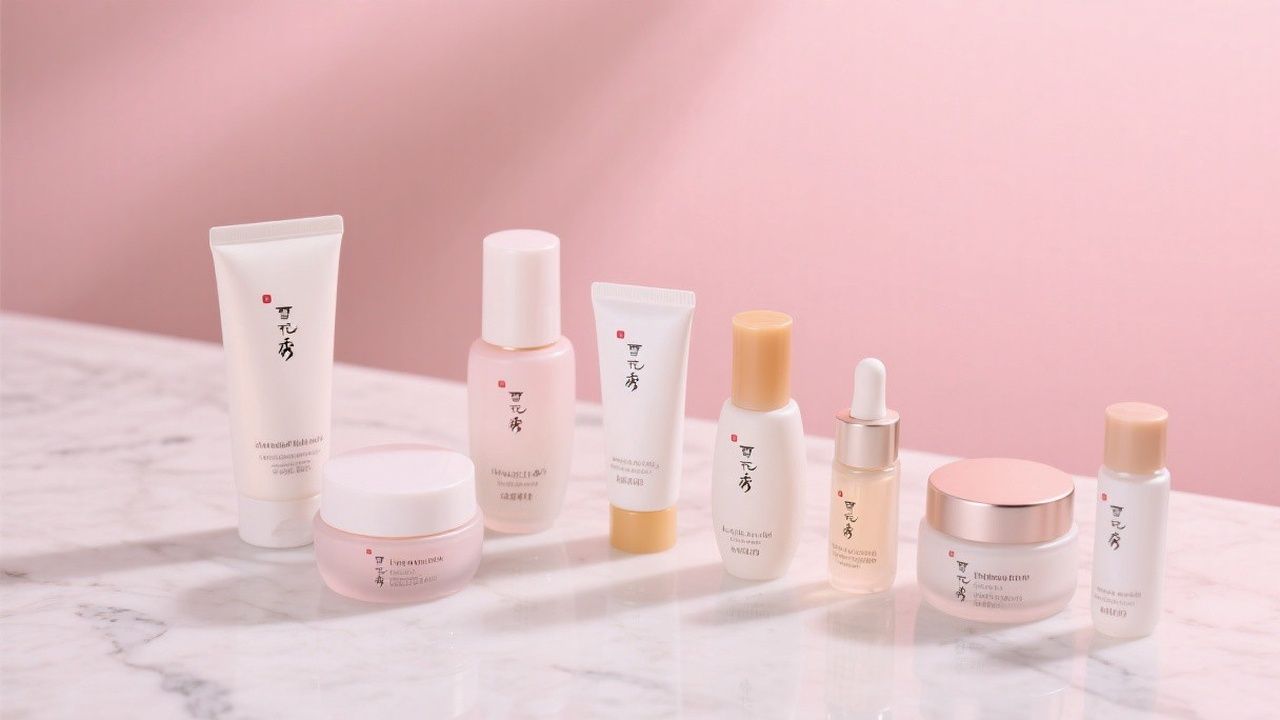
Japanese skincare has earned its global reputation, and the prices inside Japan are significantly lower than what you will pay at import shops back home. A tube of Hada Labo Gokujyun Hyaluronic Acid lotion costs about 760 yen at Matsumoto Kiyoshi, while the same product sells for $15 to $20 in Western countries. The savings alone justify dedicating an entire shopping bag to Japanese specialty products for your bathroom cabinet.
My go-to strategy is hitting Don Quijote first for the basics: Biore UV Aqua Rich Watery Essence sunscreen (around 800 yen), Kosé Sekkisei lotion (1,800 yen for a small bottle), and Lucido-L hair treatment (600 yen). Then I visit the Shiseido counter at a department store for items not easily found at discount chains. The Shiseido WASO line, developed specifically for younger skin, has products starting at 2,500 yen that are genuinely excellent.
For something uniquely Japanese, look for sheet masks from brands like LuLuLun and Keana Nadeshiko. A pack of 7 LuLuLun masks costs roughly 400 yen, and they come in varieties like sake, honey, and rice bran. I stock up on these every trip because they are effective, affordable, and impossible to find in the same variety outside Japan.
Duty-Free Shopping Tips
Japan's tax-free system is generous and straightforward, but most tourists leave money on the table by not understanding how it works. The consumption tax is 10 percent, and you can get this refunded on purchases over 5,000 yen at participating stores. Simply show your passport at the register, and the discount is applied immediately. No paperwork, no airport refund counter, no hassle.
Department stores like Takashimaya, Mitsukoshi, and Daimaru have dedicated tax-free counters where staff speak English. Don Quijote locations in major cities also offer tax-free with minimal fuss. The key detail most people miss: consumables like food, cosmetics, and drinks are tax-free up to 500,000 yen, while general goods like electronics and clothing have no upper limit. This means you can buy a massive haul of skincare products and still get the full 10 percent off.
For electronics, Bic Camera and Yodobashi Camera both offer tax-free plus additional point-card discounts. I once bought a Sony WH-1000XM5 headset at Yodobashi Camera in Akihabara for 29,800 yen tax-free, which was roughly $200 at the time, nearly $100 less than the US retail price. Always compare prices across stores using Kakaku.com before committing to a purchase.
Essential Tips to Keep in Mind
- Bring an empty foldable duffel bag in your suitcase. You will fill it. Japanese products are compact but add up fast, and overweight baggage fees will erase any savings from tax-free shopping.
- Avoid buying food souvenirs at Narita or Haneda airport shops. The same items cost 30 to 50 percent more there. Buy everything at city shops and pack it in your checked luggage.
- Check your country's import rules before buying knives, food products, or plant-based items. Australian and New Zealand customs, for example, are extremely strict about tea and plant products.
- 100-yen shops like Daiso and Seria are goldmines for practical souvenirs. I regularly pick up ceramic bowls, chopsticks, and washi tape for 100 to 500 yen each.
- If you are buying expensive items like knives or electronics, keep the receipt and the store's contact information. Some shops offer international warranties or will service their products if you ship them back.
Frequently Asked Questions
How much cash should I budget for souvenirs in Japan?
Plan for 20,000 to 50,000 yen ($130 to $330) per person for a solid souvenir haul. This covers a knife, skincare products, tea, snacks, and small gifts. If you are buying high-end knives or electronics, double that amount.
Can I bring Japanese knives in my carry-on luggage?
No. Knives must go in checked baggage. Most knife shops will provide a protective box or sheath. Declare them if asked, but in my experience, Japanese airport security is accustomed to tourists transporting knives and rarely causes issues.
Are Japanese beauty products authentic if I buy them at Don Quijote?
Yes. Don Quijote is a legitimate retailer, not a gray-market seller. The products are genuine, often with longer expiration dates than parallel-import versions sold in other countries.
Final Thoughts
The best Japan souvenirs are the ones you will actually use, not the ones that gather dust on a shelf. A good Japanese knife transforms your cooking. A tin of Uji matcha makes your morning routine something to look forward to. And the skincare products will have you wondering why you ever paid full price at home. Shop at local stores, skip the airport markup, and bring an extra bag. Your future self will thank you every time you reach for that perfectly sharp Santoku or brew a cup of stone-ground matcha.