1. "Every Word Must Be Perfect"

Let's get this out of the way: flawless speeches are boring. Ever heard one? Me neither. Perfectionism isn't a high standard; it's a straightjacket. It freezes you. You're so busy mentally editing sentence #3, you completely fumble sentence #4. The audience doesn't want a robot reciting a thesis. They want a human sharing an idea. A stumble, a rephrased thought, a moment of genuine "let me find the right word here"... that's connection. Chasing perfection is how you guarantee you’ll sound rehearsed and distant. Sometimes, “good enough” delivered with conviction beats “perfect” delivered with terror.
2. "I'm a Fraud, and They'll Find Out"
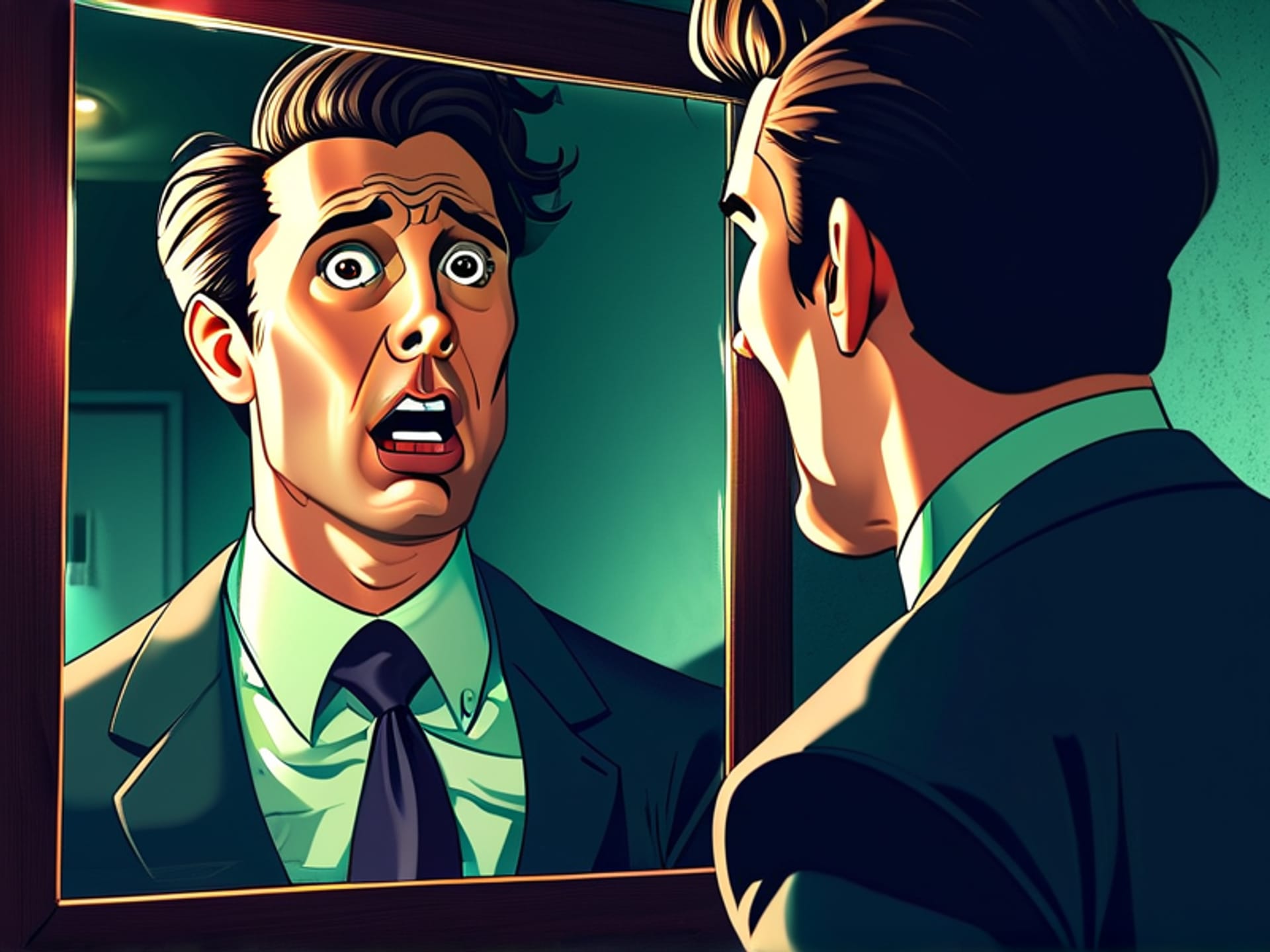
Ah, the old imposter syndrome classic. The voice whispering, "Who are *you* to talk about this?" Here's the secret: almost everyone feels it. The difference between you and the pro on stage is that they've learned to speak *while* the voice chatters. They don't wait for it to shut up. They acknowledge it's in the passenger seat, but they're still driving the car. Your value isn't in knowing absolutely everything. It's in the specific slice of something *you* know that can help someone in that room. You're not a fraud. You're just a human who hasn't granted yourself permission yet.
3. "If I Forget My Lines, I'm Finished"
Newsflash: You're not performing Shakespeare. Nobody has your script. They have zero idea what you planned to say next. The paralyzing fear of the "mind going blank" comes from one place: memorizing a speech verbatim. You're trying to recall a string of 500 specific words in a specific order. Of course you'll panic. Ditch the script. Work with an outline of core ideas—bulleted points, a mind map, whatever. Your job is to know the territory, not every pebble on the path. If you blank on one way to explain concept A, you can circle back or explain it another way. The audience will never know it wasn't the plan.
4. "Mistakes Mean I've Failed"
This mindset is a trap. You're framing the entire experience as a pass/fail exam. But public speaking isn't a test; it's a transmission. A dropped "um," a mispronounced word, a clicker that doesn't work... these aren't failures. They're *opportunities*. They show you're human. How you handle a glitch often earns you more respect than a flawless performance. Smile. Make a quick, humble joke about the tech. Take a breath. Move on. The audience is rooting for you. They want you to succeed. When you treat a minor mistake like the end of the world, you make everyone uncomfortable. When you acknowledge it and glide past it, you project a confidence that no perfect rehearsal can ever teach.
5. "I'm Just Not a 'Natural' Speaker"
This is the most poisonous one. It’s a fixed mindset get-out-of-jail-free card. “I’m not a natural, so why try?” Please. Watch any legendary speaker's early talks. They’re often awkward. The “naturals” you see are almost always the product of relentless, unseen practice. Speaking is a skill, like cooking or playing guitar. You learn chords. You practice scales. You burn a few meals. There is no “speaking gene.” There is only work. Deciding you’re "not a natural" is just a fancy way of giving up before you've given yourself a real chance. Start small. Record yourself. Practice in the car. The confidence comes from the competence you build, not from some mythical born-with-it trait you lack.