Why Your Speech Backup Plan Is More Important Than Your Speech

Let's cut the inspirational fluff. You're not going to deliver the greatest speech of all time. Sorry. Something *will* go sideways. Maybe the slide deck corrupts. Maybe you forget the next sentence. Maybe the mic starts squealing like a stepped-on cat. So what? Here's the thing: the mark of a real pro isn't avoiding mistakes. It's having a simple, stupid plan for when they happen. A plan that keeps you from freezing like a deer in headlights. Because an audience will forgive a glitch, but they'll never forget watching you mentally implode on stage.
The Two Worst-Case Scenarios (& How to Breeze Past Them)
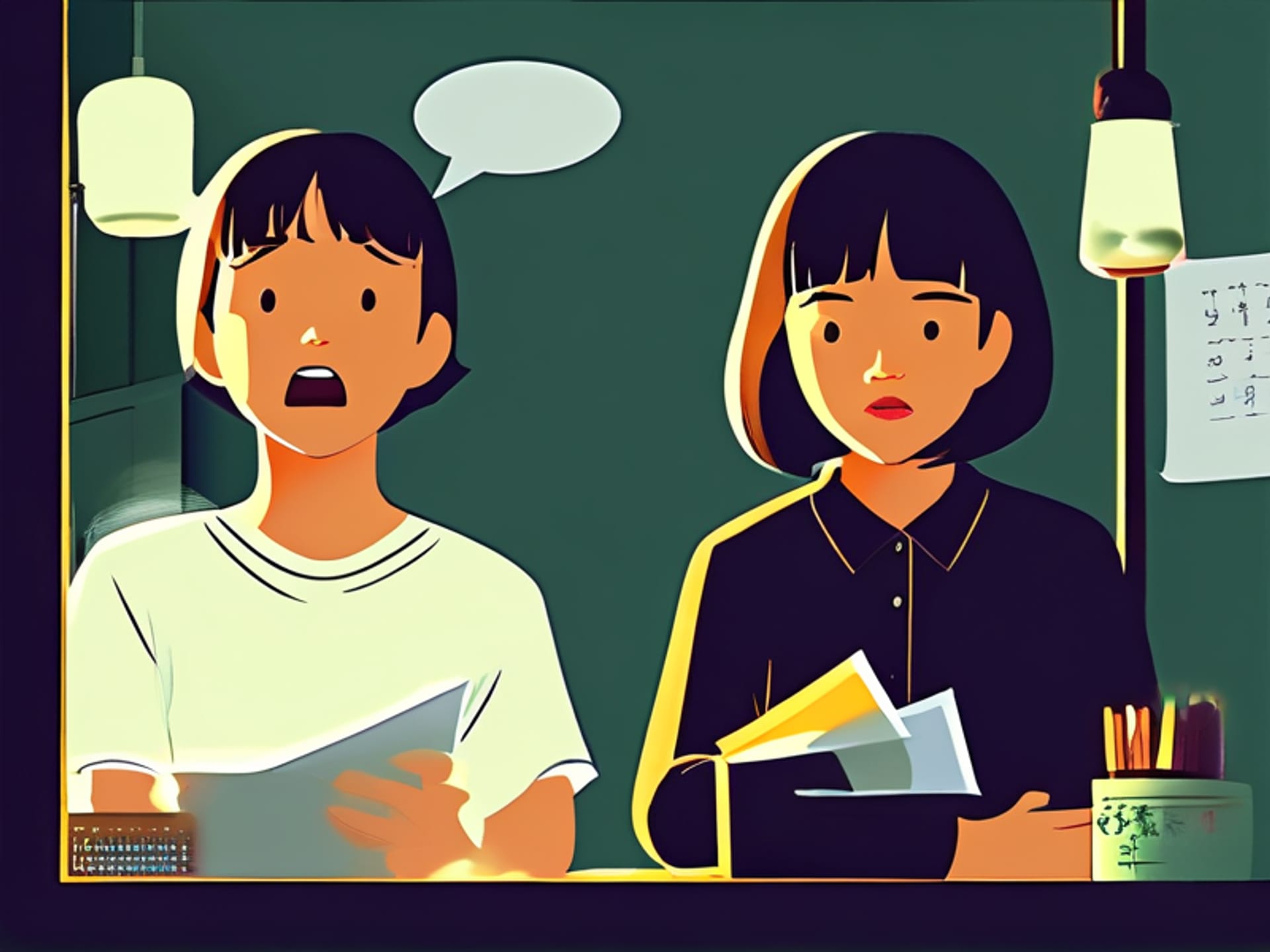
Your brain betrays you. It happens to everyone. You're cruising, and then... nothing. A big, beautiful blank. Actually, this is the easiest problem to solve. Don't just stand there. Pause. Take a slow, deliberate sip of water. Glance at your printed notes. Or better yet, just admit it. "Hang on, my brain just skipped a track." The audience will laugh *with* you. It's human. The second disaster? Tech fails. The video won't play. The clicker dies. Your backup plan? You brought a printed handout as a fallback. You can describe the chart. You can tell the story without the slides. The show always goes on. Always.
Your "Problem-Swatter" Toolkit for Beginners
You don't need a 50-page manual. You need a go-bag. Your speech contingency planning starts with physical, tangible stuff. Print the damn script, even if you don't use it. Have your slides on a USB drive *and* emailed to the organizer. Bring your own clicker and a spare set of batteries, because event organizers buy the cheap ones. Wear clothes you feel powerful in, and that won't show sweat stains. Practice the first two minutes so much you could do it in your sleep. This isn't overkill. It's your psychological armor. When you know you've covered the basics, the fear of the unknown shrinks. A lot.
Rehearsing the "What If" Scenarios (The Real Secret)
Everybody practices their speech. Almost nobody practices their screw-ups. Big mistake. Run through your presentation once normally. Then, do it again and *force* a mistake. Have a friend turn off the projector. Practice saying, "Well, the tech gods are angry today, so let me paint you a picture instead..." and just talk. Forget a key point? Practice smoothly saying, "You know what, I skipped something important. Let me backtrack." This is beginner problem-solving gold. You're not just memorizing words; you're training your reaction muscles. When the real moment hits, your brain won't panic. It'll just go, "Oh, we rehearsed this. Cool."
Handling Mistakes Like You Meant to Do It
Your energy is contagious. If you freak out, the whole room gets tense. If you stay cool—or even crack a joke—they relax. A contingency plan isn't about perfection. It's about poise. It's the quiet confidence that comes from knowing you can handle the next weird thing that happens. Because something will. And when it does, you'll swat it away, get a laugh, and move on. And your audience will remember you as the unflappable one. The one who didn't just give a speech, but who commanded the room, glitches and all.