The Silent Danger Every Family Dreads

Let's be real for a second. We all picture it. That sickening thud from the other room. The frantic dash down the hall. It's not about fragility, it's about physics. A misplaced rug, a poorly lit step, a moment of dizziness. And just like that, a life can shift. For the person, the recovery is brutal. For the family, the guilt and worry are a constant hum in the background. But here's the thing: waiting for the sound of a fall is a terrible safety plan. We can do better now.
Tech That Acts Like a Sixth Sense
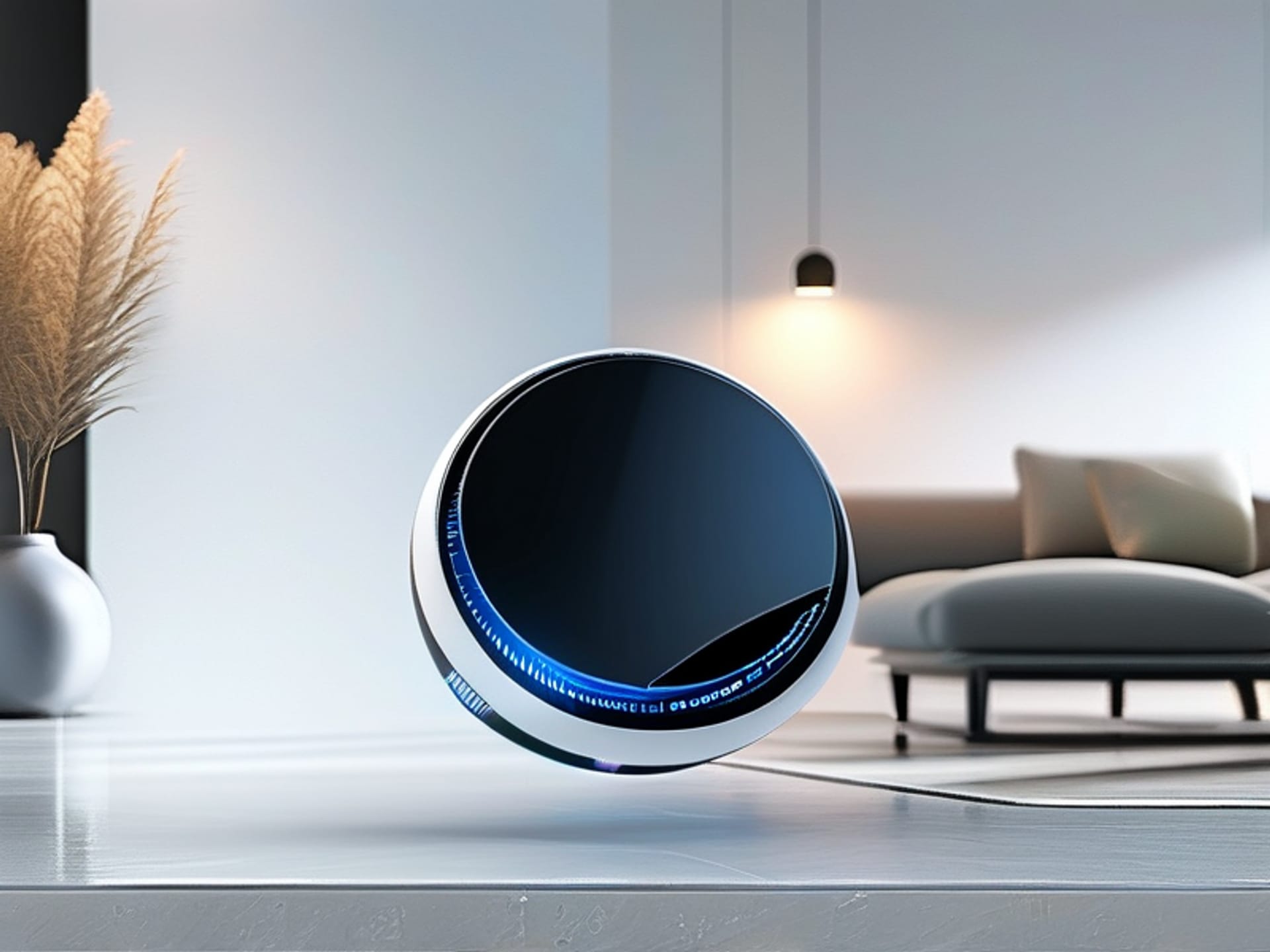
Forget clunky pendants and stigmatizing "I've fallen" buttons that often go unused. The new wave isn't wearable. It's environmental. Think of these motion sensors as quiet, watchful roommates. They don't watch *you*; they watch for *patterns*. Your normal shuffle to the kitchen at 7 AM for coffee. The trip to the bathroom at 2 PM. Over days, they learn the rhythm of life in that home. The magic isn't in detecting movement. It's in detecting the *absence* of expected movement. It's about noticing the quiet that shouldn't be there.
From "Something's Wrong" to "Help Is Coming"
This is where it gets smart. The system doesn't scream "FALL!" at the first blip. That would be crying wolf. Instead, it works on a delay. No motion in the bathroom for 45 minutes when Mom usually takes a 20-minute shower? A subtle, non-alarming alert pings a family caregiver's phone. "Hey, just a heads up, activity in the bathroom is longer than usual." It’s a nudge, not a siren. This gives time for a simple check-in call. "Everything okay in there, Mom?" Most of the time, it's fine. She just lost track of time. But for those other times, that alert is a lifeline, shaving precious minutes—or hours—off the response time.
Peace of Mind is the Real Product
This isn't really about monitoring your loved one. It's about un-monitoring *yourself*. The constant, low-grade anxiety that has you calling five times a day just to hear their voice. That's exhausting for everyone. This tech creates a silent safety net. It lets your parent or grandparent keep their dignity and independence, because nothing they do is being "watched." And it lets you breathe. You get to have a real conversation about the grandkids, not just a wellness check disguised as chit-chat. You sleep better. They live better. That's the win.
Setting Up Your Own Safety Net
So how do you start? It's stupidly simple. No drilling, no complex wiring. These sensors stick to walls or sit on shelves. You place them in key areas: the pathway from bedroom to bathroom, the kitchen, the front door. You download an app, connect them to your home Wi-Fi, and that's it. The system does the learning. You just set the rules for alerts. Maybe 30 minutes of no motion overnight triggers a message. Maybe a front door opening after 9 PM sends a ping. You tailor it to the life being lived. The goal isn't to create a prison of rules. It's to build a foundation of security so solid, everyone can forget it's even there.