Your Peace of Mind Security System Might Be Chatting About You
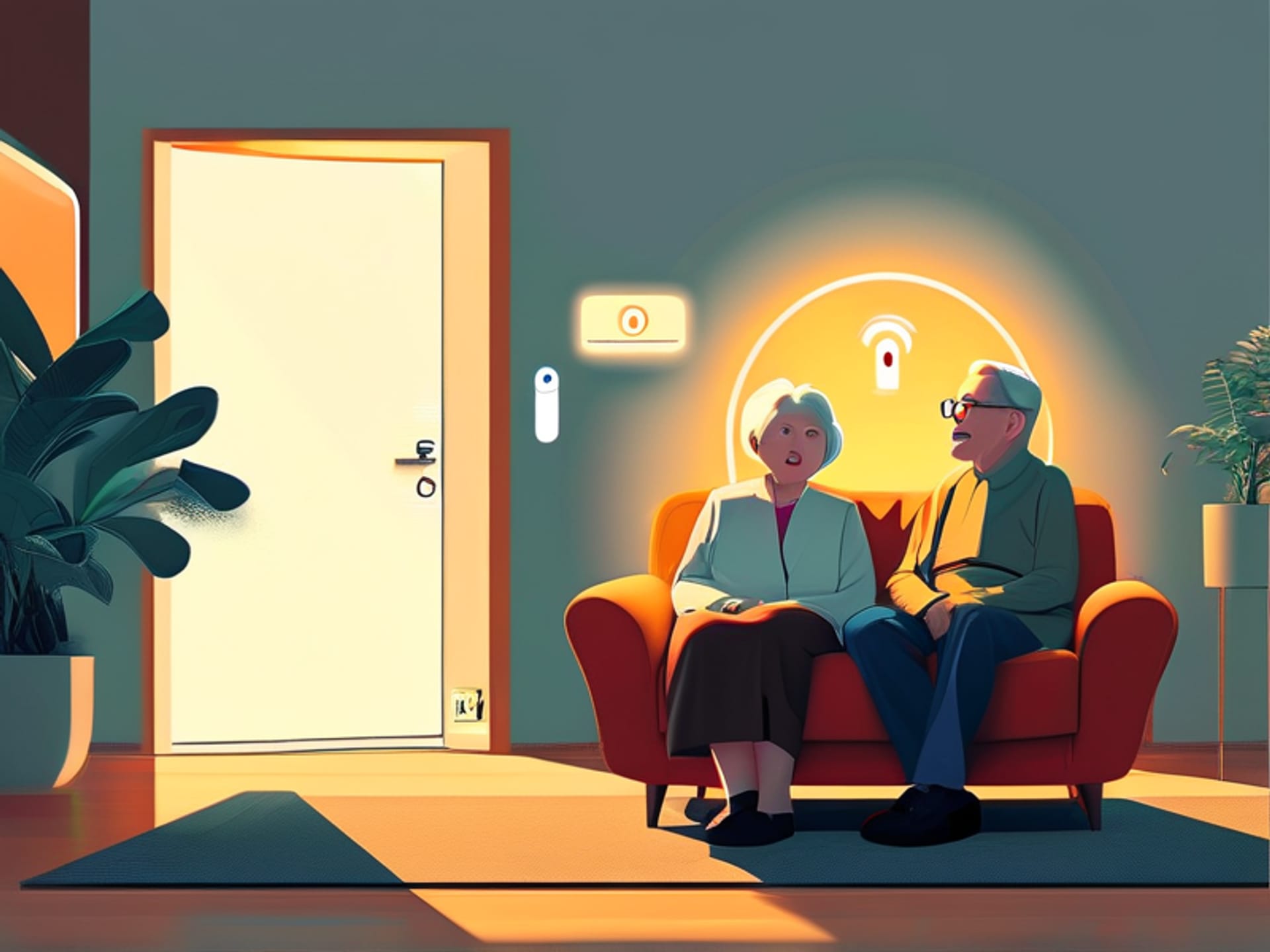
Let’s be real. You got that smart doorbell or security camera for one reason: to feel safe. Someone rings the bell, you can see who it is without getting up. A noise outside? Check the camera from your phone. It’s fantastic technology. But here’s the thing. That little device on your front porch isn’t *just* your digital lookout. It’s also a little data collection machine. And it might be sending more information back to the company that made it than you’d ever guess. We’re not just talking about video. We’re talking about the patterns of your life. When you leave, when you come home, when you take the trash out. That data has value. And if you haven't peeked at the privacy settings, you might be sharing it with more people than just yourself.
The All-Seeing Eye: What Happens to Your Camera Footage?
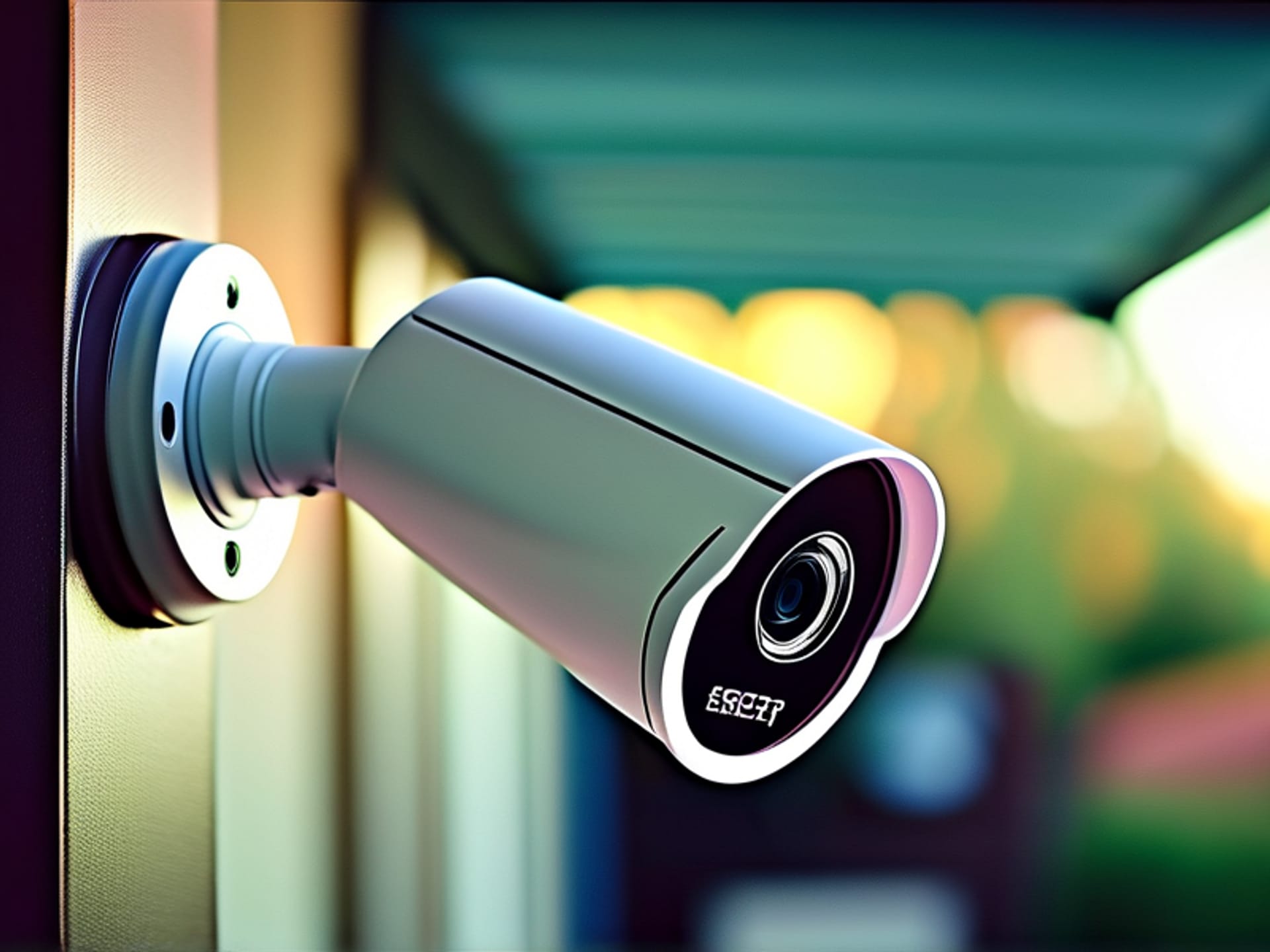
Think about what your security camera sees. The delivery person. Your grandkids visiting. The neighbor walking their dog. Now, where does that video go? Many systems offer "cloud storage." Sounds fancy, but it just means the video is sent over the internet and stored on a company’s computer server. Who has access to those servers? Company employees, potentially. Hackers, if the company has a security lapse, which happens more often than you’d think. Some systems even use your video to "improve their algorithms" through machine learning. That’s a polite way of saying your front yard is helping train their AI. The key question isn't just if it's recording. It's: who else can watch, and for how long?
"Hey, Assistant..." and the Echo That Never Forgets
Voice assistants are the ultimate convenience. Turn off the lights, play some Sinatra, set a timer for your medication. But to work, they have to *listen*. Not just when you say the "wake word," but technically, all the time, waiting for it. And when you do speak, that recording is often saved. Yes, you can usually go into the app and delete your voice history. But let’s be honest, how many of us do that regularly? These recordings can reveal a ton: your daily routine, your health concerns you mention to a family member, even financial chats. While companies say they anonymize this data, it’s still a recording of *your* voice and *your* home. It’s worth asking if the convenience is worth the audio diary you’re unintentionally keeping.
Real Security Risks Beyond the Obvious Spies
Forget Hollywood spies. The bigger threats are more boring, and more common. Weak passwords. Outdated software on your camera or router. Free, public Wi-Fi you use to check your cameras while at the coffee shop. Hackers love easy targets, and a poorly secured smart home is just that. They might not want to watch you specifically. They might want to use your device as a foothold to get into your home network to find financial info. Or, they could hijack your camera feed to see when you’re not home for a physical break-in. Or even launch a "ransomware" attack, locking your own system until you pay. The scariest part? You might not even know it's happening.
Taking Back Control: Simple Shields for Your Smart Home
This isn't a call to unplug everything and go back to a lock and key. It's about being smart with your smart tech. First, be a password ninja. No more "password123." Use a strong, unique mix of letters, numbers, and symbols. Better yet, use a password manager. Second, enable two-factor authentication. It’s that extra step where you get a code on your phone to log in. A hassle, but a game-changer for security. Third, dive into the privacy settings of every device and app. Turn off any "data sharing for improvement" options. Limit cloud storage if you can, or set it to auto-delete footage after a week. Finally, keep your software updated. Those updates often patch security holes. It’s about layering your defenses. Like locking your door AND a having a security system. Only digital.