The App Pile-Up: Why Your Smart Home Sucks Right Now
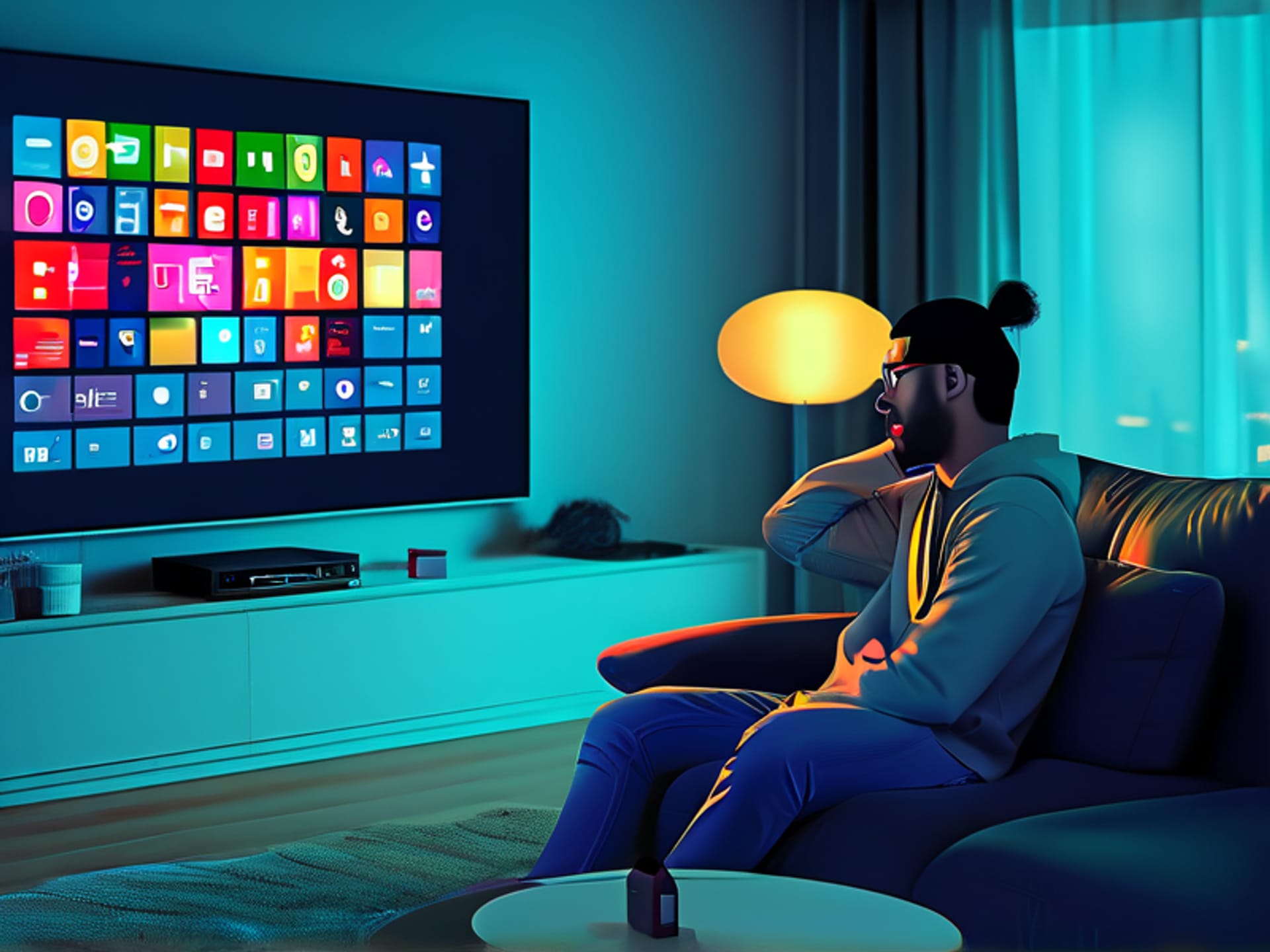
Let's be honest. Your smart home is a mess. Feels like it, right? You've got one app for the lights, another for the thermostat, a different one for the speaker. You need three taps, two passwords, and a silent prayer to God just to set a movie scene. This isn't smart living. This is digital herding. And it's exhausting. You bought into the dream of ease, but ended up with a pocket full of icons and zero sanity. The promise was simplicity. The reality? App clutter. Here's the good news: you're not dumb and your gadgets aren't broken. You're just missing the brains of the operation.
The Big Idea: Meet the Hub, Your Home's New Conductor
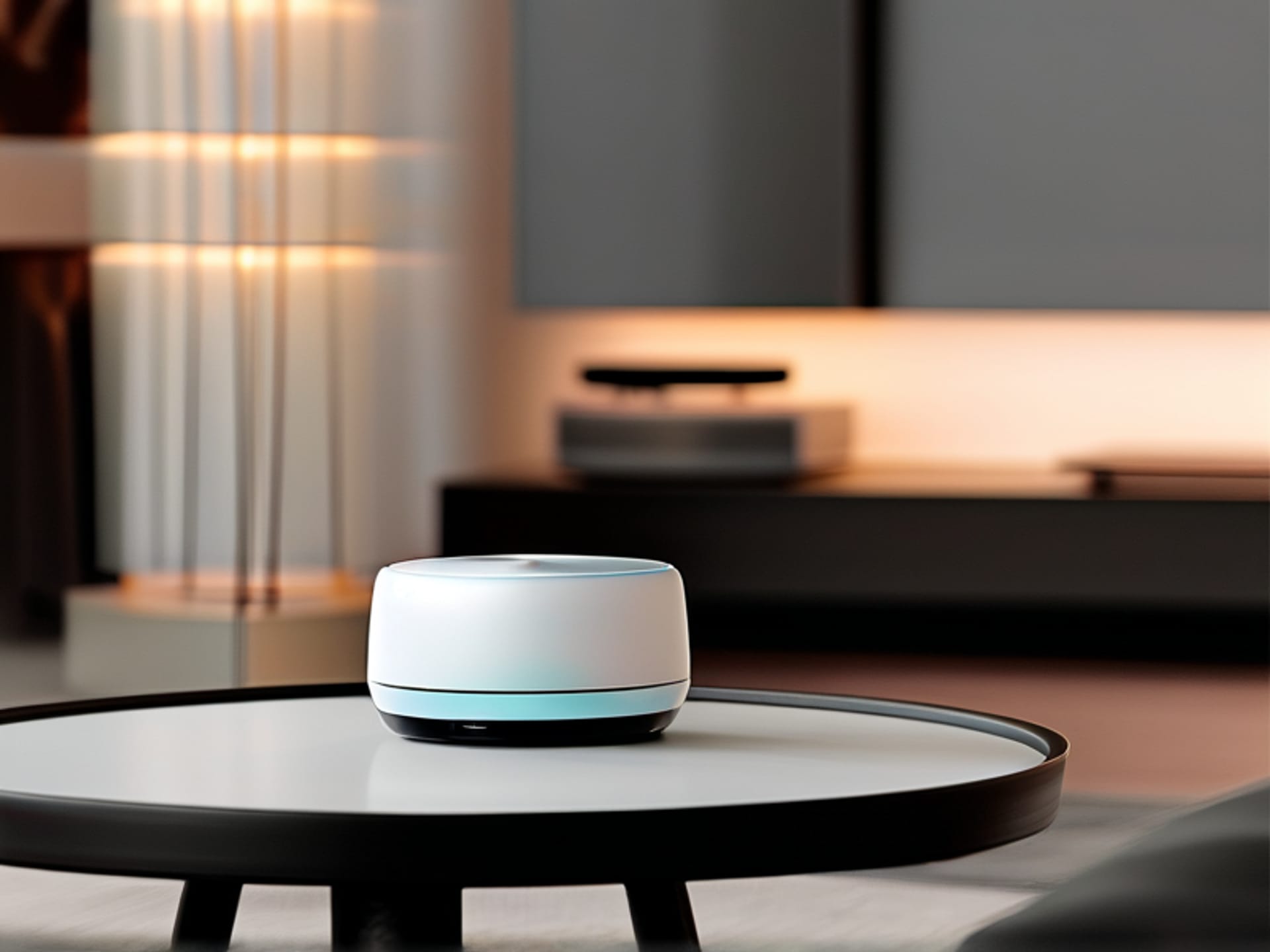
All those devices are talented musicians. But they're playing different songs. The smart home hub is the conductor. It speaks all their weird little languages (Zigbee, Z-Wave, Matter, whatever) and gets them to play in harmony. A single command from you—a tap, a voice prompt, even an automated schedule—tells the hub what to do. The hub then turns and barks orders at all the right devices, all at once. Your hand leaves your pocket. No phone required. That's the shift. You stop talking to *things*, and start talking to your *house*. The hub listens. Your house obeys. Suddenly, it feels smart.
Compatibility is King (And Your First Question)
Hold up. Before you buy the shiniest hub, you need an answer to *the* most important question: What does it talk to? This is the only thing that matters. Check the box. Visit the website. It'll list "Works with..." Apple Home, Google Home, Alexa. More importantly, it lists the *wireless protocols*: Thread, Matter, Zigbee, Z-Wave. Here's the fast rule: If your current and future gadgets mostly use Wi-Fi and Bluetooth, a smart speaker like a Google Nest or Amazon Echo might be enough. But if you’re getting serious—with sensors, secure locks, or tons of bulbs—you want a hub that speaks Zigbee or Z-Wave. They form their own mesh network, which is more reliable and doesn't clog your Wi-Fi. Think of compatibility as the guest list. Get it wrong, and half your gadgets are left standing outside.
Head-to-Head: The Major Players on the Field
Okay, down to brass tacks. Who are the main contenders? The Big Tech Trio (Google, Amazon, Apple) are the easy button. A Nest Hub, Echo, or HomePod. If you live in their world already (Android, Alexa, iPhone), it's a no-brainer. They control your Wi-Fi/Bluetooth stuff with voice, and handle routines. Simple. But they hit a wall with advanced gear. Enter the Specialists. Samsung SmartThings is the veteran. It's powerful, works with nearly everything, and isn't picky about your phone brand. Hubitat Elevation is for the tinkerer who wants no cloud, ultra-fast local control, and doesn't mind a bit of setup. Then there's the New Kid: Matter. This isn't a hub, it's a language. A new universal standard that *any* hub or device can use. It's the future promise of "just works" compatibility. Any hub that supports Matter is a good bet for the long game. Your move depends on your appetite for tinkering versus tapping.
From "Cool Tricks" to True Automation: Making It *Live*
So you've got the hub. The apps are gone. Now the real fun begins. This is where a smart home stops being a party trick and starts being... clever. It's about building *scenes* and *routines*. Not just "Hey Google, turn on the lights." Try "Goodnight." One command (or even better, a schedule or sensor) that locks the doors, turns off all the lights, arms the security system, and sets the thermostat to 68. Or "I'm Home" that turns on the entryway light, disarms the alarm, and starts a playlist. The hub makes this possible because it sees everything. It can say, "When motion is detected in the hallway *after* sunset, turn on the hall light for 2 minutes." The house starts to anticipate you. You stop giving orders. You start living in a home that simply reacts.
That's it. That's the shift. The goal was never more control. It was less. Less thinking, less tapping, less friction between you and the comfort you wanted in the first place. Ditch the Swiss Army knife approach. Get a conductor. Then sit back, and let the house play your song.