Your Dry Air is Making You Dumb and Moody. Here's the Fix.

You ever have one of those days where your brain feels like it's wrapped in sandpaper? Tired, foggy, maybe a little more irritable than usual? You might blame your boss, your significant other, or the general state of the world. But have you checked your air? Seriously. Bone-dry air isn't just uncomfortable for your skin and sinuses—it’s a direct hit on your ability to think clearly and stay calm. Low humidity zaps your energy. Static electricity goes from annoying to maddening. And your sinuses turn into the Sahara, making you more susceptible to feeling lousy. This isn't just woo-woo; it's basic physiology. Smart humidifiers are the answer. They automate the process of getting your indoor air to that sweet spot of 40-60% humidity without you having to think about it. They're not just for winter anymore. And they're the foundation for everything else we're about to talk about.
Set It and Forget It: The Bliss of Automated Humidity
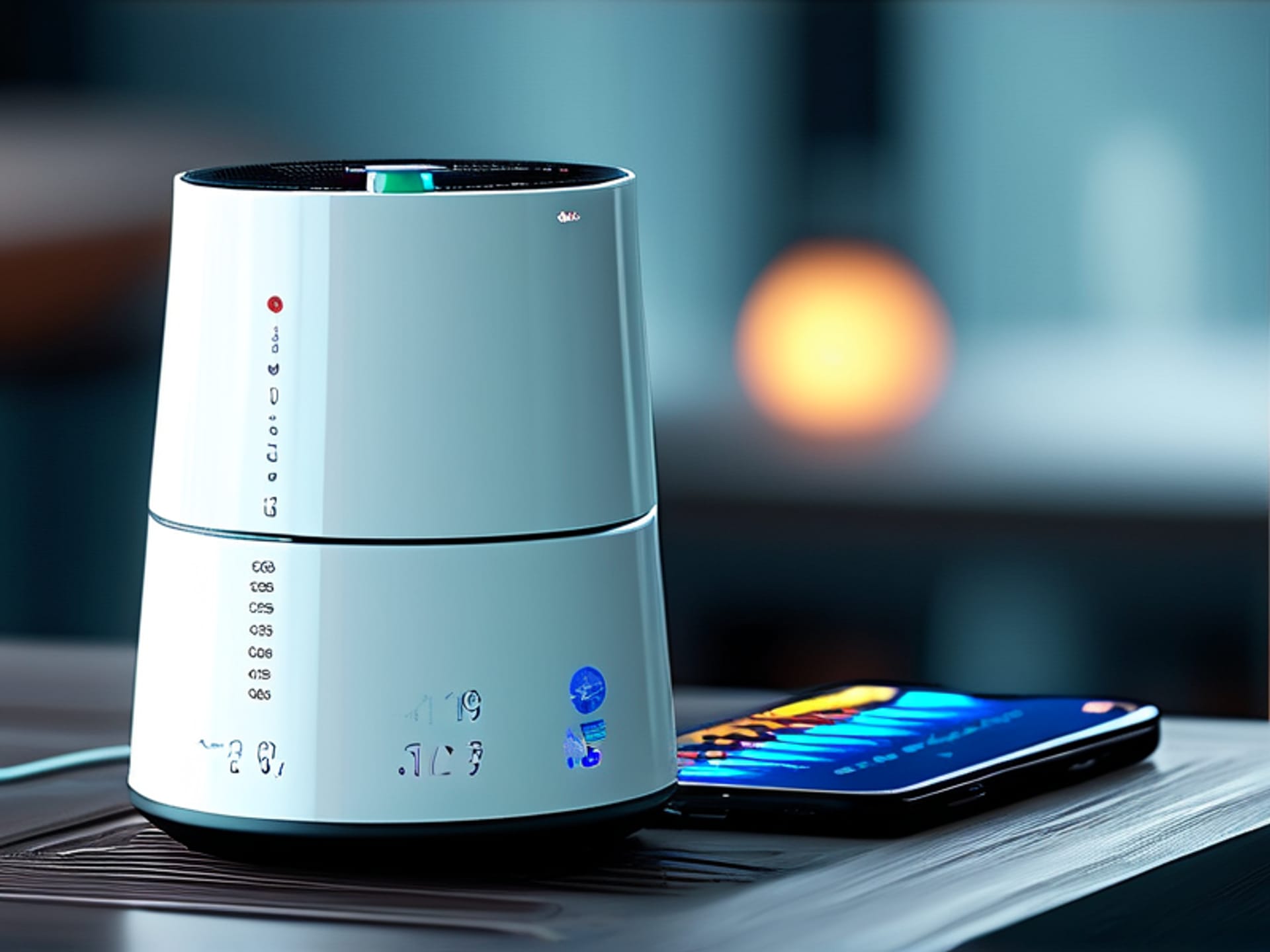
Here’s the thing about the old-school humidifiers: they were a pain. Fill them up, turn them on, and hope for the best. They'd either make a creepy gurgling noise or shoot out a wet, chalky dust that coated your furniture. Not helpful. Smart humidifiers? They’re the opposite. You connect them to your phone and set your perfect humidity level. The device has sensors that monitor things in real-time. Too dry? It kicks on gently. Perfect? It stops. Forget about constantly refilling a tank; the good ones will send you a nudge when they need water. It’s about removing friction. You want your environment to support your well-being, not become another annoying task on your mental to-do list. This is automation for your actual health.
More Than Just a Pleasant Aroma: Scents for Your Brain Chemistry
Now we layer in the good stuff: scents. And no, I’m not talking about a strong, synthetic "air freshener" smell that gives you a headache. I’m talking about real essential oils, dispersed through that perfectly humidified air by a smart diffuser. This is where it gets interesting. Your sense of smell is hardwired directly to the limbic system—the part of your brain that handles emotion, memory, and behavior. Breathing in certain scents can be like hitting a direct keyboard shortcut to a mental state. Feeling stressed? Lavender. Need to concentrate? Peppermint or rosemary. Trying to wind down after a long day? A touch of sandalwood or frankincense. Memory care facilities use this science for a reason: familiar, calming scents can reduce anxiety and agitation. The smart diffuser lets you schedule these sessions. 8 AM: invigorating citrus for the start of the workday. 8 PM: a calming blend to cue your body for sleep.
Safety First: A Quick Word on Doing This Right
Okay, real talk for a second. Because I care and I don’t want your couch getting moldy. More humidity is good, but too much is a problem. That’s why the smart part is key—it prevents over-humidifying. Aim for that 40-60% range. Keep water reservoirs clean to prevent nasties from growing and being sprayed into the air. Use high-quality, pure essential oils if you're diffusing, and less is more. A few drops will do. Certain oils aren't safe for pets, so do your homework if you have furry friends. This isn’t complicated, but it’s the difference between a tool that helps and a tool that causes more issues.
The Takeaway? Stop Ignoring Your Air
We spend so much time and money optimizing our diets, our workouts, our meditation apps. But we ignore the very air we breathe for 90% of our lives. That’s a mistake. Treating your air isn’t a luxury anymore; it’s a basic part of cognitive self-care. A smart humidifier fixes the foundation. Adding a smart diffuser gives you active control over the atmosphere of your space—and by extension, your mind. You can literally program your environment to help you focus, sleep, or relax. You tell me that’s not cool. The best part? Once you set it up, it just works. In the background. Making your space—and your brain—a little bit better. My sleep has never been better. Just saying.