The MVP of Smart Savings: Your Thermostat Gets a Brain
![[Midjourney/SD Prompt: Hyper-realistic photo, daylight. A modern, sleek smart thermostat (like a Nest or Ecobee) with its display showing a gentle green leaf icon and a daily energy savings chart. It’s mounted on a clean, textured wall in a cozy, sunlit living room. The scene feels peaceful and intelligent. --ar 16:9 --style raw]](images/dde8fa19c6b95c7eb95730f0a19476c2.jpg)
Look, let's be real. Heating and cooling your home is not cheap. It's probably the biggest drain on your power bill. The old-school thermostat? It's either on or off. You forget to adjust it, you blast the AC while you're at work for eight hours, money just flies out the window. Here's the thing: a smart thermostat stops that madness. It learns your schedule. It knows when you're home, when you're asleep. It can even sense when you've left the house and dial things back automatically. The numbers don't lie—people commonly shave 10-15% off their heating bill and 15% off cooling. On a $200 monthly bill, that's $30 bucks back in your pocket. Every. Single. Month. The device pays for itself in the first year, maybe two, and then it's just profit.
Stop the Drip, Save Your Wallet (And Your Floor)
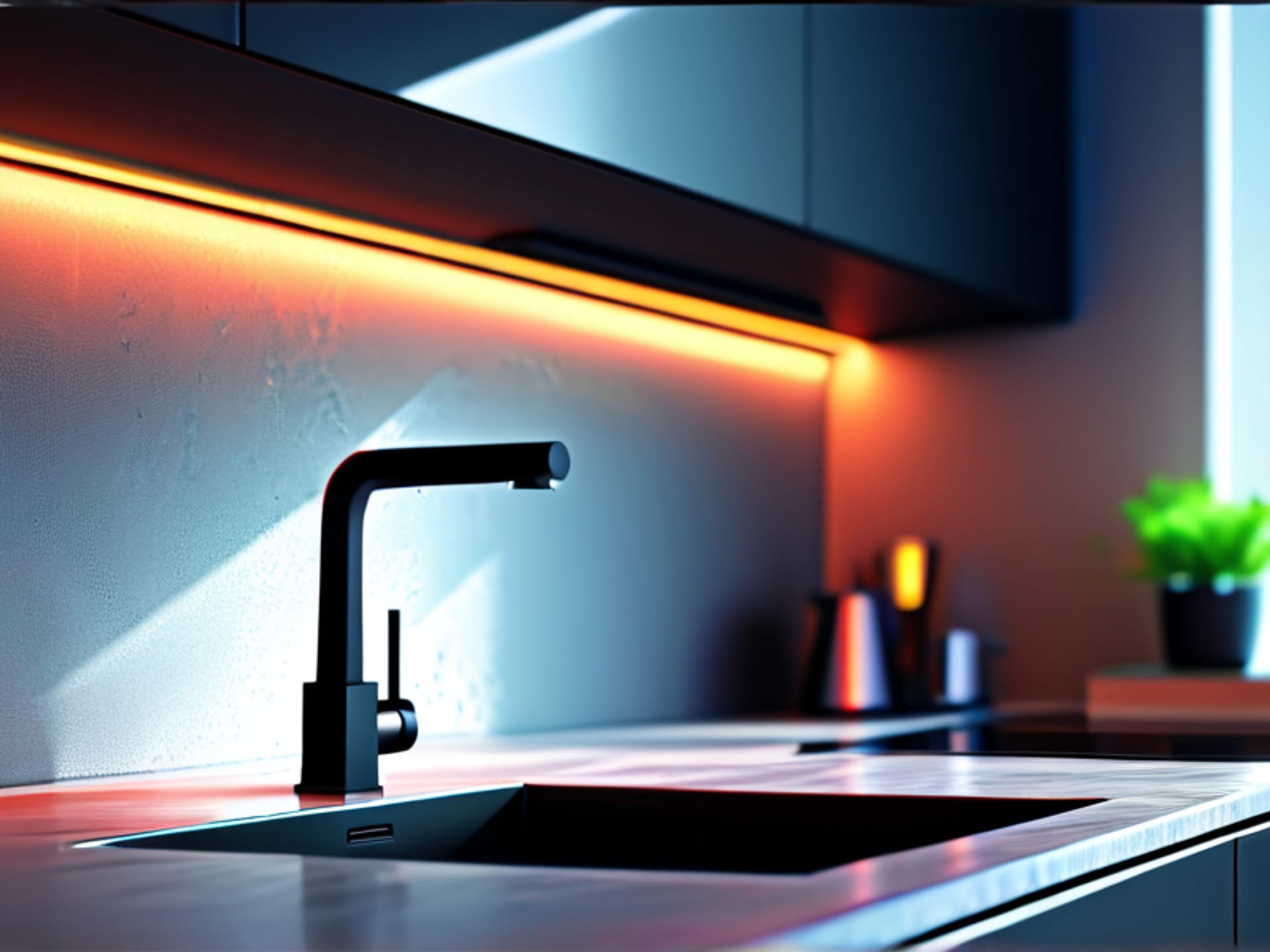
This is the one nobody thinks about until it's too late. A leaky toilet can waste 200 gallons a day. A burst washing machine hose? That's a $10,000 insurance claim waiting to happen. A smart water monitor is like having a 24/7 plumber in your main water line. It tracks flow rates in real time. If you leave a faucet dripping or a toilet running, it pings your phone. "Hey, your bathroom just used 10 gallons of water for no reason." If it detects a catastrophic leak—a pipe bursts at 2 AM—it can automatically shut off your home's main water supply before your basement turns into a swimming pool. The ROI here isn't just on your water bill (though you'll save there). It's on preventing absolute disaster. Peace of mind that pays for itself the first time it catches a problem.
Lighting You Don't Have to Think About
We've all done the walk-through. Checking every room because someone, maybe you, left a light on. It's a tiny waste that adds up. Smart bulbs and plugs? They're stupidly simple. But the magic is in the automation. Set them to turn off when you leave the house. Have lamps fade on at sunset. Put the porch light on a schedule. Pair them with motion sensors so the pantry or garage light is only on when you're actually in there. The actual energy savings from switching to LEDs is solid. But the behavioral savings—never wasting electricity on an empty room again—is where the real win is. You stop thinking about it. The house just handles it. And your bill gets a little lighter.
The Unseen Hero: Your Power-Hungry Appliances
Your TV, your game console, your fancy coffee maker with the digital clock. They're phantom load vampires, sucking power even when "off." A smart plug with energy monitoring blows the whistle on them. Plug your entertainment center into one. You'll see the real-time wattage. More importantly, you can set it to kill all power to that strip at 1 AM and restore it at 6 PM. Zero phantom drain. Do this for a few key culprits, and you're looking at maybe 5-8% off your electric bill for almost no effort. It's not glamorous tech. But it's the kind of boring, behind-the-scenes automation that puts real money back in your account without you lifting a finger.
It's Not Just About the Money (But the Money's Good)
Here’s the final kicker. When you start seeing the savings on your utility dashboard, something shifts. You become aware. You realize leaving that extra bathroom fan on for hours actually costs something. That awareness? It changes other habits. Maybe you run the dishwasher at night during off-peak hours because your smart plug showed you the cost difference. The tech gives you control and data you never had before. The ROI is there in black and white on your bills. But the real payoff is ditching the nagging feeling that your house is secretly bleeding you dry. You're not just saving cash. You're buying back a little peace of mind. And that's worth every penny.