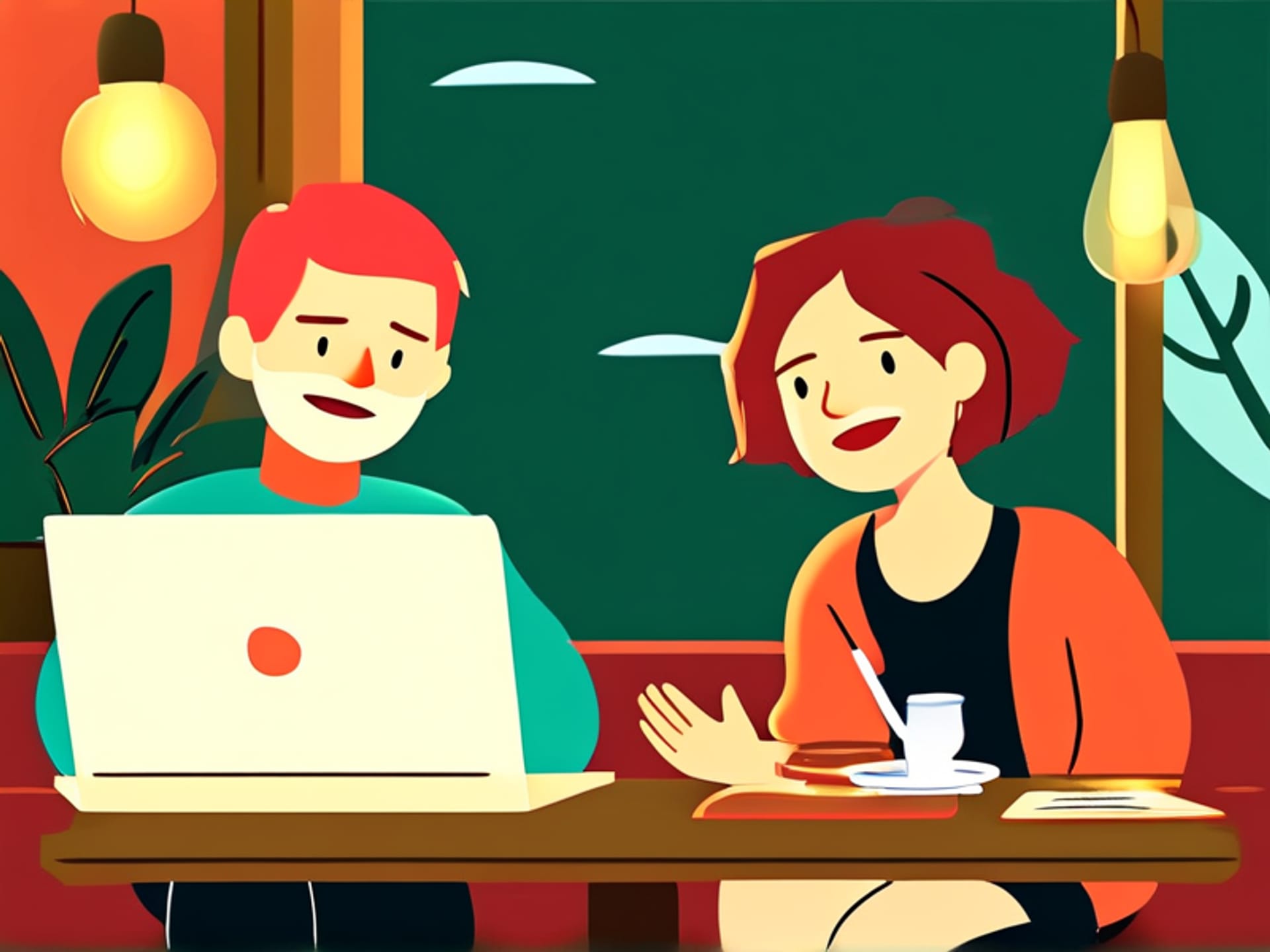
Fear in Fourth Period is a Real Thing

Let's be real. When the teacher asks a question, it feels like the room gets ten degrees hotter. Your throat goes dry. The "right" answer you were so sure of five seconds ago evaporates. You look at your desk like it holds the secrets of the universe. Been there. Honestly, still get a flutter sometimes. That fear isn't a sign you're dumb or unprepared—it's just your brain screaming "ATTENTION! PUBLIC SCRUTINY POSSIBLE!" We're wired for that. But sitting in that fear every single class? That's exhausting. And it's robbing you of your own education.
Your Voice is Already Worth Hearing

Here's the thing nobody tells you in the moment: The class doesn't need you to be perfectly eloquent. They don't need a TED Talk. They need, *at most*, two clear sentences. A simple observation. A "I think what Maria said connects to the reading because..." That's it. You're not giving a verdict on national policy. You're just adding a piece to the puzzle. Most of your classmates are probably just relieved you spoke up, so they feel less pressure. Your professor? They live for this stuff. A student engaging with the material is their entire job satisfaction. It's a win-win, even if your voice shakes a little.
The Pre-Participation Power Move
Okay, so how do you stop freezing? You have to rig the game in your favor. Don't just passively read. *Read with a weapon.* Before class, look at the material and force yourself to write down ONE question or ONE connection to last week's topic. Just one. Now you have an ace up your sleeve. When discussion starts, you're not hunting for something profound; you're just waiting for the right moment to play your card. "I was confused about the part on page 42..." or "This reminded me of the concept we covered Tuesday..." Boom. You've participated. It was planned, it was safe, and it was genuinely helpful. Do this twice. Suddenly, the ice is cracked.
When You Don't Know the Answer (The Secret)
What if you get called on and your mind goes blank? This is the master strategy. You don't have to have the answer. You can *think about the answer*. Instead of a panicked "I don't know," try: "Can you rephrase the question?" or "I'm not sure about X, but I think it might relate to Y..." or even "I need a second to think that through." This isn't dodging. This is showing you're engaged in the *process of thinking*. It’s respectful and smart. Most teachers would take an honest "I'm working on it" over a silent stare any day. Turns a moment of fear into a demonstration of intellectual maturity.
Start Small, Then Own the Room
Confidence is a muscle. You don't walk into the gym and bench press 300 pounds. You start with the bar. Your first goal isn't to lead the seminar. It's to say one thing this week. Next week, maybe two things. Maybe you agree with someone and say why. The goal is to prove to yourself that the world doesn't end when you speak. It actually continues, often better than before. Every time you do it, you're rewriting that primal fear script in your brain. It gets quieter. Your voice, literally and figuratively, gets stronger.