A Complete Guide to the Great Wall of China: Sections, Hikes, and Tips
I stood on the ramparts of the Jinshanling section at 6:00 AM, looking east toward a watchtower perched on a jagged ridge, and understood for the first time why the Great Wall of China is considered one of humanity's greatest architectural achievements. The wall snakes across mountain ridges as far as the eye can see, disappearing into mist in both directions, and the scale is so vast that photographs cannot capture it. I spent four days exploring different sections, hiking over 30 kilometers of wall in total, and this Great Wall of China guide covers everything from the easiest tourist access points to the wild, unrestored sections where you will not see another soul for hours.
The Great Wall stretches over 21,000 kilometers across northern China, though much of it is crumbled or buried. The sections accessible from Beijing -- built mostly during the Ming Dynasty (1368-1644) -- are the most visited and best preserved. Choosing which section to visit is the single most important decision you will make. Badaling, the closest to Beijing, receives up to 80,000 visitors per day in peak season. I avoided it entirely and you probably should too. The sections below offer far better experiences with manageable crowds.
Mutianyu section guide
Mutianyu is the best section for first-time visitors who want an authentic Great Wall experience without the extreme crowds of Badaling. Located about 70 kilometers northeast of Beijing, it takes roughly 1.5 hours to reach by car. I booked a driver through my hostel (Beijing Downtown Backpackers) for 400 yuan ($55) round trip, which included two hours of waiting time at the wall. Public buses also run from Dongzhimen station for about 12 yuan ($1.65) each way, but the journey involves a transfer at Huairou and takes closer to 2.5 hours.
The Mutianyu section features 2.5 kilometers of restored wall with 22 watchtowers, and it is notably less crowded than Badaling even on weekends. I visited on a Wednesday in October and counted maybe 200 other people spread across the entire section. The wall here is steeper than you might expect -- the stairs between watchtowers are uneven and sometimes rise at a 45-degree angle. Take your time and use the handrails. The cable car (round trip 120 yuan, about $16) saves you a 20-minute uphill hike to the wall and is worth the cost if you want to maximize your time on the wall itself.
The toboggan ride down is the highlight for many visitors, and honestly, it is absurdly fun. For 80 yuan ($11), you ride a metal sled down a winding track through the forest for about three minutes. I screamed like a child the entire way down and have zero regrets. The exit deposites you near the parking area and souvenir stalls. A bottle of water at the wall costs 10 yuan ($1.40), and there is a small restaurant near the cable car station serving basic noodles for 25 yuan ($3.40).
Jinshanling to Simatai hike
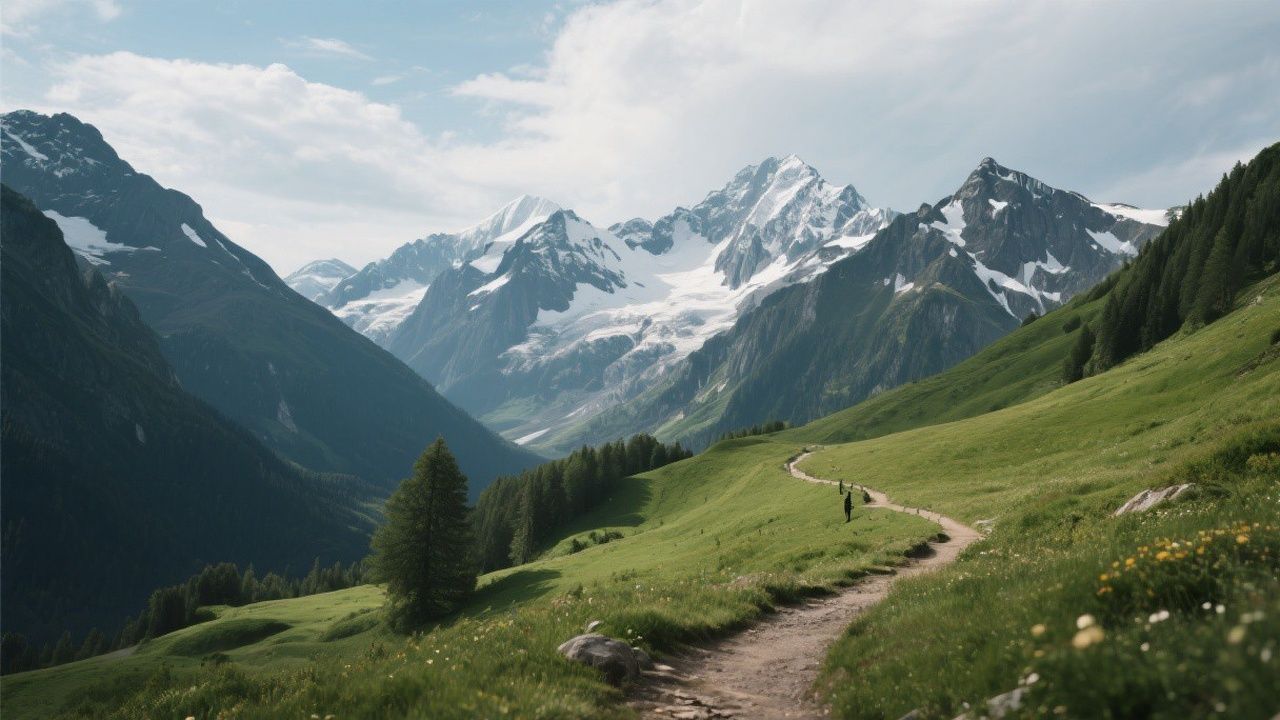
The Jinshanling to Simatai hike is the most rewarding day hike accessible from Beijing, covering roughly 10 kilometers of wall with dramatic scenery and varying levels of restoration. Jinshanling is partially restored with some original stonework, while the eastern portion toward Simatai is wilder and more rugged. I started at the Jinshanling entrance at 7:00 AM and reached the Simatai exit by 1:00 PM, including plenty of stops for photography and rest.
The entrance fee for Jinshanling is 65 yuan ($9), and the Simatai section requires a separate ticket of 40 yuan ($5.50). I hired a taxi from my Beijing hotel for 600 yuan ($82) round trip, which dropped me at Jinshanling and picked me up at Simatai. The hike itself is moderately strenuous -- you will climb steep stairs, scramble over loose stones in unrestored sections, and navigate sections where the wall is only two feet wide with drop-offs on both sides. Bring at least 2 liters of water and snacks. I carried a backpack with four bottles of water, two energy bars, and a sandwich, and I finished every drop.
The scenery is extraordinary. The wall here follows the contour of steep, forested ridges, and watchtowers appear at regular intervals, each offering a slightly different perspective. My favorite stretch was between towers 14 and 18, where the wall is unrestored and the original brickwork is visible, with trees growing through cracks and sections of parapet collapsed into the valley below. I sat in tower 16 for 20 minutes, eating my sandwich and watching a hawk circle below me, and did not see another person the entire time. This is the Great Wall experience most tourists never get.
Jiankou wild wall section
Jiankou is not for the casual tourist. This section is entirely unrestored, officially closed to the public, and involves genuine risk -- there have been fatalities here. I hired a guide through Great Wall Adventures (800 yuan, about $110 for a full day) and signed a liability waiver before starting. The approach hike through farmland took 45 minutes, and the wall itself was a challenging scramble over loose bricks, collapsed sections, and steep inclines with no handrails. My guide carried a rope and used it on two particularly treacherous spots.
The reward is the most photogenic section of the entire Great Wall. The "Sky Stairs" -- a near-vertical ascent where the wall climbs a 45-degree rock face -- and the "Nine-Eye Tower" with its nine observation windows are iconic. The wall here follows impossibly steep ridgelines, and the sense of isolation is profound. I saw three other people in five hours. The brickwork is original Ming Dynasty construction, and the way the wall adapts to the terrain -- sometimes climbing straight up cliffs, sometimes wrapping around boulders -- is an engineering marvel.
I cannot overstate the importance of going with a guide for Jiankou. The path is unmarked in places, loose bricks shift underfoot, and a wrong turn could lead to a dangerous situation. My guide, a former soldier named Wang, knew every safe handhold and foothold and carried a first-aid kit. If you have hiking experience, reasonable fitness, and a healthy respect for risk, Jiankou delivers an experience that no restored section can match. If you are unsure, stick to Jinshanling.
guided vs independent visit
For Mutianyu and Badaling, independent visits are straightforward. Buy your ticket at the entrance, follow the signs, and explore at your own pace. English signage is adequate, and the paths are well-maintained. I visited Mutianyu independently and had no issues. Total cost including transport, entrance, and cable car was about 530 yuan ($73).
For Jinshanling to Simatai, a guide adds significant value. My guide through Great Wall Adventures (1,200 yuan, about $165, including transport) knew the best photo spots, the quietest routes, and the history behind specific watchtowers. He also carried extra water and knew which sections of the wall were safe to climb and which to avoid. For Jiankou, a guide is non-negotiable in my opinion. For first-timers who want a comprehensive experience, a guided day trip to Jinshanling from Beijing costs 500 to 800 yuan ($69-$110) and typically includes transport, entrance fees, and lunch.
If you are an experienced hiker and comfortable navigating independently, the Jinshanling to Simatai route is manageable without a guide. Download offline maps, carry a physical map as backup, and start early to avoid getting caught on the wall after dark. The wall has no lighting, and the terrain is dangerous in low light. I finished my hike by 1:00 PM and would not want to be out there much past 4:00 PM in autumn when sunset comes early.
Essential Tips to Keep in Mind
- Visit on a weekday if possible. Weekend crowds at Mutianyu and Jinshanling can be three to five times larger than weekday numbers. October is peak season due to National Day holiday -- avoid the first week of October entirely.
- Wear hiking shoes with good grip and ankle support. The wall's stairs are uneven, steep, and sometimes slippery. Running shoes or sandals are a recipe for injury.
- Bring your own water and snacks. Prices at wall vendors are marked up 300 to 500 percent. I carried a 2-liter hydration bladder and three bottles of water for the Jinshanling hike.
- Check the weather forecast and plan accordingly. The wall offers zero shelter from rain, wind, or sun. I wore a wide-brimmed hat, applied SPF 50 sunscreen, and carried a lightweight rain jacket.
- Download a VPN before arriving in China if you need Google Maps, WhatsApp, or Instagram. The Great Firewall blocks all of these. I used Astrill VPN ($10 per month) and it worked reliably.
Frequently Asked Questions
Which section of the Great Wall is best?
Mutianyu is best for first-timers wanting a comfortable experience. Jinshanling to Simatai is best for hikers wanting a full-day adventure. Jiankou is best for experienced hikers wanting the most dramatic, uncrowded scenery. Badaling is best avoided unless you are on a tight schedule and need the closest section to Beijing.
Can you hike the entire Great Wall?
Technically yes, but it would take months and require serious expedition planning. Most of the wall is in remote areas with no infrastructure. The sections near Beijing offer the most accessible hiking, and the Jinshanling to Simatai route is the most popular multi-hour hike.
How much does it cost to visit the Great Wall?
Entrance fees range from 40 to 65 yuan ($5.50-$9) depending on the section. Add cable car or toboggan fees (80-120 yuan), transport from Beijing (12-600 yuan depending on mode), and food. A budget day trip to Mutianyu costs about 200 yuan ($27); a full Jinshanling guided hike costs 500 to 1,200 yuan ($69-$165).
Final Thoughts
The Great Wall of China is one of those rare landmarks that genuinely exceeds expectations. Standing on the ramparts at Jinshanling, watching the wall disappear into the mountains in both directions, I felt a connection to the millions of workers who built it over centuries. My advice for Great Wall hiking is simple: skip Badaling, give yourself at least a full day, and if you have the fitness and the nerve, get to Jiankou. The wild wall is where the magic lives. Just bring good shoes, lots of water, and a healthy respect for the terrain.