How to Explore Vietnam's Ha Long Bay on Any Budget
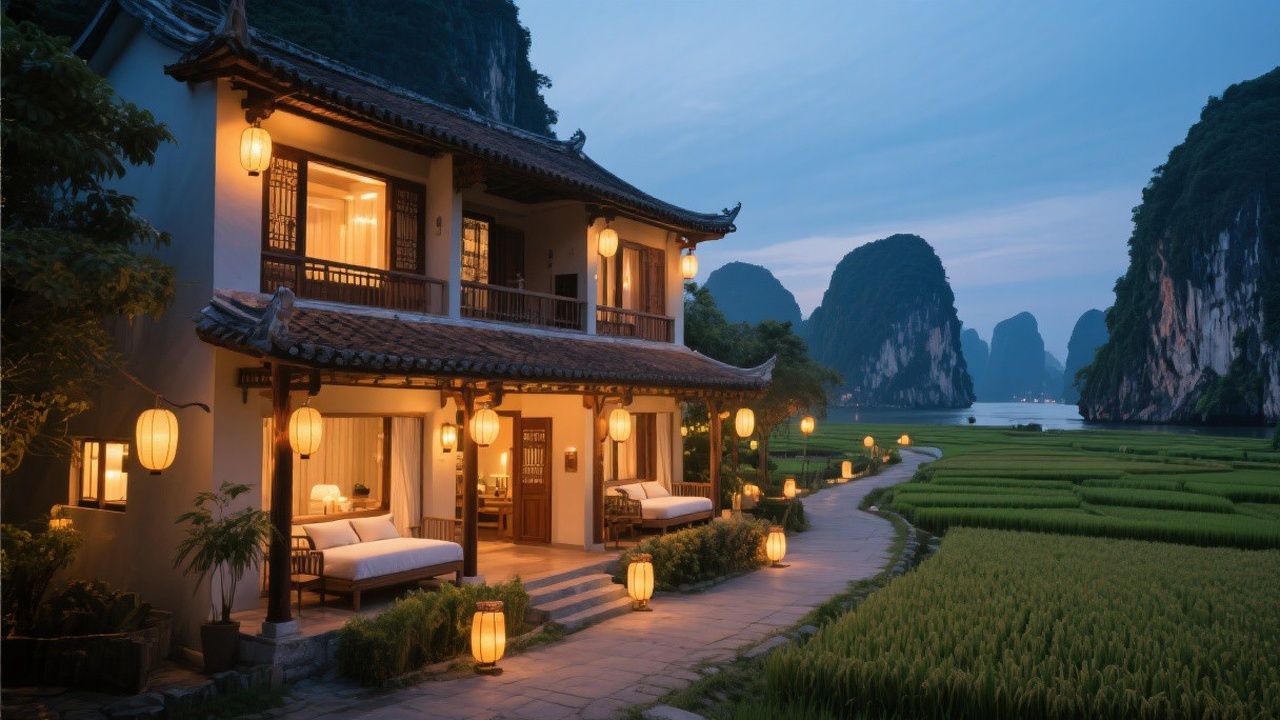
The first time I saw Ha Long Bay from the deck of a boat, I understood why the Vietnamese call it "the descending dragon." Limestone karsts rose straight out of the emerald water like the teeth of some enormous creature, their peaks shrouded in mist. The bay covers 1,553 square kilometers and contains roughly 1,600 islands and islets, most of them uninhabited. It is one of those places that makes you feel very small in a very good way. But Ha Long Bay is also one of Vietnam's most heavily touristed destinations, and the difference between a magical experience and an overcrowded disappointment comes down to a few key decisions: which bay you visit, what kind of boat you book, and how long you stay. This Ha Long Bay guide covers Vietnam cruise tips and Ha Long Bay budget strategies that come from multiple visits across different seasons.
Getting to Ha Long Bay
Ha Long Bay is located about 160 km east of Hanoi. The most common approach is to book a cruise package that includes round-trip transportation from Hanoi's Old Quarter. Most cruise companies operate shuttle buses that depart around 7:30-8:30 AM and arrive at the harbor by noon. The drive takes about 3.5 hours on the new Hanoi-Ha Long Expressway. If you prefer to travel independently, limousine buses operated by companies like Hai Phong Limousine run direct routes for 250,000-350,000 VND ($10-15 USD) per person. Alternatively, seaplane service operated by Hai Au Aviation flies from Hanoi to Ha Long Bay in 45 minutes for about 3,500,000 VND ($145 USD) one way.
1-Night vs 2-Night Options
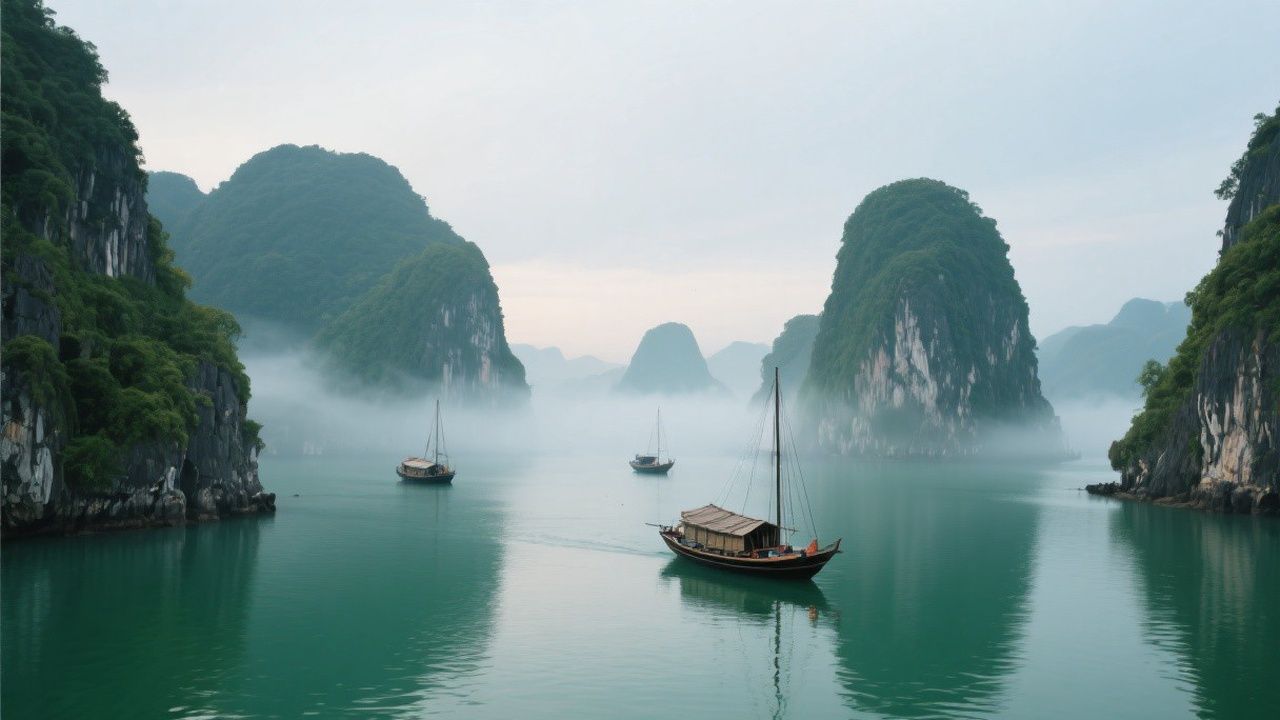
I strongly recommend the two-night option if your schedule allows. One-night cruises all follow essentially the same itinerary: board at noon, sail through the central bay, visit a cave, kayak for an hour, and disembark by 11 AM the next morning. It is pleasant but rushed and crowded. The two-night cruises venture into less-visited areas on the second day. On my Bhaya Legend two-night cruise, we sailed south to Lan Ha Bay and kayaked through a narrow tunnel into a hidden lagoon surrounded by towering karsts. For two hours, we did not see another boat. That afternoon was the highlight of my entire two weeks in Vietnam.
Budget one-night cruises on companies like Red Dragon or V'Spirit start at about $80-120 per person. Mid-range options like Bhaya Classic run $150-250 per person. Luxury cruises on vessels like Paradise Elegance cost $300-500 per person. Two-night cruises typically cost 1.6 to 1.8 times the one-night rate.
What to Pack for the Cruise
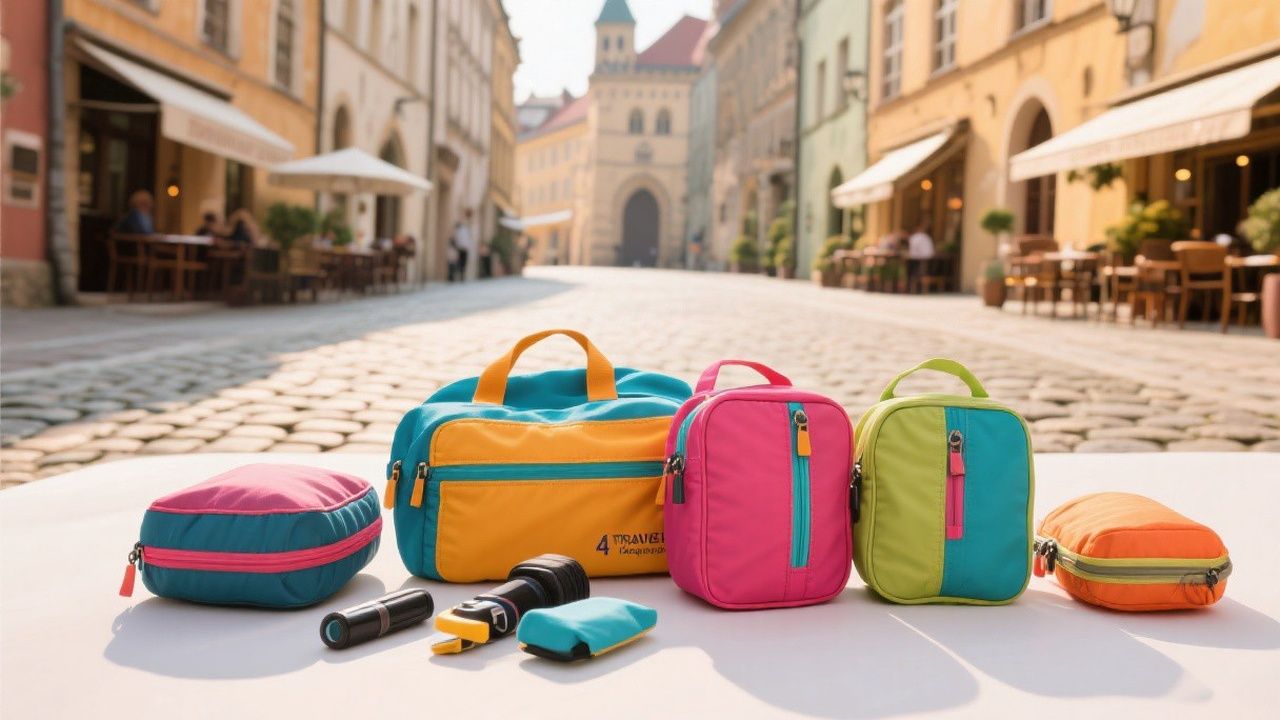
The weather on the bay can change rapidly. Bring layers: a light rain jacket, a fleece or sweater for the evening, and sunscreen for daytime deck time. Most cruises provide towels. Footwear matters because the caves have wet, slippery surfaces with steep stairs. Wear sandals or shoes with good grip. Flip-flops are a bad idea. If you are kayaking, bring water shoes or sandals that can get wet.
Safety Considerations
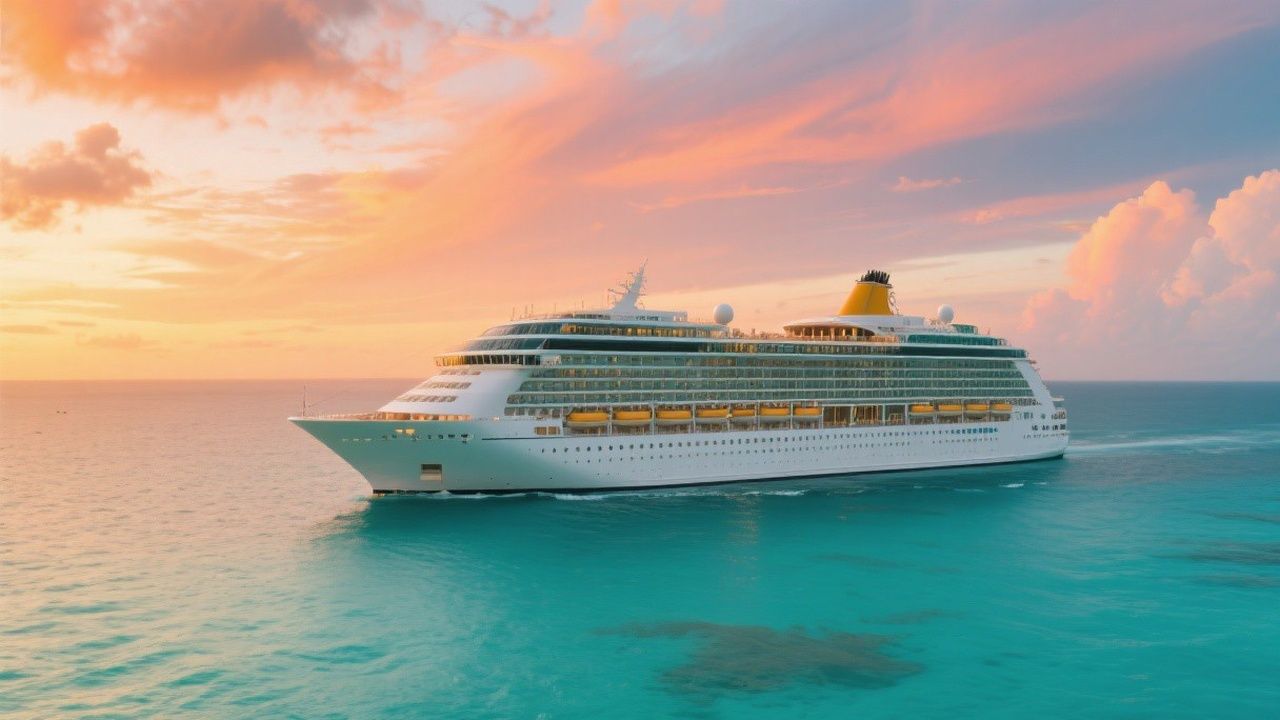
Choose a cruise company with a strong safety record. Look for companies that are members of the Ha Long Bay Management Board and display their safety certification prominently. Bhaya, Indochina Junk, and Paradise Cruises all have strong reputations. Life jackets are mandatory on all tender boats. If your cruise company does not provide them or does not require you to wear them, that is a red flag. Be cautious with valuables — most cabins have small safes, but I keep my passport and cash in a dry bag with me at all times.
The food on a Ha Long Bay cruise is one of the pleasant surprises of the experience. Even on budget boats, the meals are generous and varied. A typical lunch includes steamed fish, stir-fried vegetables, spring rolls, rice, and fresh fruit. On my Bhaya cruise, the chef prepared a whole grilled grouper that was caught that morning, and it was one of the best fish dishes I have had in Vietnam. If you have dietary restrictions, inform the cruise company at the time of booking. Most can accommodate vegetarian, vegan, and gluten-free diets with advance notice, though the options will be more limited than what you would find in Hanoi or Ho Chi Minh City.
One detail that many travelers overlook is the overnight experience on the boat. The karsts are lit up at night, and sitting on the top deck in the dark, listening to the water lap against the hull and watching the silhouette of limestone peaks against the stars, is one of the most peaceful moments you will have in Vietnam. Bring a light jacket for the evening, even in summer. The temperature drops noticeably after sunset on the water, and the sea breeze can be chilly.
Essential Tips to Keep in Mind
- Consider Lan Ha Bay or Bai Tu Long Bay as alternatives. These adjacent bays offer the same dramatic limestone scenery with a fraction of the tourist traffic.
- Book at least 2-3 weeks in advance during peak season (October-April). The best mid-range and luxury cruises sell out weeks ahead.
- Negotiate the price if booking in person at a travel agency in Hanoi's Old Quarter. Many agencies will offer 10-20% discounts if you ask.
- Bring cash in Vietnamese Dong for tips and incidentals. Tips for the crew are typically $10-15 per person for a one-night cruise and are expected in cash.
- Avoid visiting during the Tet holiday (late January or early February). Domestic tourism surges, prices increase by 30-50%, and the bay becomes extremely crowded.
Frequently Asked Questions
Is Ha Long Bay worth visiting despite the crowds?
Absolutely, but choose wisely. A budget one-night cruise on a weekend during peak season will feel crowded. A two-night cruise that visits Lan Ha Bay or Bai Tu Long Bay offers a genuinely magical experience with far fewer tourists.
Can I visit Ha Long Bay as a day trip from Hanoi?
Technically yes, but I do not recommend it. A day trip means 7 hours of driving for about 4 hours on the bay. Even a one-night cruise is dramatically better.
Is the food on the cruise good?
On mid-range and luxury cruises, the food is surprisingly good. My Bhaya cruise served fresh seafood, Vietnamese dishes, and decent Western options. Budget cruises serve simpler but adequate meals.
Final Thoughts
Ha Long Bay genuinely lives up to the hype. The key to a great visit is giving it two nights instead of one, choosing a cruise that ventures beyond the main tourist corridor, and being willing to pay a little more for quality. The difference between an $80 cruise and a $200 cruise is not just comfort — it is access to quieter bays, better food, smaller groups, and a fundamentally different experience of the landscape.