A First-Timer's Guide to Hiking the Inca Trail to Machu Picchu
Standing at the Sun Gate at 6:15 AM and watching the fog lift to reveal Machu Picchu below is a moment that rewires something inside you. I hiked the classic 4-day Inca Trail in March 2023, and despite months of preparation, nothing truly prepared me for the combination of physical exhaustion, altitude sickness, and raw emotional impact that this trek delivers. The Inca Trail is not a walk in the park. It is a serious multi-day hike at elevation that requires planning, fitness, and a healthy respect for the mountains.
Packing Checklist
Packing for the Inca Trail is an exercise in ruthless minimalism. Your tour operator will provide a duffel bag that porters carry, typically limited to 7 kilograms including your sleeping bag. Everything else goes in your daypack, which you carry yourself. After obsessing over my packing list for weeks, here is what actually mattered: a good sleeping bag rated to at least 15 degrees Fahrenheit, a high-quality rain jacket, and broken-in hiking boots. I brought Merrell Moab 3 boots that I had worn on at least 10 day hikes before the trip. Blisters on the second day, when you are climbing 1,200 meters to Dead Woman's Pass, are not a minor inconvenience. They can end your trek.
My complete packing list included: two quick-dry hiking shirts ($35 each from Patagonia), one pair of hiking pants with zip-off legs ($65 from Columbia), three pairs of Darn Tough merino wool socks ($22 per pair, worth every penny), a fleece midlayer, a down jacket for cold nights at camp, a headlamp with extra batteries, a 2-liter hydration bladder, sunscreen SPF 50, insect repellent, wet wipes, and toilet paper. I also packed a small first-aid kit with ibuprofen, altitude sickness pills (Diamox), bandages, and electrolyte tablets.
Choosing a Tour Operator

The Peruvian government strictly controls access to the Inca Trail, and you cannot hike it independently. You must go through a licensed tour operator, and only 500 people per day are allowed on the trail, including guides and porters. This means permits sell out months in advance, sometimes up to six months ahead for peak season (May through September). I booked with Alpaca Expeditions in November for a March departure and paid $750 per person for a 4-day, 3-night group tour including a guide, cook, porters, all meals, camping equipment, and the permit.
There are roughly 200 licensed operators, and the quality varies enormously. I researched extensively on TripAdvisor and the r/Peru subreddit before choosing Alpaca Expeditions, and I was impressed with their treatment of porters. Porters on the Inca Trail carry up to 25 kilograms for as little as $30 per day, and many operators exploit them shamefully. Alpaca Expeditions pays their porters a fair wage, provides proper equipment, and limits loads to 20 kilograms. Supporting ethical operators is not optional, it is a responsibility.
Alternative Treks to Consider
If Inca Trail permits are sold out or you want a less crowded experience, several alternative treks deliver similar scenery without the logistical headaches. The Salkantay Trek is the most popular alternative, a 5-day hike that approaches Machu Picchu from a different direction and reaches a higher altitude of 4,600 meters at the Salkantay Pass. I met a couple in Cusco who completed the Salkantay Trek for $400 through a local operator, and their photos of Humantay Lake were absolutely stunning. No permits are required, making it easier to book last-minute.
The Lares Trek is a 4-day route through Quechua communities that offers cultural immersion rather than Inca ruins. It is less physically demanding than the Inca Trail, with a maximum elevation of 4,400 meters, and costs between $400 and $600. You will not see the same density of archaeological sites, but the hot springs at Lares on the final day are a spectacular reward.
4-Day Trail Breakdown
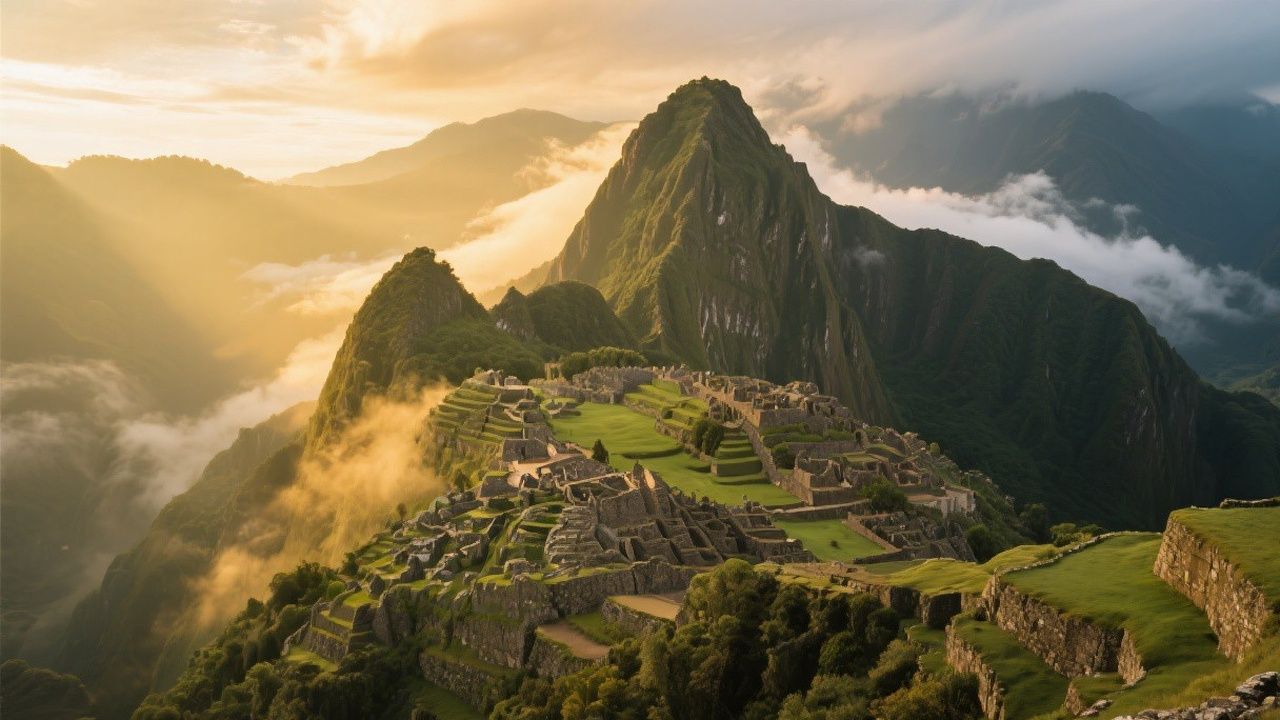
Day one is relatively easy, a gentle 12-kilometer hike along the Urubamba River with an elevation gain of only 300 meters. You will pass the Inca sites of Llactapata and enjoy a warm-up that lulls you into a false sense of security. Our guide, a Cusco native named Edwin who had hiked the trail over 500 times, told us to enjoy the easy start because day two would humble us. He was not exaggerating.
Day two is the hardest day by a wide margin. You climb 1,200 meters to Dead Woman's Pass at 4,215 meters, then descend 600 meters to the Pacaymayo campsite. The total distance is only 11 kilometers, but the altitude makes every step feel like you are breathing through a straw. I started Diamox two days before the trek as a preventive measure, and I still had to stop every 50 meters on the final push to the pass. The view from the top is extraordinary.
Essential Tips to Keep in Mind
- Spend at least two full days in Cusco (3,400 meters) before starting the trek to acclimatize. I arrived three days early and still felt the altitude on day two.
- Drink at least 3 liters of water per day during the trek. Dehydration worsens altitude symptoms significantly.
- Bring more snacks than you think you need. Trail mix, chocolate, and energy bars are lifesavers on the long climbs.
- Tip your porters and cook. The recommended total is about 100 to 150 soles per hiker, distributed among the crew.
- Book your Machu Picchu entrance ticket for the afternoon of day four if you want to explore the site after your morning arrival at the Sun Gate.
Frequently Asked Questions
How fit do I need to be to hike the Inca Trail?
You do not need to be an athlete, but you should be able to hike 10 to 15 kilometers with elevation gain on consecutive days. I trained by hiking local trails with a loaded backpack three times a week for two months before the trip.
What happens if I get sick on the trail?
Guides carry first-aid kits and are trained to handle altitude sickness and basic injuries. In severe cases, emergency evacuation by horse is possible from most points on the trail. The cost of evacuation, typically $200 to $500, is usually not included in tour packages, so check with your operator and carry travel insurance that covers high-altitude trekking.
Can I hike the Inca Trail independently?
No. The Peruvian government requires all hikers to be accompanied by a licensed guide and to have a permit. Independent hiking is illegal and you will be turned back at the trailhead.
Final Thoughts
The Inca Trail is one of those rare experiences that lives up to every bit of hype surrounding it. The combination of physical challenge, breathtaking scenery, ancient history, and the emotional payoff of reaching Machu Picchu on foot creates something that stays with you long after you fly home. Prepare properly, choose an ethical operator, respect the trail and the people who maintain it, and allow yourself to be present for every moment.