How to Find the Best Street Art in Cities Around the World
I discovered my first piece of meaningful street art in a laneway in Melbourne, Australia, in 2017. It was a Banksy rat stenciled on a roller door, already partially tagged over, and something about its impermanence and defiance clicked with me in a way that museum art never had. Since then, I have spent hundreds of hours hunting murals, stencils, and wheatpaste posters in cities across six continents. Street art is the most accessible and democratic art form in the world, and it tells you more about a city's culture, politics, and soul than any guidebook chapter ever could. This street art guide covers the best cities, the most reliable finding strategies, and how to explore urban art responsibly.
Best Cities for Street Art
Bogota, Colombia, is the street art capital of Latin America and arguably the world. The city has over 5,000 documented murals, and the quality is extraordinary. The neighborhood of La Candelaria, the historic downtown, is covered floor to ceiling with works by artists like DJ Lu, Stinkfish, and Toxicomano. What makes Bogota special is that street art is not just tolerated but actively supported. After police fatally shot a 16-year-old graffiti artist named Diego Felipe Becerra in 2011, the city decriminalized street art and created legal walls where artists can work without fear of arrest. I took a tour with Bogota Graffiti Tour (free, tips-based, running daily at 10 a.m. and 2 p.m.) and the guide, himself a street artist, explained the political and social context behind each mural. The tour covers about 20 works over two hours and is the single best introduction to the city's scene.
Berlin is the European epicenter of urban art, and the scene there has deep roots in the city's post-wall cultural explosion. The East Side Gallery, a 1.3-kilometer stretch of the Berlin Wall covered in murals, is the most famous concentration, but the real action is in neighborhoods like Kreuzberg, Friedrichshain, and Wedding. I found one of my favorite Berlin pieces, a massive portrait of a woman's face by the artist Alias, on a building facade in Kreuzberg that I stumbled upon while looking for a coffee shop. Berlin's street art is constantly evolving because artists regularly paint over each other's work. A mural I photographed in 2022 was gone by 2023, replaced by something entirely different. That impermanence is part of the appeal.
Melbourne's laneway culture is legendary. Hosier Lane is the most photographed, but it has become so tourist-heavy that many local artists have moved to less visible locations. My Melbourne street art strategy is to start at Hosier Lane for the spectacle, then wander the surrounding laneways: Rutledge Lane, AC/DC Lane, Duckboard Place, and Presgrave Place. These smaller lanes have higher-quality work and almost no crowds. I found an extraordinary three-story mural by the artist Adnate on a building in Cocker Alley that stopped me in my tracks. Melbourne also hosts the annual Melbourne Street Art Festival, which brings international artists to paint new large-scale works across the city every March.
Other cities worth dedicated street art exploration include Lisbon (the Bairro Alto and Mouraria neighborhoods are covered in azulejo-inspired murals), Mexico City (the Roma Norte and Doctores neighborhoods have a thriving scene), and Valparaiso, Chile (the entire hillside city is an open-air gallery with murals on every staircase and building facade). I spent a full day in Valparaiso just wandering uphill through the cerros (hills) and photographing murals, and I left feeling like I had walked through an art museum the size of a city.
Self-Guided Tour Strategies
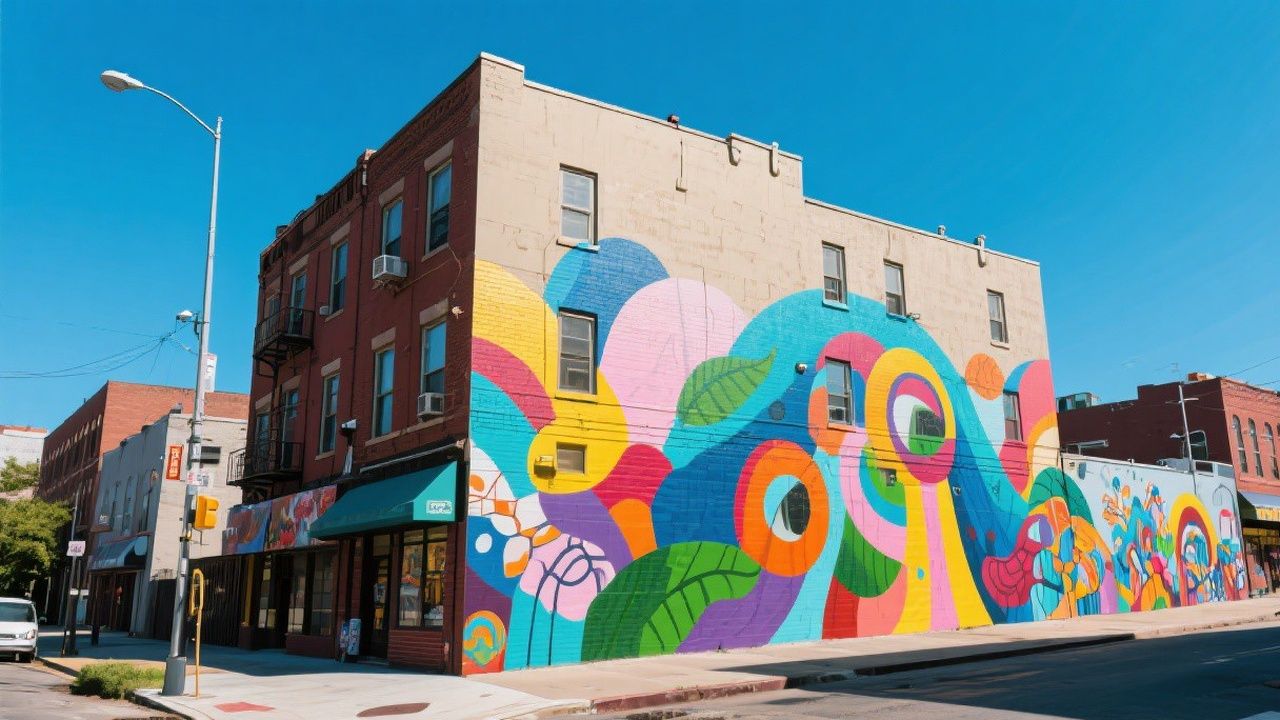
You do not need a paid tour to find great street art. With the right tools and approach, you can build your own routes that are often more rewarding than organized tours. My primary tool is Google Maps, where I save pins for every piece of street art I find or want to visit. Before arriving in a new city, I search "street art [city name]" on Google Maps and save the top 20-30 results as starred locations. This gives me a rough cluster map that I can then organize into a walking route. In Lisbon, this approach led me to a stunning mural by the artist Vhils in the Alfama district that I would never have found otherwise.
Instagram is the most current resource for street art. Search hashtags like #[cityname]streetart, #[cityname]murals, and #[cityname]graffiti to find recently posted works with geotags. I follow local street art accounts in every city I visit: @bogotagraffiti, @berlinstreetart, @streetartmelbourne. These accounts post new works within days of their creation, often before they appear on any map or tour. I also search for individual artists whose work I admire. When I learned the artist ROA was in Santiago, Chile, I found three of his animal murals through Instagram geotags that were not on any tour or map.
Walking is the only way to find street art. You cannot see it from a car or a bus. I dedicate at least one full day per city to walking, specifically in neighborhoods known for creative communities: industrial areas, university districts, and neighborhoods undergoing gentrification. These are the areas where street art thrives because they have available wall space, tolerant property owners, and a community that values creative expression. In Mexico City, the neighborhood of Doctores, a gritty working-class area south of the center, has some of the best murals I have seen anywhere, and I had the streets almost entirely to myself.
Bogota Street Art Scene
Bogota deserves its own section because the depth and quality of its street art scene is unmatched in my experience. The city has a unique ecosystem where graffiti tours are mainstream tourist activities, property owners commission artists to paint their buildings (which reduces tagging and increases property values), and the government provides legal walls in several parks. The Parque Nacional, a large urban park in the center of the city, has dozens of legal walls that are repainted monthly. I visited on a Sunday and watched five artists working simultaneously on different walls, each with a distinct style from photorealistic portraits to abstract geometric patterns.
The political dimension of Bogota's street art sets it apart from other cities. Many murals directly address Colombia's history of conflict, inequality, and corruption. One of the most powerful pieces I saw was a mural in La Candelaria depicting victims of Colombia's armed conflict, painted by the artist collective MAL. Another, by the artist Lesivo, showed a peasant farmer with a rifle and a flower, commenting on the paradox of violence and beauty in rural Colombia. These are not decorative pieces. They are acts of public memory and political commentary, and understanding their context transforms the experience from sightseeing into education.
For a deeper dive, visit the street art gallery Casa Quinde in La Candelaria, which sells prints and original works by local street artists and hosts exhibitions. The proceeds go directly to the artists. I bought a small print by the artist Guache for 80,000 COP (about 20 USD) that now hangs in my apartment. It is one of my favorite travel souvenirs because it carries the energy and story of the city's walls into my home.
Respecting Artists and Community
Street art exists in a legal and ethical gray area, and as a viewer, you have a responsibility to engage with it respectfully. The most important rule: do not tag, scratch, or deface existing street art. Adding your own mark to someone else's work is considered deeply disrespectful in the street art community. I have seen tourists write their names over murals in Hosier Lane and Bogota, and it is infuriating. These works take hours or days to create and are often painted with the property owner's permission. Treat them with the same respect you would give a painting in a gallery.
Ask before photographing people in the context of street art. If an artist is working on a mural, ask if you can photograph them and share their work. Most artists are happy to talk about their process and appreciate the exposure. I have had several artists explain the meaning behind their work when I asked, adding layers of understanding that I would never have gotten from just looking. In Bogota, a stencil artist named Ledania spent 15 minutes explaining how she uses her work to advocate for women's rights in Colombia, and that conversation was more valuable than any museum audio guide I have ever heard.
Support the artists financially when you can. Buy prints, follow them on Instagram, share their work with credit. Street artists are almost always underpaid relative to the time and skill their work requires. A large mural might take two weeks to complete and the artist might earn 500-2,000 USD for it, which is far below what a gallery artist would charge for a comparable piece. Purchasing a print or a sticker pack directly from the artist is a meaningful way to support the community.
Essential Tips to Keep in Mind
- Wear comfortable shoes and carry water. Street art hunting involves a lot of walking, often in industrial or residential areas without many amenities.
- Visit early in the morning for the best light and the fewest crowds. Many murals face east or west and look dramatically different depending on the light.
- Take photos with context. Include the building, the street, and surrounding environment. Street art is site-specific, and isolating it from its context loses part of its meaning.
- Check local laws. In some cities, photographing certain murals or entering abandoned buildings to find art can be illegal or dangerous.
- Use the StreetArtCities app (available for major cities worldwide) for curated maps and walking routes created by local experts.
- Be aware of your surroundings. The best street art is often in neighborhoods that are gentrifying or transitional, which can mean uneven sidewalks, limited lighting, and higher crime rates.
Frequently Asked Questions
Is street art legal?
It depends on the city and the specific work. Many cities have legal walls where artists can paint with permission. Other works are technically illegal but tolerated by property owners and authorities. Bogota decriminalized most forms of street art. In other cities, artists risk fines or arrest. As a viewer, you are not doing anything illegal by looking at or photographing street art.
How can I tell the difference between street art and vandalism?
The distinction is subjective and debated even within the art world. Generally, street art involves intentional, skilled work with artistic or political purpose (murals, stencils, wheatpaste, installations), while vandalism refers to unauthorized tagging or defacement without artistic intent. In practice, the line is often blurred, and many celebrated street artists started as illegal taggers.
Can I buy street art?
Yes. Many street artists sell prints, originals, and merchandise through their websites or local galleries. In cities with strong scenes like Bogota, Berlin, and Melbourne, there are galleries dedicated to street art where you can purchase works directly. Instagram is also a good way to find artists and inquire about purchasing.
Final Thoughts
Street art turned me from a passive tourist into an active explorer. It gave me a reason to walk down alleys I would have ignored, to visit neighborhoods I would have skipped, and to look at cities from the ground up instead of from a tour bus window. The best murals I have found were not in any guidebook. They were around a corner, behind a market, at the end of a dead-end street that I wandered into by accident. That element of discovery is irreplaceable. Grab a map, put on walking shoes, and start exploring. The walls are waiting.