How to Volunteer Abroad Responsibly: A Guide to Ethical Voluntourism
I spent two weeks in Cambodia building a house with a well-known volunteer organization, and for years I told people it was the most meaningful travel experience of my life. Then I started reading about the impact of short-term volunteer construction projects, and I realized that the house I helped build was probably torn down and rebuilt by local professionals a few months after my group left. We were unskilled volunteers building a structure that had to meet safety standards we could not understand. Our labor was well-intentioned but inefficient, potentially dangerous, and arguably counterproductive. The voluntourism industry is worth an estimated $2 billion annually, and not all of it is doing good. This volunteer abroad guide is about how to engage in responsible volunteering that actually benefits the communities you are trying to help.
Identifying Ethical Programs
The voluntourism industry is largely unregulated, and the barriers to entry are low. Programs that place unskilled volunteers in roles requiring professional expertise are almost always problematic. If a program allows you to teach English with no teaching certification, no language training, and no orientation beyond a one-day briefing, the program is prioritizing your experience over the students' education. Medical volunteer programs that allow unlicensed volunteers to provide clinical care are not just unethical — they are dangerous.
Legitimate programs are transparent about their impact, finances, and community relationships. Ask: What percentage of the fee goes directly to the community? Are activities designed and led by local community members? What happens after volunteers leave? Does the program have measurable, independently verified outcomes? Ethical organizations answer these questions readily. If an organization is evasive or unable to provide specific answers, that is a serious warning sign. Look for programs with long-term community partnerships rather than one-off projects.
Types of Volunteer Opportunities
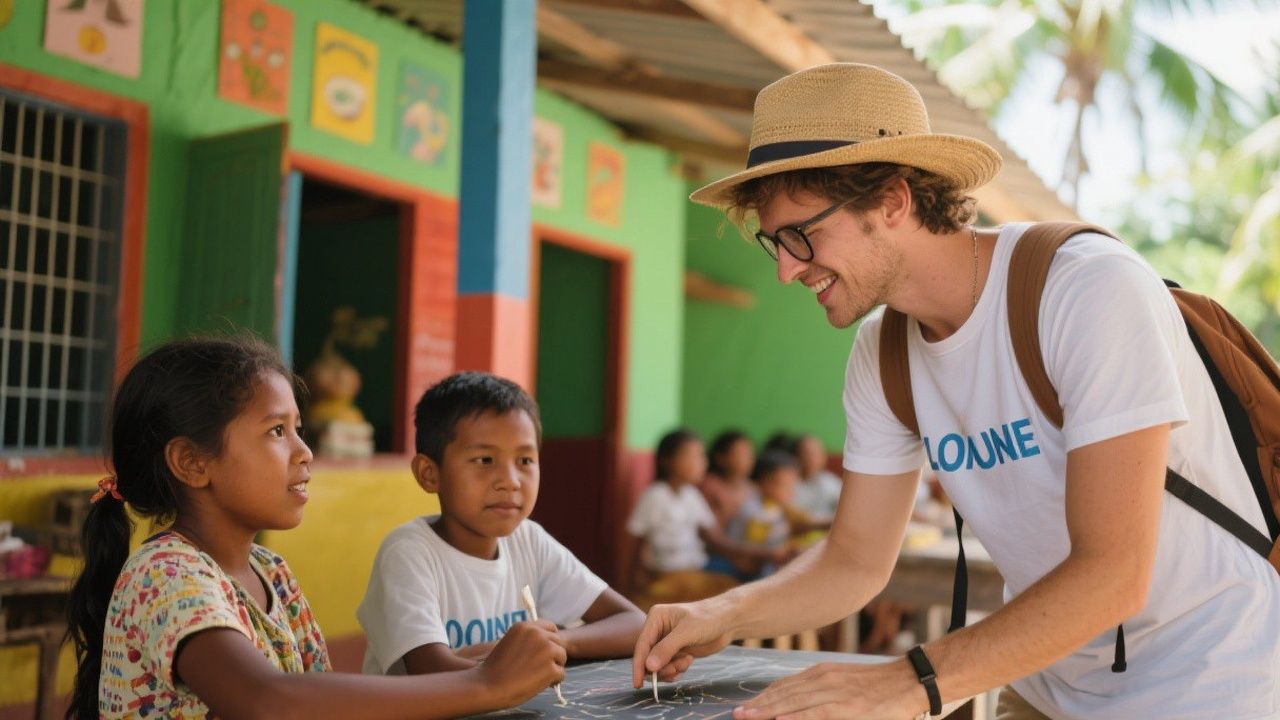
The most impactful opportunities leverage your existing skills. If you are a licensed teacher, programs providing teacher training for local educators can be highly effective. Conservation volunteering is one of the more ethically straightforward categories. Programs like Earthwatch expeditions pair volunteers with research scientists on field projects with clear, measurable outcomes. I participated in a Costa Rica sea turtle expedition that cost $2,800 for two weeks, covering accommodation, meals, and a contribution to the research project.
Agricultural programs like WWOOF (World Wide Opportunities on Organic Farms) connect volunteers with organic farms in exchange for room and board. The membership fee is about $30-40 per year, and the arrangement is transparent and mutually beneficial. Financial donations to reputable organizations, when directed effectively, often have greater impact than volunteer labor. Sites like GiveWell and Charity Navigator provide rigorous evaluations of charitable organizations.
Preparing for Cultural Differences
Volunteering abroad requires a fundamentally different mindset than tourist travel. You are entering a community as a guest, not as a savior. Before your trip, learn about the country's history, politics, and social dynamics. Read books by local authors, follow local news sources, and learn basic phrases in the local language. In Cambodia, I learned to say "aw koon" (thank you) and "suos-dey" (hello), and the reaction from local people was noticeably warmer than the reaction to volunteers who made no effort. Be prepared for your assumptions to be challenged. The community's priorities may differ from what you expected, and that discomfort is a sign of genuine engagement.
Alternatives to Traditional Volunteering
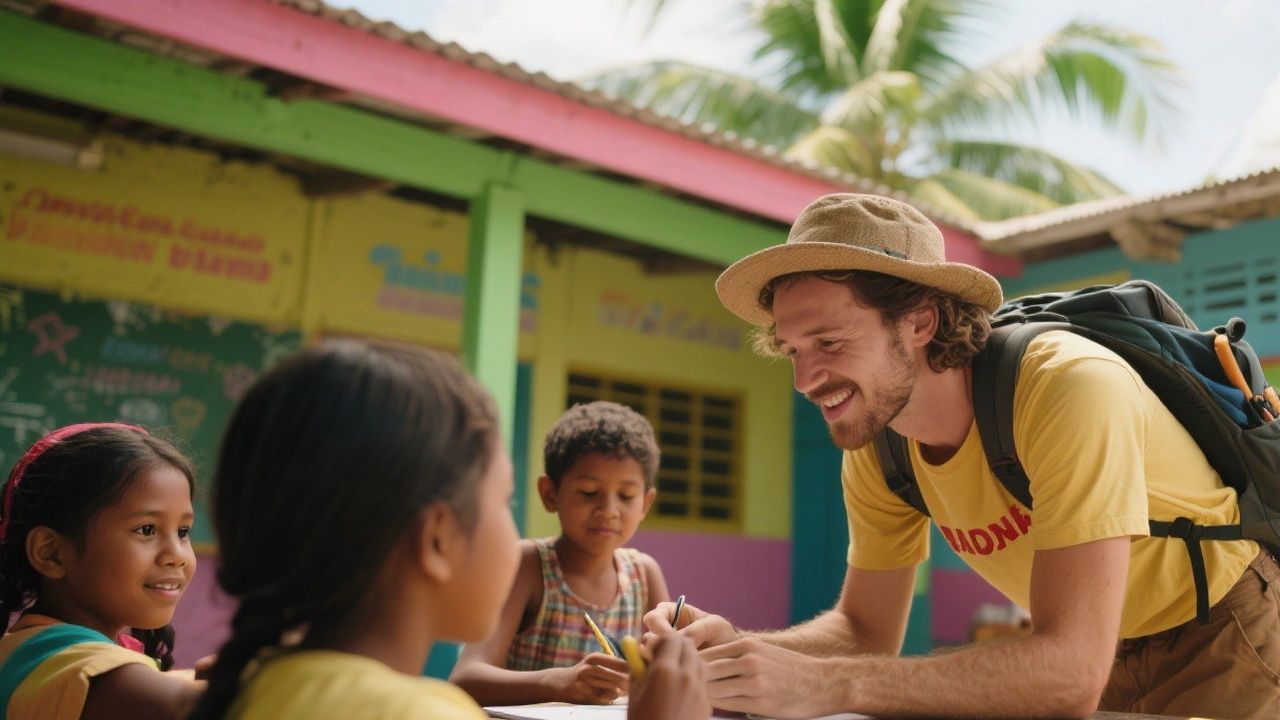
Skill-based pro bono work through platforms like Catchafire and Taproot Foundation connects professionals with nonprofits that need specific skills: web design, accounting, marketing, legal advice. I spent six months doing pro bono graphic design for a community health organization in Kenya, working remotely from Portland. Responsible tourism — spending your travel budget in ways that directly benefit local communities — is another powerful alternative. Choose locally owned hotels, eat at local restaurants, hire local guides, and buy souvenirs directly from artisans.
The financial transparency of volunteer organizations is one of the most telling indicators of their legitimacy. Ethical organizations publish annual reports with detailed financial breakdowns showing exactly how funds are allocated between program operations, administrative costs, and community development. Organizations like Partners In Health and Doctors Without Borders publish detailed financial statements on their websites and undergo independent audits. If an organization cannot or will not tell you specifically how your program fee is being used, that is a significant red flag. I once asked a volunteer organization in Cambodia what percentage of my $2,000 program fee went to the community, and the representative could not give me a specific number. That should have been my cue to walk away.
The most effective volunteer experiences I have had were the ones where I was not the center of the story. On a marine conservation project in the Philippines, I spent two weeks collecting data on coral reef health under the supervision of a local marine biologist. My role was clearly defined, my skills were adequate for the task, and the data I collected contributed to a long-term monitoring project that had been running for five years before I arrived and continued for years after I left. I was a small part of a larger effort, and that is exactly how ethical volunteering should feel.
Essential Tips to Keep in Mind
- Never volunteer at orphanages. Research consistently shows that orphanage volunteering causes psychological harm to children through attachment disruptions. UNICEF and Save the Children have both issued statements discouraging it.
- Ask the organization how they measure impact. Legitimate programs track specific, measurable outcomes — not just the number of volunteers hosted.
- Be honest about your motivations. If your primary goal is personal growth or resume building, volunteer travel may not be the most ethical way to achieve those things.
- Commit to a minimum of one month. Programs shorter than one month have limited positive impact and can be net negative due to training and supervision resources.
- Support organizations that employ and empower local staff. The best programs work toward making themselves obsolete by building local capacity.
Frequently Asked Questions
Is voluntourism always bad?
No, but the default assumption should be skepticism. There are well-run, ethical programs that create genuine benefit. The burden of proof should be on the organization, not on the community.
How much does it cost to volunteer abroad?
WWOOF exchanges cost only the membership fee plus travel. Short-term programs through organizations like GVI cost $1,500-4,000 for two to four weeks. Research-focused programs like Earthwatch cost $2,000-4,000 for one to two weeks.
Can I volunteer abroad if I do not have specialized skills?
Yes, but choose programs designed for general volunteers that do not put you in positions requiring professional expertise. Conservation programs and cultural exchange programs are better suited for generalists.
Final Thoughts
Volunteering abroad is not inherently good or bad — it is a tool, and its impact depends on how it is used. A well-researched, ethically designed experience can create genuine benefit. A poorly designed one can waste resources and cause harm. The difference is research, critical thinking, and a willingness to prioritize the needs of the community over the desires of the volunteer. Listen to the community, support local leadership, and follow their lead.