How to Take Better Travel Photos with Just Your Smartphone
I spent three weeks in Portugal last summer with nothing but my iPhone 15 Pro, and honestly? The photos I came back with blew away anything I shot on my old DSLR during a trip to Japan two years prior. Mobile travel photography has come a ridiculously long way, and you do not need expensive gear to capture stunning images on the road. I want to share what actually works based on hundreds of thousands of shutter clicks across 30-plus countries, all from a phone.
Golden Hour Shooting
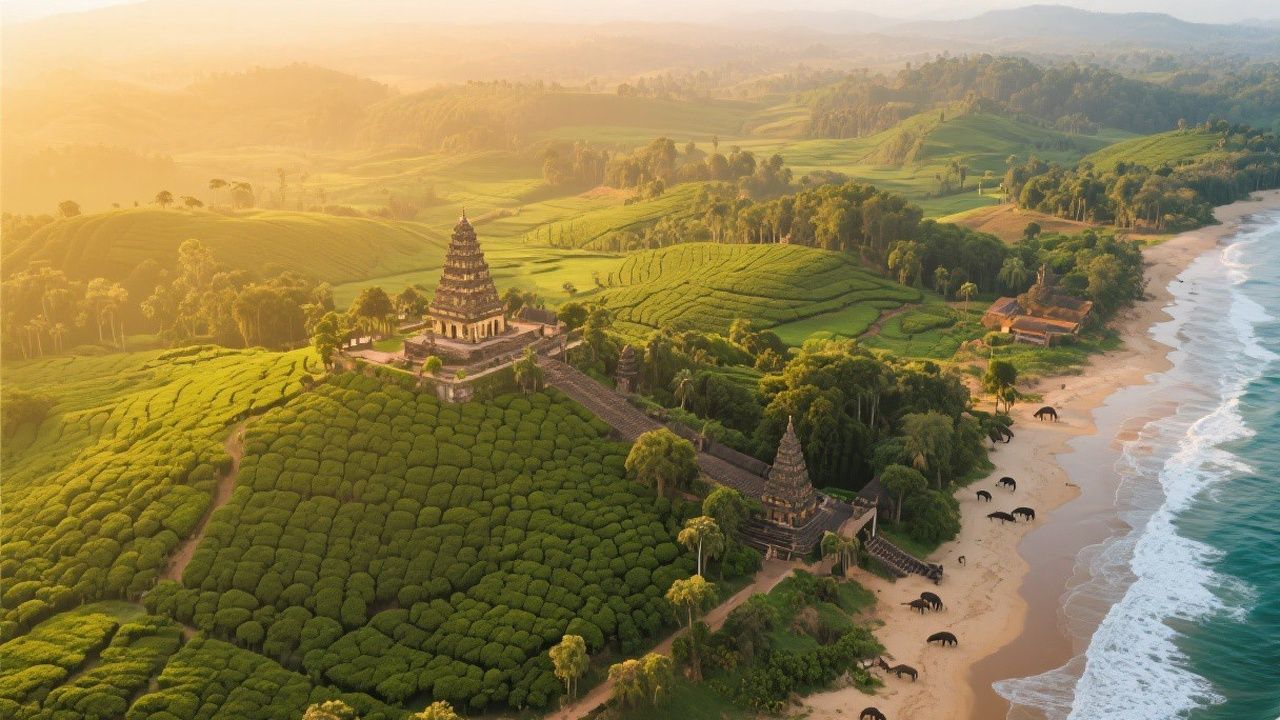
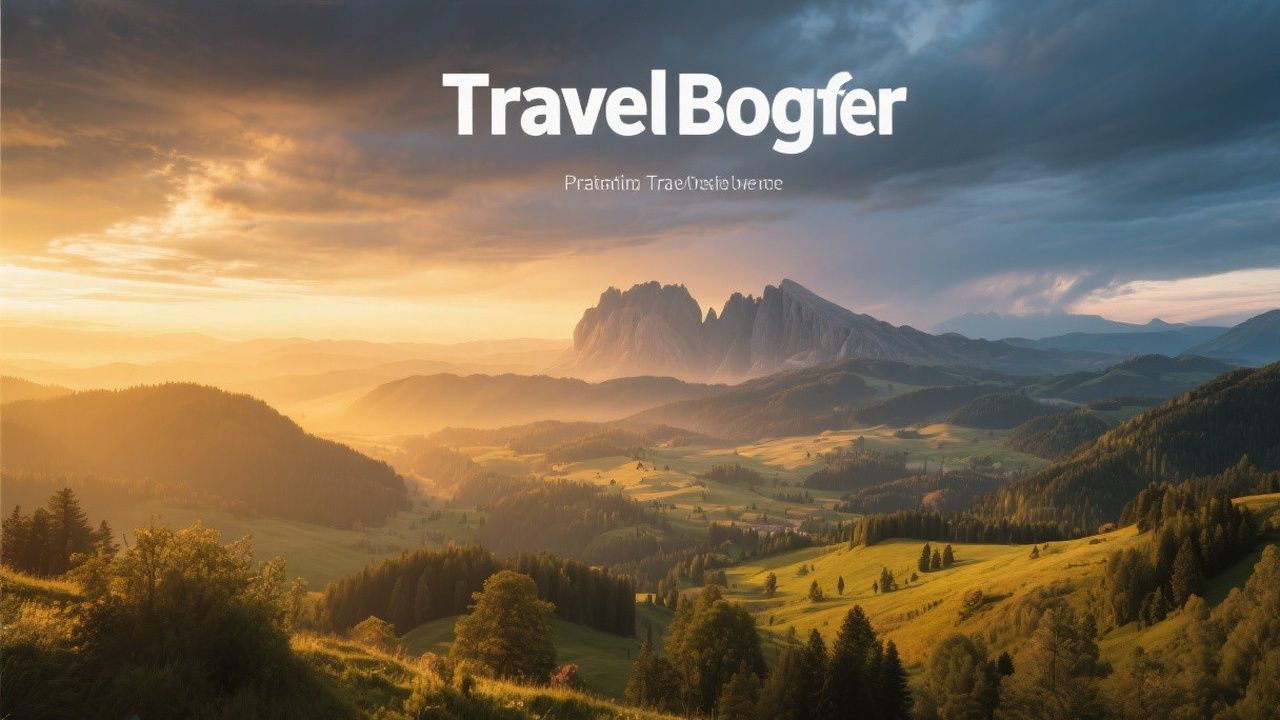
The single biggest upgrade you can make to your travel photos has nothing to do with your phone model. It is about when you shoot. Golden hour, that magical window roughly 30 minutes before sunset and 30 minutes after sunrise, transforms even the most ordinary street scene into something cinematic. I learned this the hard way in Santorini, where my midday shots of Oia looked flat and washed out, but the same blue domes at 6:45 PM glowed with warm, honey-toned light that needed zero editing.
Planning around golden hour requires a bit of effort. I use the app PhotoPills to track exact sunrise and sunset times for any location. In Tromso, Norway, during winter, golden hour lasts nearly all day since the sun barely crests the horizon, giving you hours of soft light. In Bali, golden hour moves fast, maybe 20 minutes of truly magical color before the sun drops behind Mount Agung. Arrive early, scout your composition, and be ready to fire off dozens of frames. Your phone's burst mode is your best friend here.
One trick that changed my shooting: face away from the sun during golden hour. Most tourists point their cameras directly at the sunset. Instead, turn 180 degrees and photograph whatever the warm light is hitting. In Lisbon's Alfama district, the pastel buildings facing west light up like they are on fire during the last 15 minutes of daylight. Those shots consistently outperform my actual sunset photos on Instagram.
Using Natural Light Effectively
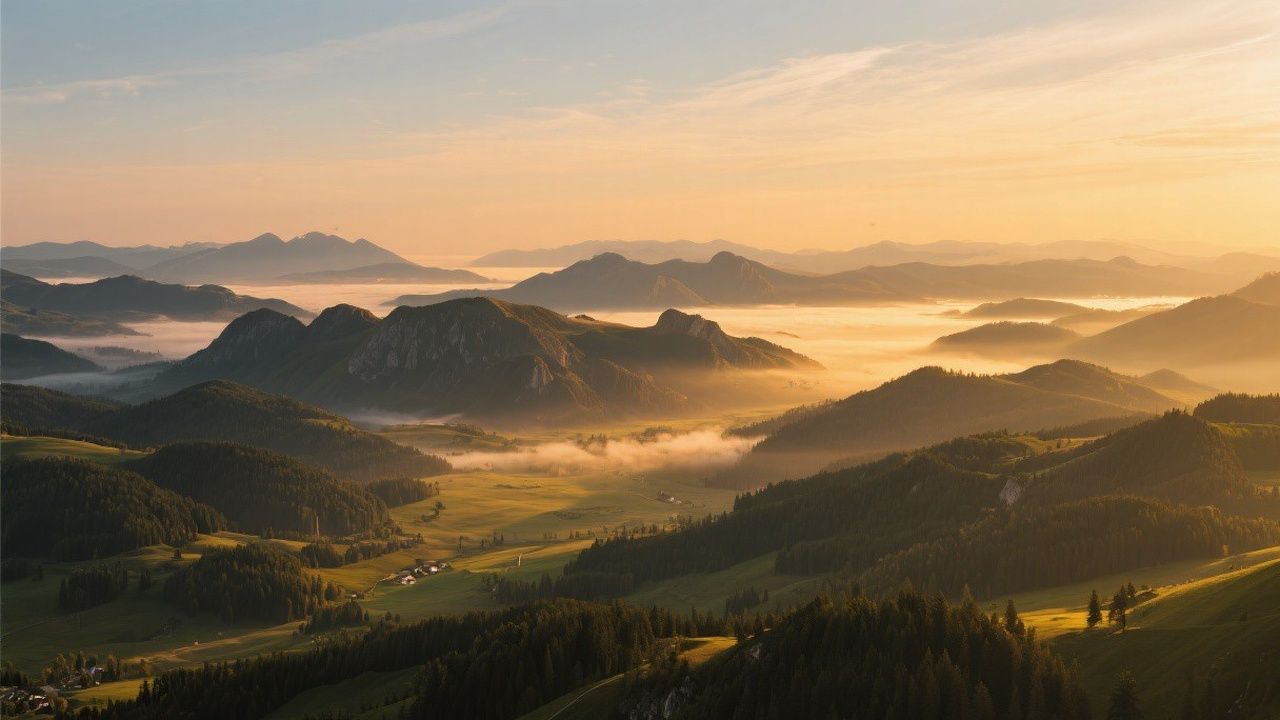
Natural light is the most powerful tool in mobile travel photography, and learning to read it will separate your photos from the typical vacation snapshots. Harsh midday sun creates deep shadows under eyes and buildings, making portraits and architecture look unflattering. Overcast days, which most travelers complain about, are actually ideal for photographing markets, food, and people because the clouds act as a giant diffuser, creating even, soft light everywhere.
In Hoi An's Old Town, I shot an entire series of lantern vendors under an overcast sky, and the colors popped beautifully without any harsh shadows ruining the fabric details. Compare that to my attempts in Marrakech's Jemaa el-Fnaa at noon, where the contrast between blinding sunlight and deep shade made every shot a mess of blown highlights and crushed blacks. If you find yourself shooting at midday, look for open shade: doorways, awnings, the shadow side of a building.
Editing Apps Comparison
Editing is where your phone photos go from good to jaw-dropping, and you do not need a laptop to do it. After testing dozens of apps across multiple trips, I have narrowed it down to three that cover every situation. Lightroom Mobile is my daily driver for raw editing. The subscription costs $9.99 per month, and the cloud sync between my phone and iPad is seamless. I use it for exposure correction, color grading, and selective adjustments on specific areas of a photo.
Snapseed, which is completely free, is my go-to for quick edits on the fly. Its Selective tool lets you brighten a face or boost the saturation of a sunset without affecting the rest of the image. I used Snapseed extensively in Myanmar to bring out the deep gold of Shwedagon Pagoda without blowing out the sky. The Healing tool is also surprisingly powerful for removing stray power lines or trash from otherwise perfect compositions.
Landscape Photography Tips
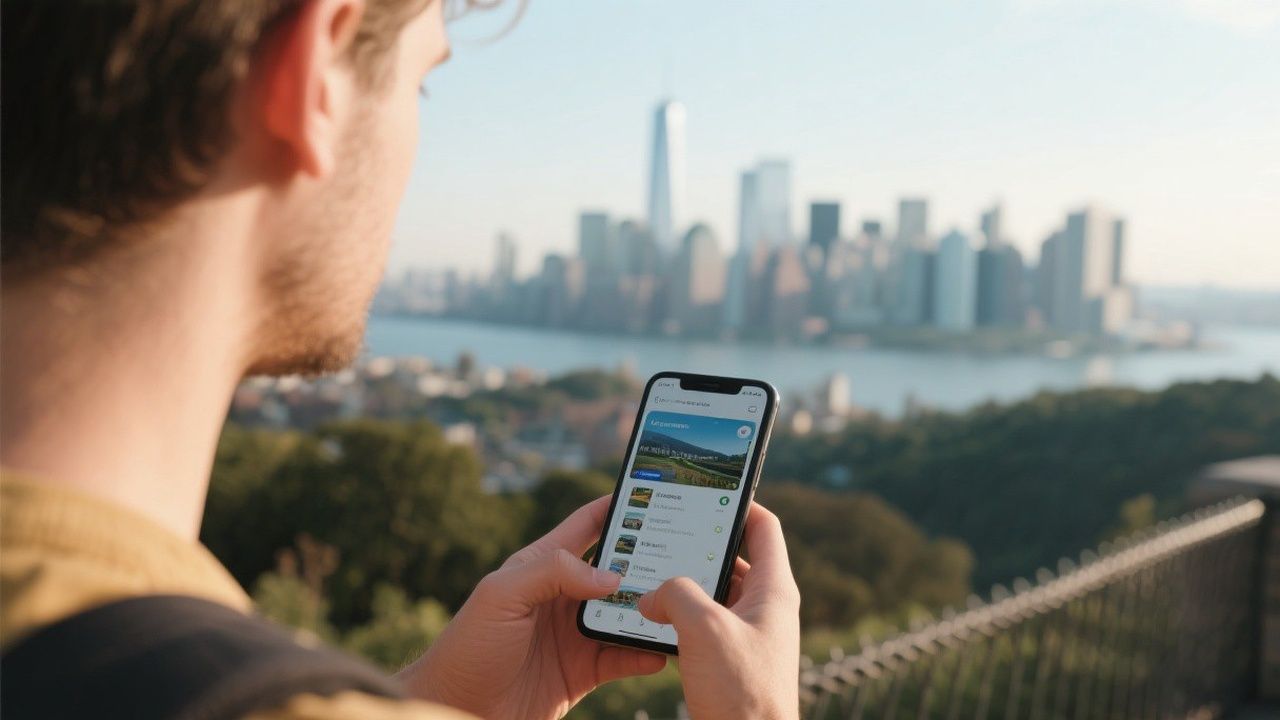
Shooting landscapes on a phone means working within some limitations, but those constraints actually force you to become a better photographer. The wide-angle lens on modern phones, typically around 13mm equivalent, is perfect for sweeping vistas. I use the ultra-wide lens on my iPhone for about 40 percent of my landscape shots, especially in places like Iceland's Ring Road where the scale of the scenery demands an expansive field of view.
Foreground interest is the key to compelling landscape photos. A shot of Ha Long Bay from your cruise ship deck is fine, but wading into the shallows to include a limestone rock formation in the bottom third of your frame creates depth and draws the viewer in. In Patagonia, I framed Torres del Paine through the branches of a dead tree, and that single compositional choice elevated the image from a postcard replica to something with real personality.
Essential Tips to Keep in Mind
- Clean your lens before every shoot. A microfiber cloth costs $3 and makes a bigger difference than any app.
- Tap to focus and then drag to adjust exposure. This alone fixes 90 percent of poorly exposed phone photos.
- Shoot in raw format whenever possible. It gives you significantly more editing flexibility later.
- Use the rule of thirds grid in your camera settings. Place subjects at grid intersections, not dead center.
- Back up photos daily to Google Photos or iCloud. I lost an entire day of shots in Vietnam because my phone died before I could transfer them.
Frequently Asked Questions
Do I really need a flagship phone for good travel photos?
Not at all. I have seen incredible travel photos shot on a Pixel 6a, which costs under $350. Modern mid-range phones have excellent cameras. The photographer matters far more than the device.
Should I buy a clip-on lens for my phone?
I tested a Moment wide-angle lens ($119) and a macro lens ($99) on a trip to Costa Rica. The macro lens was genuinely useful for close-ups of frogs and flowers. The wide-angle was less impressive since most phones already have an ultra-wide built in.
How do I prevent my phone from dying during a full day of shooting?
Carry a 10,000mAh power bank. I use the Anker PowerCore Slim ($29.99), which weighs 6.8 ounces and fully recharges my phone twice. Also, lower your screen brightness and close background apps to stretch battery life.
Final Thoughts
The best camera is the one you have with you, and for most of us, that is our phone. I have sold travel photos shot on an iPhone to stock agencies and had them published in digital magazines. The technology in your pocket is more capable than professional gear from a decade ago. Stop obsessing over megapixels and start paying attention to light, composition, and story. Those three elements will transform your travel photography more than any piece of equipment ever could.