How to Travel with Kids in Europe Without Losing Your Mind
We took our two kids -- ages 6 and 9 at the time -- on a 23-day trip through Italy, France, and Spain. On day four, our son threw a 40-minute meltdown in the Uffizi Gallery because he wanted to go back to the hotel pool. On day twelve, our daughter refused to walk another step in Barcelona and sat down on La Rambla with her arms crossed while hundreds of tourists streamed around us. And yet, by the end of the trip, both kids declared it the best experience of their lives. The difference between day four and day 23 was learning -- through plenty of trial and error -- what actually works when traveling with kids in Europe. It's not about surviving. It's about structuring the trip so that everyone, including the adults, actually enjoys it.
Choosing Kid-Friendly Destinations
Not all European cities are equally suited for children, and choosing the right base cities makes an enormous difference. London is the easiest major European city for families -- the museums are free and genuinely engaging for kids (the Science Museum has an interactive Wonderlab that my 9-year-old would have stayed in all day), the parks are spectacular, and English removes the language barrier. Copenhagen is another standout: Tivoli Gardens is a fairy-tale amusement park in the city center, the zoo is excellent, and the cycling culture means kids can ride safely everywhere. In Italy, Rome sounds exciting but the crowds, heat, and walking demands make it exhausting for young children. Florence is better -- compact, walkable, and with gelato shops on every corner that serve as built-in motivation for walking.
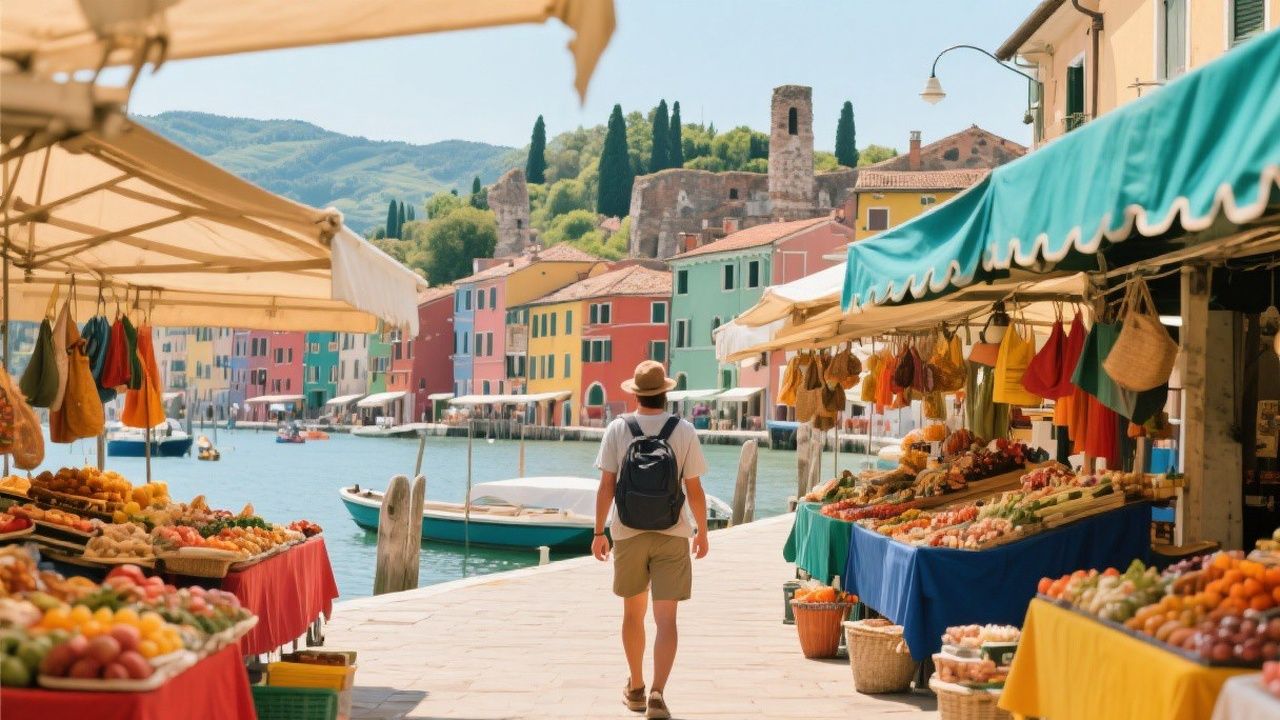
Smaller cities often work better than capitals. Instead of Paris, consider Strasbourg with its fairy-tale half-timbered houses and boat rides on the Ill River. Instead of Barcelona, try Girona -- 90 minutes north, with a stunning medieval old town, far fewer tourists, and the same Catalan food culture. Instead of Amsterdam, try Utrecht, which has canals, bicycles, and a relaxed pace without the Red Light District awkwardness. These smaller cities offer the cultural experience parents want with the manageable scale that kids need.
The age of your children matters enormously. Kids under 5 are the hardest travel companions in Europe because they can't walk long distances, can't appreciate museums, and need naps that disrupt sightseeing. If you have toddlers, I strongly recommend a single-destination trip -- rent a villa in Tuscany or a cottage in the Cotswolds and do day trips from there. Kids aged 6-12 are the sweet spot: they can walk 5-8 km per day, they're curious about new things, and they're old enough to remember the experience. Teenagers are the easiest logistically but the hardest motivationally -- they need activities that feel cool and social, not educational.
Managing Jet Lag for Kids

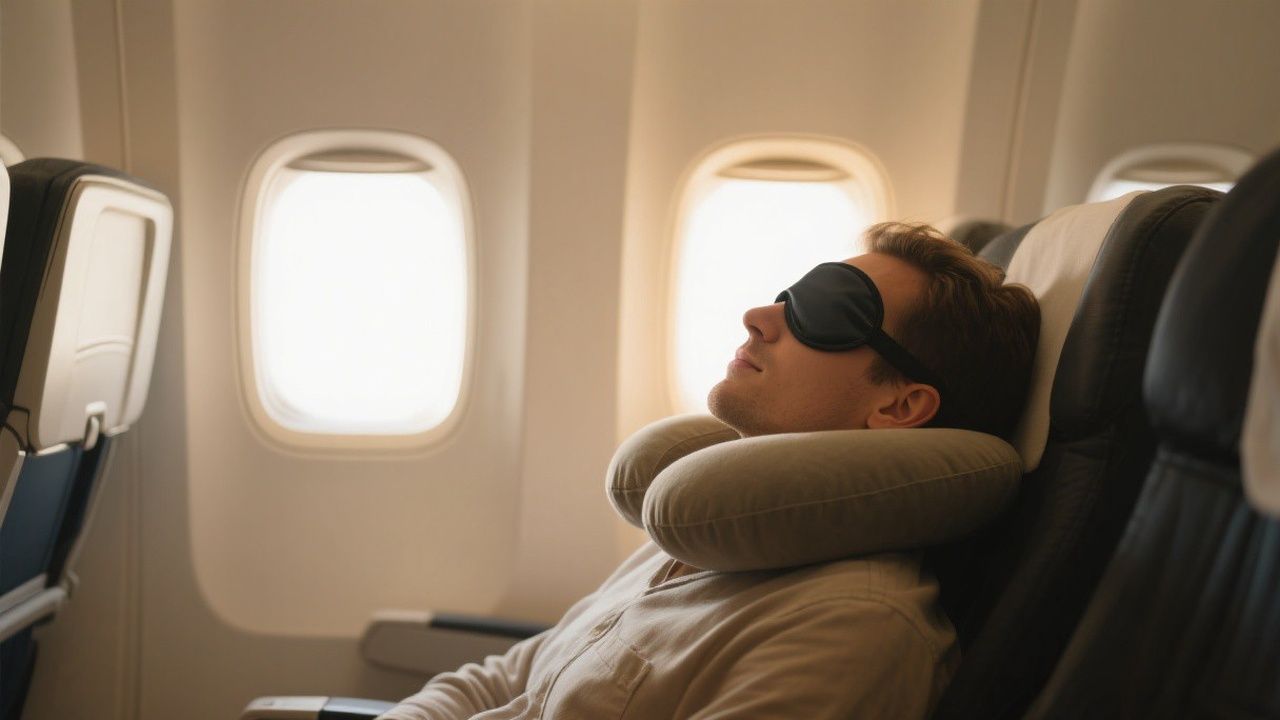
Children adjust to time zone changes faster than adults in some ways and slower in others. The key difference is that kids can't rationalize their fatigue -- a tired 7-year-old doesn't understand why she feels awful, she just knows she does, and she'll express that through behavior. On our first Europe trip, we flew overnight from Boston to Rome and arrived at 8 AM local time. Our plan was to stay awake all day and crash at 8 PM. Our kids crashed at 2 PM and woke up at midnight, wide awake and hungry. We spent the next three days recovering from that mistake.
The strategy that works is gradual adjustment combined with aggressive outdoor time. On arrival day, don't plan anything structured. Get to your accommodation, drop bags, and immediately go outside. Sunlight is the strongest circadian signal, and kids who spend the first afternoon running around a park adjust faster than kids who sit in a museum. In Rome, we took the kids to Villa Borghese gardens -- wide open spaces, a small lake with rental boats, and a playground. They burned off energy, got sunlight exposure, and were ready for an early dinner and bedtime by 7 PM local time. By day three, they were on local time.
For westbound flights (Europe to the US), the adjustment is easier. Kids naturally want to stay up later, which aligns with the time zone shift. The main challenge is early waking -- our kids consistently woke at 4-5 AM Eastern time for the first week after returning from Europe. Blackout curtains in their bedroom and keeping them active until their normal bedtime in the new zone resolves this within a few days. Melatonin is generally not recommended for children under 12 without a doctor's guidance, so I rely on light management and physical activity instead.
Educational Travel Activities
The best educational activities in Europe are the ones where kids don't realize they're learning. The Colosseum in Rome is a history lesson disguised as a massive, exciting ruin. Book the underground tour (available through the official Coopculture website for about 22 euros per adult, 2 euros for kids under 18) and your kids will see the gladiator tunnels and animal holding cells beneath the arena floor. My son was riveted -- he spent the next week telling everyone about the trap doors and mechanical elevators that lifted lions into the arena. That's a history lesson no classroom can match.
Interactive museums across Europe have dramatically improved their kids' programming. The Deutsches Museum in Munich has a dedicated Kids' Kingdom with working exhibits where children can operate a real fire truck, experiment with water pressure, and explore a full-scale coal mine. The Cite des Sciences et de l'Industrie in Paris has a permanent children's section (Cite des Enfants) for ages 2-7 and 5-12 with hands-on science experiments. The Natural History Museum in London's dinosaur gallery is free and consistently rated as the most exciting museum experience by kids under 10. In Amsterdam, the NEMO Science Museum is literally designed as a giant interactive playground -- my kids spent four hours there without wanting to leave.
Cooking classes are another winner. In Florence, we took a family pasta-making class at In Tavola (about 70 euros per adult, 35 euros per child) where the kids rolled their own tagliatelle and made tiramisu for dessert. In Paris, a croissant-making class at Le Cordon Bleu (expensive at about 200 euros per person, but worth it as a once-in-a-lifetime experience) gave our daughter a skill she still practices at home. These activities combine culture, food, and hands-on engagement in a way that resonates with kids far more than walking through another church or palace.
Safety Considerations
Europe is generally very safe for families, but crowded tourist areas create specific risks for children. Pickpockets in Barcelona, Rome, and Paris often target distracted parents -- one partner creates a diversion (dropping something, asking for directions) while the other lifts a wallet or phone. Keep your phone in a front pocket, use a crossbody bag, and maintain awareness in crowded areas like the Trevi Fountain, Sagrada Familia plaza, and the Colosseum entrance. Kids are rarely targeted directly, but the chaos of crowds makes it easy to get separated.
Take a photo of your children every morning before heading out. If you get separated, you'll have an exact image of what they're wearing that day. Write your phone number on a card and put it in your child's pocket -- even young kids can hand a card to a police officer or shopkeeper. For children under 8, consider a child harness in extremely crowded areas. I know it looks restrictive, but losing a 4-year-old in the Louvre (which happened to a family we met in Paris) is a far worse experience than using a harness for two hours.
European healthcare is excellent but navigating it with a sick child in a foreign country is stressful. Travel insurance that covers pediatric care is essential. Safety Wing's family plan covers children at no additional cost on some tiers, and World Nomads covers emergency medical for children under 17 on family policies. Carry a basic first-aid kit with children's ibuprofen, band-aids, antiseptic wipes, and any prescription medications. Pharmacies in Europe (marked with a green cross) are well-stocked and pharmacists can advise on minor ailments, but having basics on hand saves a pharmacy hunt at midnight when your child has a fever.
Essential Tips to Keep in Mind
- Limit sightseeing to one major activity per day. Kids burn out faster than adults, and a museum in the morning plus a walking tour in the afternoon equals meltdowns by 4 PM. One meaningful experience per day, followed by free time, works far better.
- Rent apartments instead of hotel rooms. Having a kitchen, separate bedrooms, and laundry facilities makes family travel dramatically easier. Airbnb and Booking.com both filter for family-friendly apartments. A two-bedroom apartment in Rome's Trastevere neighborhood costs about 120-180 euros per night in shoulder season.
- Use trains instead of flights between cities. Kids love trains (no seatbelt lectures, room to move, big windows), and European trains are comfortable and reliable. The TGV from Paris to Lyon takes 2 hours and costs about 40 euros per child. Book through Trainline or the national rail websites for the best prices.
- Build in "yes days" where the kids choose the activity. One day in Barcelona, our daughter chose to spend three hours at a beach playground instead of visiting Park Guell. We said yes, and it was the happiest afternoon of the entire trip.
- Carry snacks everywhere. European meal times don't always align with kids' hunger, and a hungry child is an unhappy child. Pack granola bars, fruit, and crackers in your day bag every morning.
Frequently Asked Questions
What age is best for a Europe trip with kids?
Ages 7-12 are generally the sweet spot. Kids this age can walk reasonable distances (5-8 km per day), engage with cultural sites, try new foods, and remember the experience. Teenagers (13+) are easier logistically but harder to impress. Kids under 5 are doable but require a slower pace and more downtime. We've done Europe with a toddler and survived, but it was a different kind of trip -- more vacation than exploration.
Is a Eurail pass worth it for families?
The Eurail pass offers a 50% discount for children aged 4-11 on most pass types, which makes it more attractive for families. However, the same math applies as for individual travelers: add up the cost of individual point-to-point tickets for your planned routes and compare. For families doing 3+ long-distance train journeys in a two-week period, the pass usually saves money. For shorter trips or flights, individual tickets are often cheaper. Children under 4 travel free on most European trains.
How do you handle restaurants with picky eaters?
European restaurant culture is generally family-friendly, especially in Italy and Spain. In Italy, most restaurants will make a simple pasta with butter or tomato sauce for kids even if it's not on the menu. In Spain, tapas are perfect for picky eaters because you can order small portions of many things and let kids pick what they like. Carry a backup snack for emergencies, but don't default to McDonald's -- most kids will surprise you by trying new foods when they're hungry and the options are interesting. Our son discovered he loves calamari in Barcelona, and our daughter now requests prosciutto regularly after our Italy trip.
Final Thoughts
Family travel in Europe is not the same as pre-kids travel, and that's okay. The Europe family vacation that works is the one designed around your children's needs, not the one that tries to recreate your backpacking trip from college. Slow down, see fewer things more deeply, and prioritize experiences that engage everyone. The Colosseum through a child's eyes is more magical than through any adult's. The gelato tastes better. The train rides are more exciting. Travel with kids in Europe isn't about losing your mind -- it's about gaining a completely new perspective on places you thought you knew.