Street Food Safety: How to Eat Without Getting Sick While Traveling
Some of the best meals I've ever eaten cost less than three dollars and came from a plastic stool on a sidewalk in Hanoi, a night market stall in Bangkok, and a cart pushed through the streets of Oaxaca. I've also spent two miserable days in a Lima hotel bathroom after ignoring every instinct I had about a ceviche stand. The difference between those experiences wasn't luck; it was a set of habits I've developed over years of eating my way through street markets across six continents. Street food is often the most authentic food a destination has to offer, and avoiding it entirely means missing a huge part of the travel experience. These street food safety tips will help you choose wisely.
Assessing Food Stall Hygiene
The single most reliable indicator of a safe street food stall is the line of locals waiting in front of it. A stall with a queue of neighborhood residents, especially families with children, has effectively been vetted by the people who eat there every day. I've walked past dozens of empty stalls in Bangkok's Chatuchak Market to wait 20 minutes at a pad thai cart surrounded by Thai office workers on their lunch break, and I've never once regretted that decision.
Watch the cooking process before you order. High heat is your best friend when it comes to food safety while traveling. Foods that are cooked to order in front of you, whether in a screaming-hot wok, on a charcoal grill, or in a deep fryer, are generally safe because the heat kills the pathogens that cause most foodborne illness. The danger zone is food that sits in lukewarm conditions. Look at the vendor's hands and workspace: are they handling money and then touching food without washing? Is the prep area visibly clean? These observations take five seconds and tell you more than any guidebook ever could.
Building Food Tolerance Gradually
Your digestive system needs time to adjust to new bacteria, spices, oil types, and preparation methods. Landing in a new country and immediately eating the spiciest, most exotic street food you can find is a recipe for gastrointestinal disaster. I always spend the first two days of any trip eating at well-reviewed restaurants and gradually introducing local flavors before hitting the street markets on day three.
Start with foods that are inherently safer: cooked vegetables, grilled meats, and freshly fried items are gentler on an unadjusted stomach than raw salads, unpeeled fruits, and heavy dairy-based dishes. In India, I begin with dal and freshly baked naan before progressing to richer curries. Probiotics can genuinely help. I start taking a daily probiotic supplement two weeks before any international trip and continue throughout. The research is mixed, but in my personal experience, the trips where I've been consistent with probiotics have been the ones where I've had zero stomach issues.
Safe Food Choices by Region
Every region has its own set of high-risk and low-risk street foods. In Southeast Asia, the safest bets are stir-fried noodle dishes cooked at high heat (pad thai, char kway teow), soups served boiling hot (pho, tom yum), and fresh fruit that you peel yourself. Avoid pre-cut fruit that's been sitting out, ice from unknown water sources, and leafy greens that may have been washed in tap water.
In Latin America, grilled meats, fresh tortillas made to order, and cooked salsas are generally safe. Ceviche is risky outside of reputable establishments because the fish needs to be extremely fresh. In South Asia, the risks are higher due to water quality. Fried foods like samosas and pakoras are your safest options. Avoid anything with chutneys or sauces that have been sitting at room temperature, as these are frequent vectors for contamination.
When to Trust Your Instincts
Your intuition about food safety is better than you think. If something looks wrong, smells off, or just doesn't feel right, walk away. There's no shortage of food options in any destination worth visiting. I've ignored my gut feeling exactly twice, and both times I ended up sick within hours. The cost of being wrong about eating questionable food is two days of misery; the cost of being wrong about skipping a stall is nothing at all.
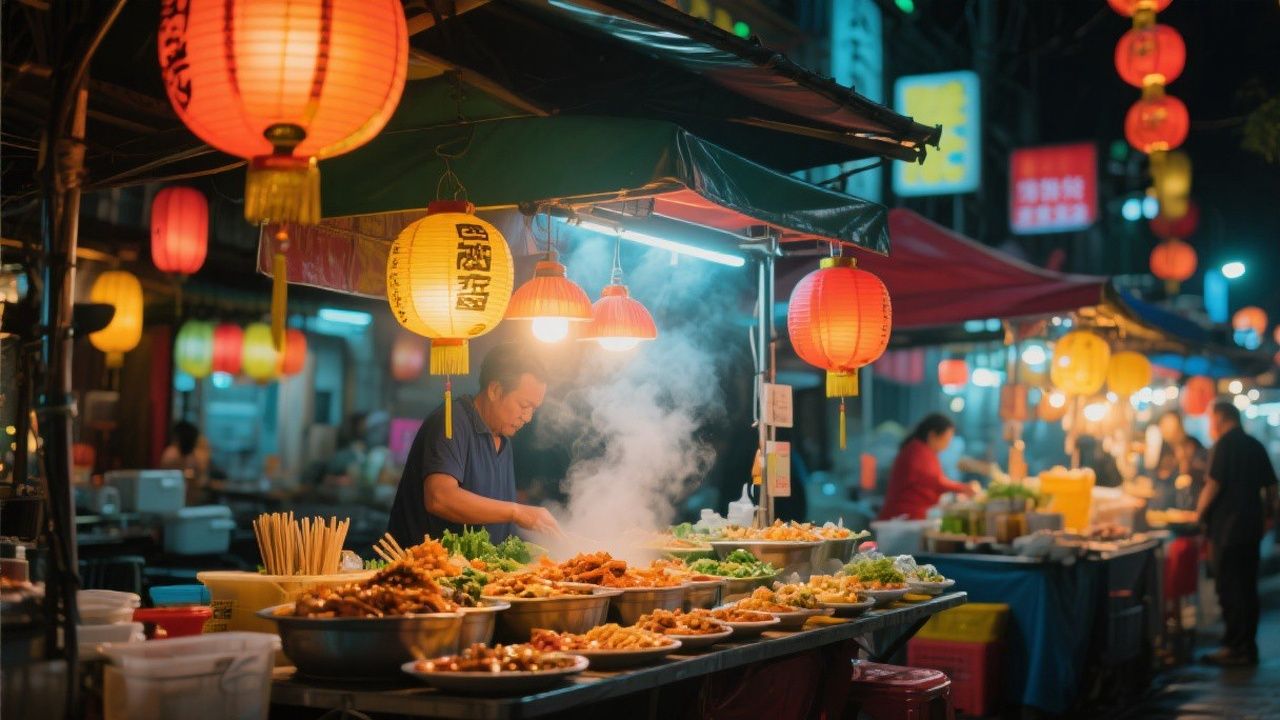
Time of day matters more than most travelers realize. The safest time to eat street food is during peak meal hours when turnover is highest and food isn't sitting around. In most Asian countries, that's between 11am and 1pm for lunch and 6pm and 8pm for dinner. I always aim to eat street food early in the service window rather than late, when items have been sitting in warming trays for hours.
Essential Tips to Keep in Mind
- Stick to bottled water for drinking and brushing your teeth in countries where tap water isn't safe, and always check that the bottle seal is intact.
- Carry hand sanitizer with at least 60% alcohol and use it before every meal, especially after handling money.
- Eat where the locals eat, especially families with young children, as they have the most sensitive stomachs.
- Avoid ice unless you can confirm it's made from purified water; in most developing countries, assume ice from unknown sources is made from tap water.
- Start with cooked foods and gradually introduce raw items as your stomach adjusts over the first few days.
Frequently Asked Questions
Is street food actually safe to eat?
Yes, for the vast majority of travelers who exercise basic judgment. The key is choosing stalls with high turnover, watching for proper cooking temperatures, and eating during peak hours. Millions of people eat street food daily without incident.
Should I take antibiotics before traveling as a precaution?
No. Preventative antibiotics are not recommended by the CDC or WHO for travel diarrhea prevention. Instead, carry a prescribed course of antibiotics to take if you develop moderate to severe symptoms, and use Imodium and oral rehydration salts for mild cases.
What if I have a sensitive stomach or food allergies?
Learn the key words for your allergens in the local language and carry a card you can show to vendors. For sensitive stomachs, stick to freshly cooked, piping-hot foods and avoid dairy, raw items, and heavily spiced dishes for the first several days.
Final Thoughts
Eating street food is one of the most rewarding aspects of international travel, connecting you directly with local culture and flavors in a way that restaurants rarely achieve. The fear of getting sick shouldn't keep you from this experience, but neither should recklessness. Apply common sense, trust your instincts, start gradually, and eat where the locals eat. You'll have some of the best meals of your life.