The Best Farm Stays in Tuscany: Agritourism Experiences in Italy
The first time I drove through the Tuscan countryside, I pulled over seven times in the first hour just to take photographs. Cypress-lined roads rolling over golden hills, stone farmhouses perched on ridges, vineyards stretching to the horizon in neat rows. I was supposed to be driving from Florence to Siena, a trip that should take 75 minutes, and it took me four hours because I kept stopping. That was the day I discovered agritourism Italy-style, and I have been returning to Tuscany every autumn since.
Chianti Wine Region Farm Stays
The Chianti Classico region between Florence and Siena is the heartland of Tuscan agritourism, and the farm stays here are exceptional. My favorite is Podere La Marronaia, a working organic farm and winery in San Gimignano. They offer apartments in restored stone farmhouses starting at 110 EUR per night for two people, and the property produces its own olive oil, honey, and Vernaccia di San Gimignano wine. The owner, Filippo, gives guests a complimentary wine tasting on arrival, and the views from the pool terrace over the towers of San Gimignano are the stuff of Renaissance paintings.
Another standout is Agriturismo Poggio Alloro, a family-run farm near San Gimignano that has been operating for four generations. Rooms start at 95 EUR per night including breakfast, and the property is surrounded by 60 hectares of vineyards, olive groves, and saffron fields. The family serves a four-course dinner using ingredients entirely from the farm for 35 EUR per person, and the pappardelle al cinghiale, wild boar pasta made with meat hunted on the property, was so good I ordered a second portion. For something more upscale, Castello di Brolio in Gaiole in Chianti offers rooms in a 12th-century castle surrounded by legendary vineyards, with rates starting at 250 EUR per night.
Luxury Agriturism Options
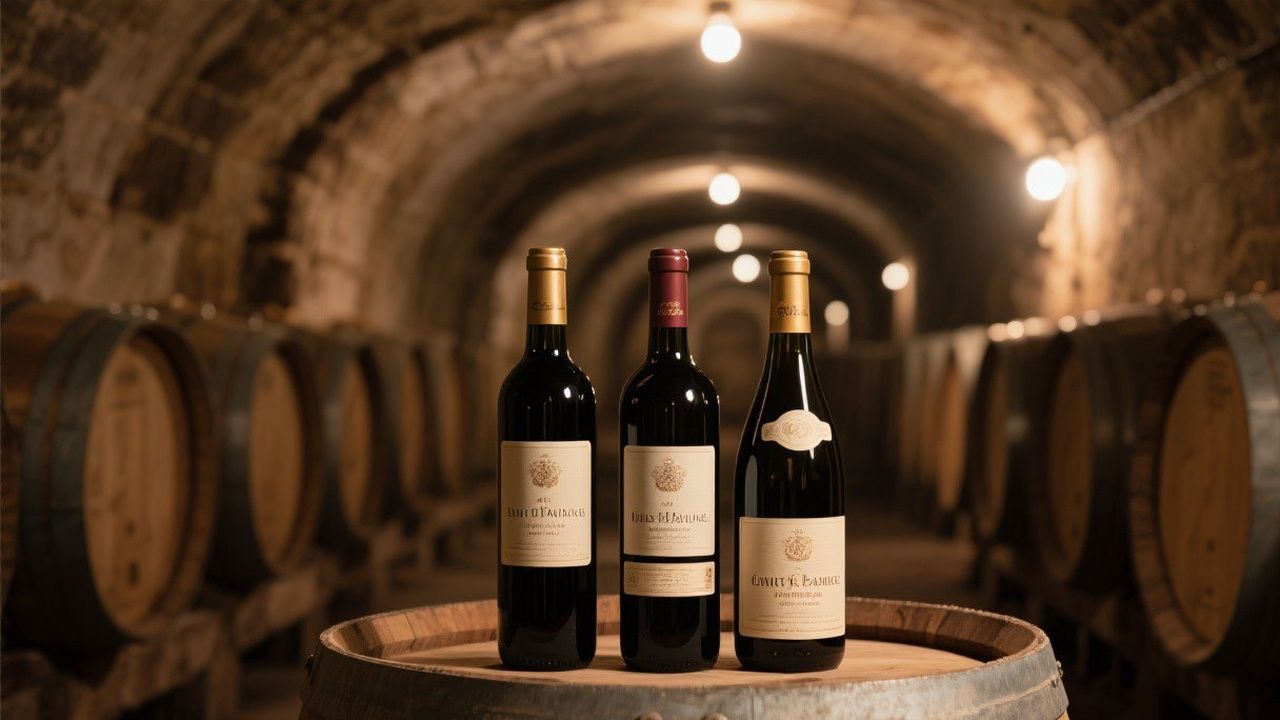
Tuscany's agritourism scene has evolved well beyond rustic farmhouses. Rosewood Castiglion del Bosco, set within a 5,000-acre estate in the Val d'Orcia, is the most spectacular luxury agriturismo I have encountered anywhere in Italy. Suite rates start at roughly 900 EUR per night, and the property includes a spa, a Michelin-starred restaurant, and a working winery that produces Brunello di Montalcino. I spent three days here exploring the estate on horseback, drinking exceptional wine, and eating food that made me question every meal I had ever eaten before.
For luxury that feels more intimate, Borgo San Felice near Siena is a restored medieval village that operates as a five-star relais with working vineyards and olive groves. Rooms start at around 400 EUR per night, and the property includes a spa, two restaurants, and a wine cellar with over 800 labels. The village has 70 rooms spread across stone buildings connected by cobbled lanes, creating the feeling of staying in a real Tuscan village rather than a resort.
Olive Harvest Participation
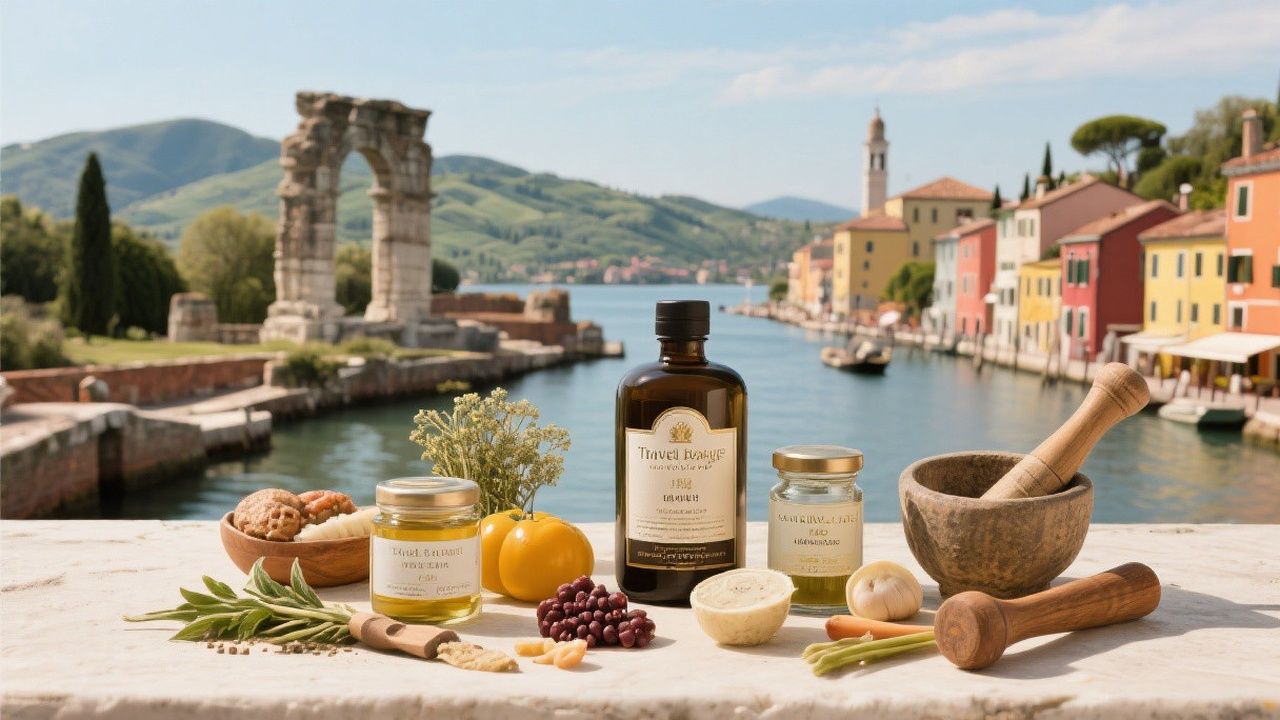
One of the most rewarding aspects of Tuscany farm stays is the opportunity to participate in the annual olive harvest, which typically runs from late October through November. I joined the harvest at Fattoria San Michele in Torrita di Siena, a family farm that produces award-winning extra virgin olive oil. The experience costs 50 EUR per person per day and includes a farmhouse lunch with wine. You spend the morning raking olives from the branches onto nets spread below the trees, followed by a visit to the frantoio, or olive press, where the olives are processed within hours of picking.
The sensory experience of the olive harvest is extraordinary. The sound of olives raining onto the nets, the sharp, fresh scent of crushed leaves, the cold November air, and the warmth of the farmhouse kitchen where lunch awaits. The farmer, a cheerful woman named Lucia, explained that olives must be pressed within 24 hours of harvesting to produce the highest quality oil. We tasted the freshly pressed oil drizzled over bruschetta, and the peppery, grassy flavor was unlike anything you can buy in a supermarket.
Budget Countryside Stays
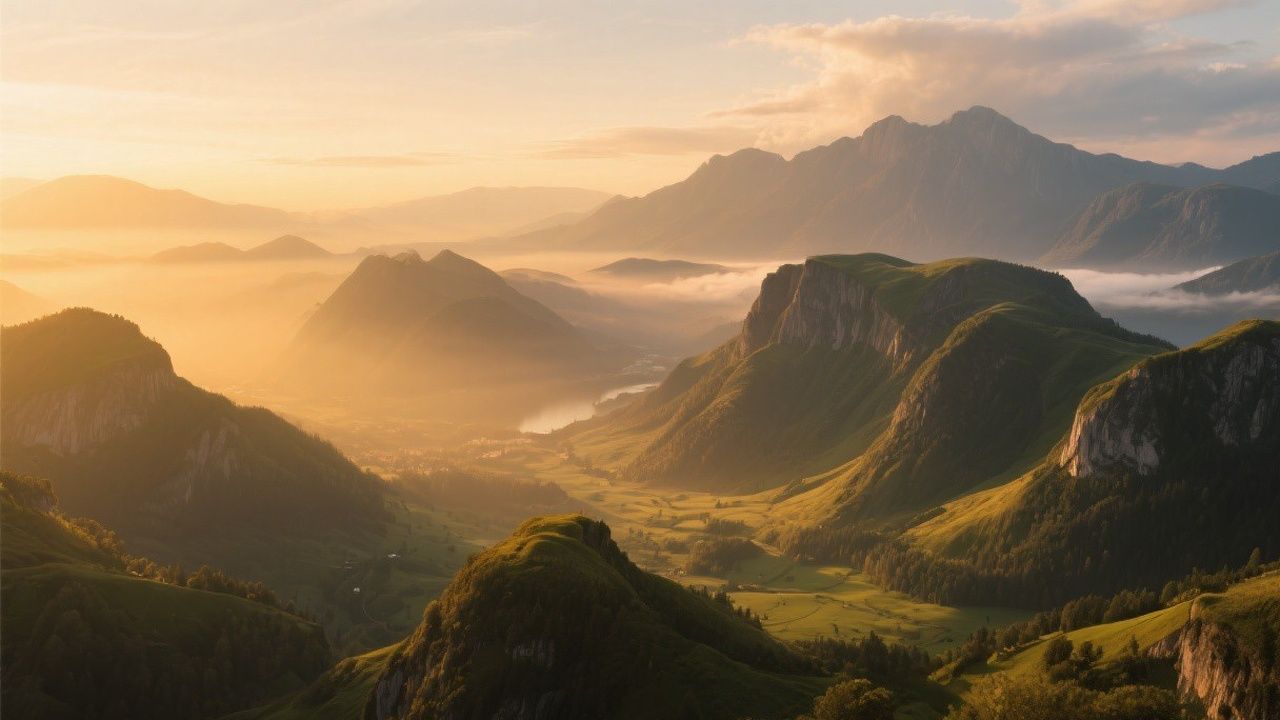
You do not need to spend hundreds of euros per night to enjoy the Tuscan countryside. Agriturismo Il Poggio in Montepulciano offers simple but comfortable rooms starting at 60 EUR per night, with a swimming pool and panoramic views of the Val di Chiana. The owner, Marco, makes his own wine and olive oil and happily shares both with guests at no extra charge. In the Casentino Valley east of Florence, Agriturismo La Verna offers rooms from 50 EUR per night in a restored stone farmhouse surrounded by forests and organic vegetable gardens.
This area is far less touristy than Chianti or the Val d'Orcia, and the hiking trails are superb. I spent four nights here in November and had the entire property to myself. For the absolute budget-conscious, camping on Tuscan farms is an option. Agricampeggio Le Macchie in Saturnia offers tent pitches for 15 EUR per night and access to the property's natural hot springs. The nearby Cascate del Mulino waterfalls, where thermal water cascades over travertine rock into natural pools, are one of Tuscany's most spectacular hidden gems.
Essential Tips to Keep in Mind
- Rent a car. Public transport in rural Tuscany is limited, and a car gives you the freedom to explore villages, markets, and wineries at your own pace.
- Book well ahead for September and October, which are the most popular months for agritourism thanks to the grape and olive harvests and mild weather.
- Learn a few basic Italian phrases. Many agriturismo owners speak limited English, and making an effort with the language goes a long way.
- Ask about cooking classes. Most farm stays offer pasta-making or full cooking classes for 50 to 80 EUR per person, and they are consistently excellent.
- Bring comfortable walking shoes. The Tuscan countryside is hilly, and you will want to explore the farm's trails and surrounding paths.
Frequently Asked Questions
What is the best time of year to visit a Tuscan farm stay?
September and October are ideal, with warm days, cool nights, harvest activity, and beautiful autumn colors. April and May are also excellent, with wildflowers blooming and mild temperatures. Summer is hot and crowded, while winter is quiet and some properties close entirely.
Do I need to rent a car to reach agriturismi?
Almost always, yes. Tuscan farm stays are in rural locations with limited or no public transport. A rental car is essential for reaching the property, buying groceries, and exploring the surrounding area.
Are farm stays suitable for children?
Most Tuscan agriturismi are extremely family-friendly. Children love the animals, the space to run around, and the pool. Many properties offer family rooms or apartments with kitchenettes, which is convenient for families with young children.
Final Thoughts
Every autumn, I leave a piece of my heart in Tuscany. The agriturismo experience captures something essential about Italian life: the connection to land, food, family, and season. Waking up to the sound of roosters, walking through vineyards heavy with grapes, eating food that was growing in the garden hours ago. These are not luxury experiences in the conventional sense, but they are richer and more meaningful than any five-star hotel stay I have ever had.