We Need to Talk About the Buttons

Look, trying to keep your folks safe doesn’t mean they have to become tech wizards overnight. The biggest hurdle isn't the crime rate—it's the user manual. Fiddly buttons. Blinking lights. A dozen different apps. We've all been there, watching a loved one get that panicked, frustrated look. So before we dive into tech specs, remember this: the best system is the one they'll actually use.
The Lone Wolf: Standalone Security Gear
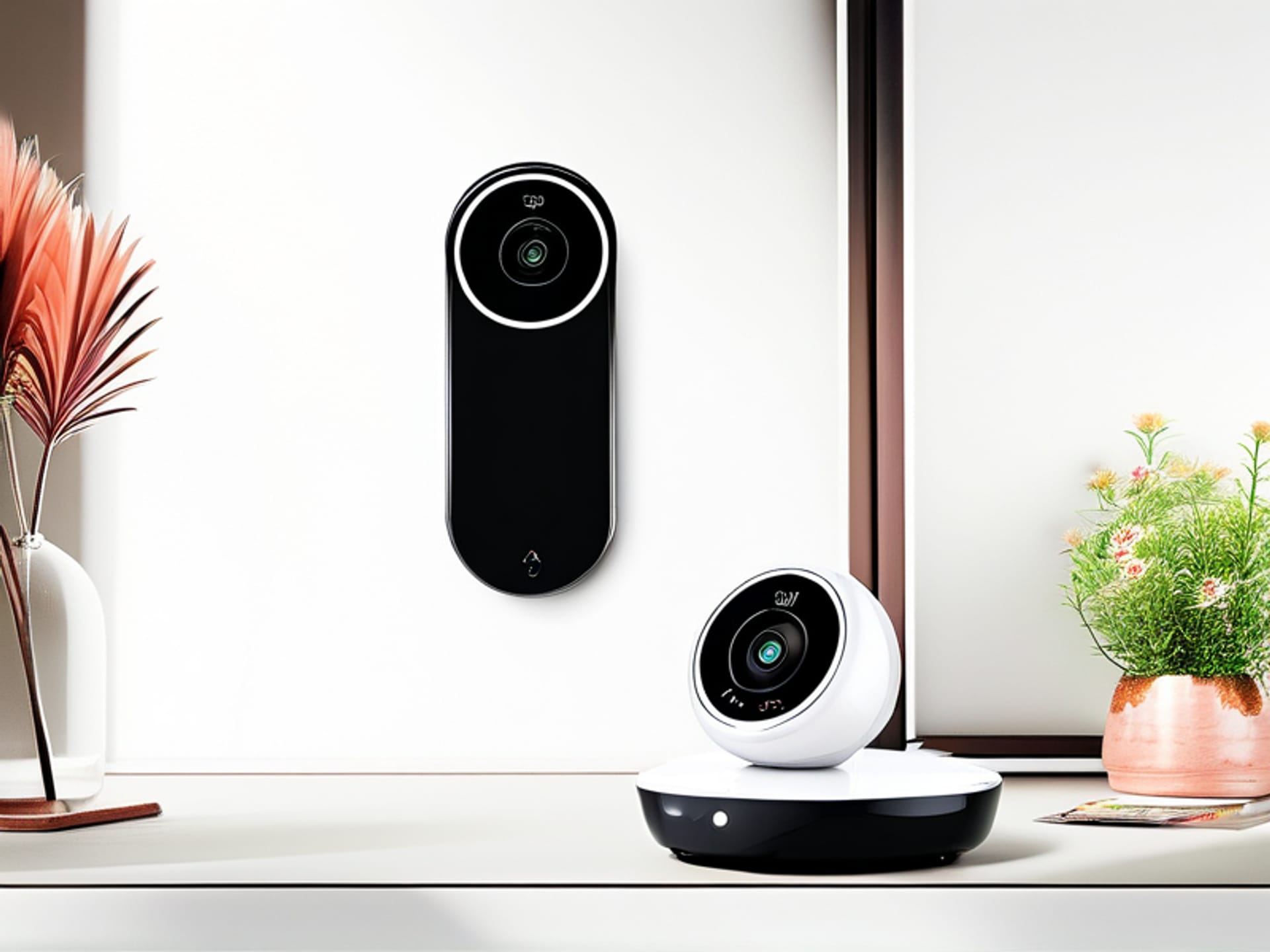
Think of this as the à la carte menu. You buy a smart doorbell here, a medical alert pendant there, maybe a camera for the back door. It's the DIY path. You pick the pieces, you set them up. The upside? You're not locked into one company. It's usually cheaper upfront. The downside? You are the IT department. When that camera won't connect at 2 AM, you're on the hook to fix it. And these gadgets often don't talk to each other, leaving gaps in your coverage a mile wide.
The Whole Ensemble: All-in-One Security Systems
This is the complete package. One company sends you a box with a hub, sensors, cameras, maybe even a pendant. Everything is designed to work together, right out of the box. The big sell? Brains and backup. A central brain (the hub) connects everything, often offering 24/7 professional monitoring. A break-in, a fall, a fire—the system can call for help itself. But it comes with a price tag, both upfront and usually a monthly fee. It's less about tinkering and more about turning a key and having it just work.
DIY vs. The Pros: Where the Rubber Meets the Road
This is the core of the argument, right? With DIY, you own your gear. No contracts. You feel in control. But "control" also means "total responsibility." Updating software, replacing batteries, troubleshooting. Integrated systems hand that headache to the pros. You pay for peace of mind. Someone else watches the monitors, calls the ambulance, updates the firmware at 3 AM. For someone who just needs to know they're safe, not become a cybersecurity expert, that trade-off can be worth every penny.
Cutting Through the Noise: What Actually Matters for Seniors
Forget the million features. Let's get brutally honest. What matters is this: Can they operate it during a panic? One-touch emergency buttons. Loud, clear voice communication. Automatic fall detection that doesn't require pushing a button at all. Battery life measured in years, not hours. The tech should scream for help when they can't. If the system needs a PhD to arm it, you've bought the wrong system.
So, Which One's the Right Call?
It's not a one-size-fits-all answer, and anyone who says it is is selling something. Are your parents tech-savvy and on a tight budget? The standalone route might work, if you're ready to be their 24/7 tech support. Do they value simplicity, reliability, and having a guard on duty at all times? Then the integrated system is probably the move. It’s less about the gear and more about their lifestyle—and your ability to sleep at night.