It's Not Fancy. It's About Not Losing Your Mind.

Let's be real here. A content calendar isn't some magic growth hack. It's the most basic tool to stop feeling like you're constantly on fire. Posting at random, forgetting what you said last week, scrambling for ideas at 5 PM? That's the stress spiral. A simple calendar, even a free one, pulls you out of that chaos and into something that looks an awful lot like control. Start with control, not virality.
Your Tools: Google Sheets, Not Magic Beans
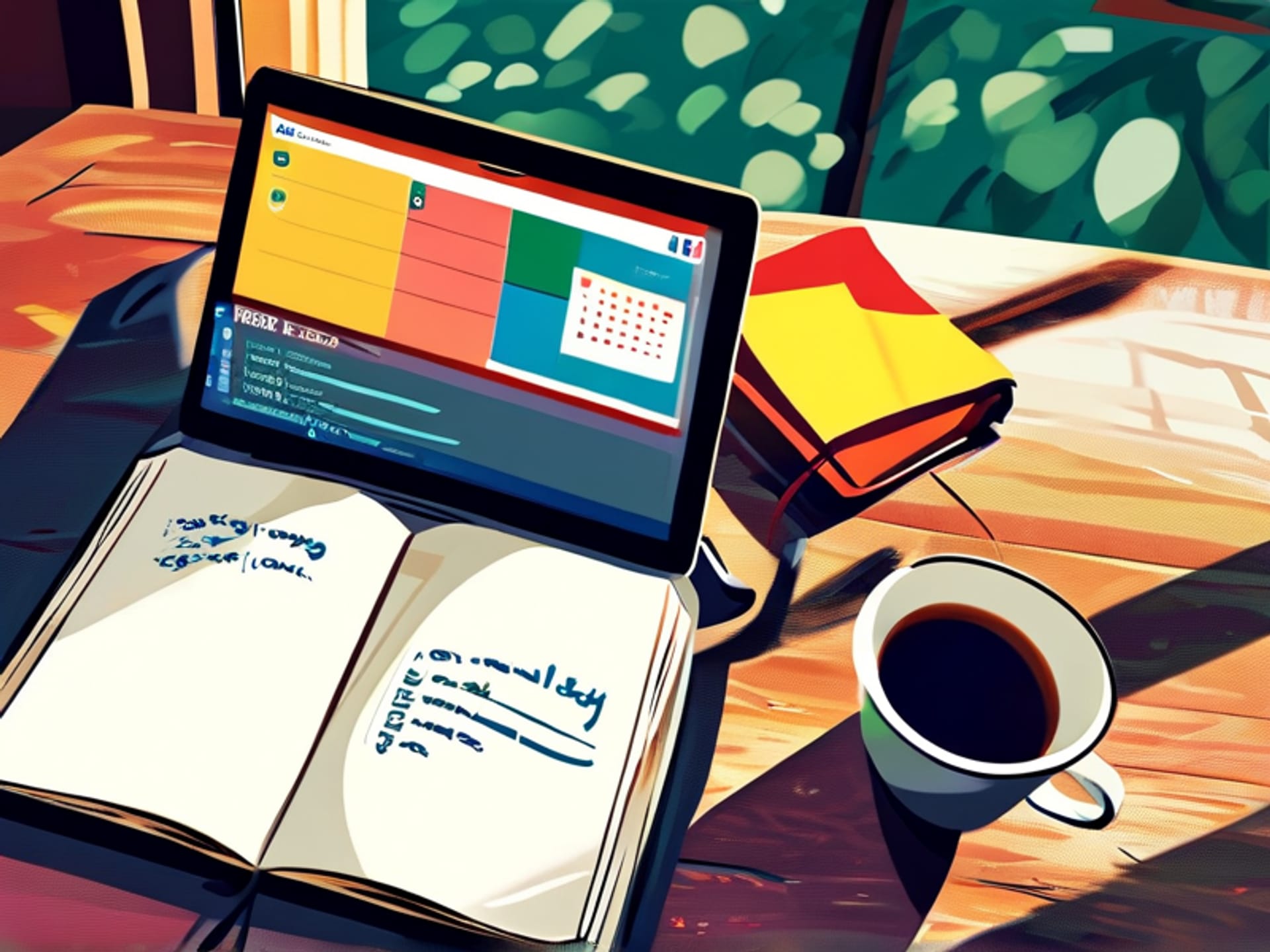
Don't get sold a shiny, expensive platform right out of the gate. I've seen people burn budgets on tools they don't need. Your first calendar should be Google Sheets, Trello, or even a physical whiteboard if that's your jam. The goal is to see your entire plan at a glance. Platform, date, post copy, visual idea, link. Keep it stupid simple. You can graduate to the fancy stuff later, once you've proven you'll actually use it.
The Huge Power of "Batch & Hold"
Here's your first real time-saver. Don't write one post every day. You'll hate your life. Pick a day—maybe Tuesday—and sit down for 90 minutes. Knock out your core captions for the whole upcoming week. Just the text. Then, pick another day to find or create all the images/videos. You're batching the work. Then, you schedule them (or hold them in your draft folder). The daily grind becomes simple copy-paste-and-post. Trust me on this.
Pencil, Not Chisel: Build in Flex
A rigid calendar will break. News breaks. A trending topic hits. Your brilliant Tuesday post suddenly feels off. Your calendar is a blueprint, not a prison sentence. I leave 20% of my slots (one a week, maybe a story slot per day) completely open. Label them "Flex" or "Trending." This lets you jump on relevant moments without blowing up the whole plan. The structure supports the spontaneity; it doesn't kill it.
The Laziest Growth Hack: The Repurpose Loop
Feeling tapped for ideas? Look backward. That blog post you wrote? Slice it into 3 carousel slides. That customer testimonial? Turn it into a quote graphic. That how-to video? Pull the key audio for a clip and write a caption around it. Your calendar should have a column that asks, "What existing piece can this come from?" One piece of real work can fuel a week of posts. It's not lazy, it's smart.
Stop Posting Blind: The One Metric Check-in
All this planning is useless if you don't glance at the results. But you're a beginner, so don't drown in data. Pick ONE metric to look at each week. Just one. Maybe it's which post got the most saves, or which story poll got the highest response rate. Every Friday, spend 10 minutes looking at that one thing. Ask yourself, "Why did that one do better?" That tiny habit turns your calendar from a random posting schedule into a learning machine. That's the real win.