That Solid *Clunk* Still Beats a Beeping Error Message
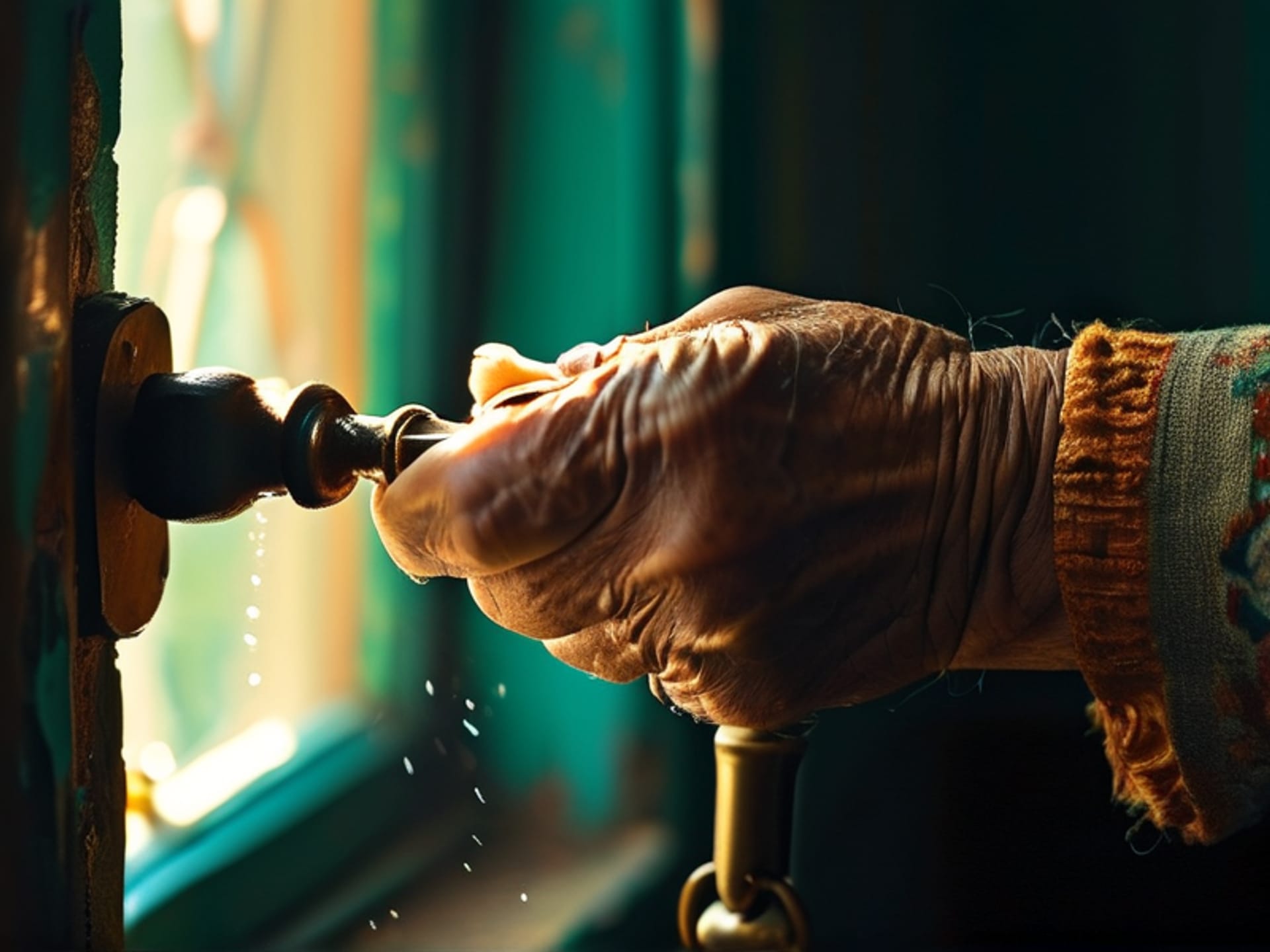
Let's be real. When you're thinking about keeping a senior loved one secure, your mind probably jumps to cameras, smart locks, and those medical alert bracelets. Tech is shiny. It promises control from your smartphone. But I want you to do something. Go to your front door. Lift the little metal latch, turn the deadbolt, and feel that solid *clunk*. That's a sound no app notification can ever replicate. It’s a physical, un-hackable, power-outage-proof guarantee. That's your **analog backup**. It's not fancy. It just works. Every single time.
When Alexa Can't Hear You Fall: The Tech That Cries Wolf

Smart tech is amazing... until it isn't. Wi-Fi drops. Batteries die. Grandma misplaces the panic button in her knitting bag. The sophisticated camera system sends you 47 alerts because a squirrel ran across the porch. This is the heart of **tech limitations**. It creates a false sense of security that can be more dangerous than having nothing at all. You start relying on a system that has a hundred little failure points. Meanwhile, the basics—the stuff that doesn't need a password—get forgotten. That's a gamble.
Forgetting Passwords, Remembering Routine
Here's the thing about seniors and safety: **common sense safety** habits, burned into daily routine, are their first and best line of defense. It's the ritual of locking the door *every* time. It's the habit of checking the peephole. It's leaving a light on in the evening. It's keeping a charged, old-school corded phone in the bedroom. This isn't about intelligence—it's about creating a fortress of habit. Tech fails, but a 40-year habit of locking that deadbolt? That's ironclad. This is where safety truly lives.
The Best of Both Worlds: A Lock, a Light, and a Link
So do we throw out the tech? Absolutely not. The goal isn't *low-tech vs. high-tech*. It's **low-tech AND high-tech**. This is the **hybrid security approach**. It means that heavy-duty deadbolt is your primary lock—the smart lock is just a convenient add-on for trusted family. It means that motion-sensor path lights guide the way to the bathroom at 2 AM, but a traditional lamp is always on the nightstand. It's using a video doorbell to see who's there, but still teaching the habit of "Don't open the door for strangers." One supports the other. The analog habits are the bedrock; the smart tech is the convenient, extra layer on top.
Stop Overcomplicating Safety
Start with the **deadbolt importance**. Get that right. Then, build routines that don't rely on a working internet connection. *Then*—and only then—layer in the tech that truly simplifies life and adds a connection for you. A flat battery in a sensor is an annoyance. An unlocked door is a catastrophe. Build from the unbreakable foundations outward. That's how you find the balance. That's how you build real peace of mind, for them and for you.