How to Order Food in Japan Like a Local: A Complete Restaurant Guide
My first meal in Japan was at a tiny ramen shop in Shinjuku, and I stood frozen in front of the vending machine outside for a solid four minutes. There were buttons with Japanese characters, no pictures, and a line of salarymen forming behind me. I panicked, pressed a random button, and ended up with a bowl of salt ramen that cost 850 yen ($6.50) when I really wanted miso. That embarrassing moment pushed me to learn everything I could about ordering food Japan style. After two years of living in Osaka and eating my way through 47 prefectures, I can confidently say that navigating Japanese restaurants is much simpler than it appears once you understand the patterns.
Special Dining Experiences
Japan offers dining experiences that simply don't exist anywhere else. At an izakaya, the Japanese equivalent of a pub, you'll typically be seated and given an oshibori (wet towel) and a menu. Order a drink first, then tapas-style dishes to share. At my favorite izakaya in Osaka's Dotonbori district, I always start with a draft Asahi for 480 yen and a plate of takoyaki for 580 yen. At conveyor belt sushi restaurants like Sushiro, simply grab plates as they pass. Each plate is color-coded by price, usually ranging from 100 to 500 yen.
Then there are specialty experiences that require advance knowledge. At a yakiniku restaurant, where you grill your own meat at the table, the staff will bring raw cuts and explain cooking times. At Gyu-Kaku in Shibuya, premium wagyu ribeye runs about 1,980 yen for 80 grams. Robatayaki restaurants, where the chef passes food across a counter on long wooden paddles, are another uniquely Japanese experience. At Inakaya in Roppongi, expect to spend 8,000 to 15,000 yen per person for an unforgettable interactive meal.
Entering a Restaurant Properly
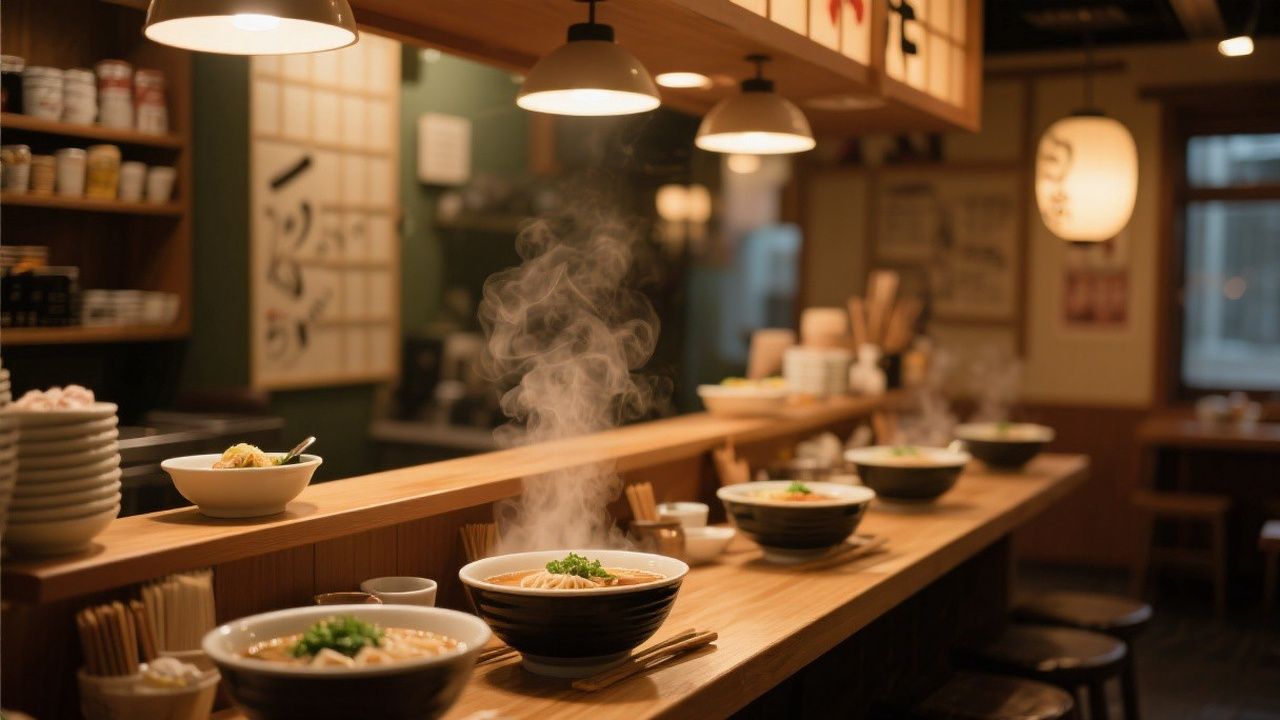
The entrance ritual at a Japanese restaurant matters more than most tourists realize. Many restaurants have a motion sensor that triggers "Irasshaimase!" (welcome). You don't need to respond; it's simply an acknowledgment. However, if a staff member asks "Nan-mei sama desu ka?" (how many people?), respond with your party size using fingers if needed. Many restaurants display plastic food samples in glass cases outside. These are incredibly accurate representations of every dish, complete with portion sizes. At the Matsuya beef bowl chain, the displays show exactly what a 380-yen gyudon looks like. Simply point to what you want when you enter.
Shoe etiquette is crucial. If you see a genkan (raised entryway) with slippers lined up, remove your shoes and step up in the provided slippers. At traditional restaurants with tatami seating, you'll remove the slippers too and sit in socks. I once walked into a ryokan dining room in Hakone with my shoes on and the mortified look on the host's face is something I'll never forget.
Menu Reading Basics
Japanese menus range from single-page laminated sheets to thick bound books. The first thing to look for is the set meal or teishoku option, usually priced between 800 and 1,500 yen. A teishoku typically includes rice, miso soup, pickled vegetables, and a main dish. At Ootoya, a popular chain across Japan, the grilled mackerel set costs 890 yen and is one of the best value meals in the country. Understanding a few kanji characters helps: nikuhiki (meat dishes), sakana (fish), yasai (vegetables), and gohan (rice). Prices are usually listed without tax, so add 10% to your mental total.
Digital menus are becoming increasingly common. Many restaurants now have QR codes on tables that link to multilingual digital menus. At the Tsukiji Outer Market, several vendors use tablet-based ordering systems with English, Chinese, and Korean options. I always screenshot the menu from Google Maps reviews before visiting a new restaurant; it saves time and reduces anxiety when ordering.
Chopstick Etiquette
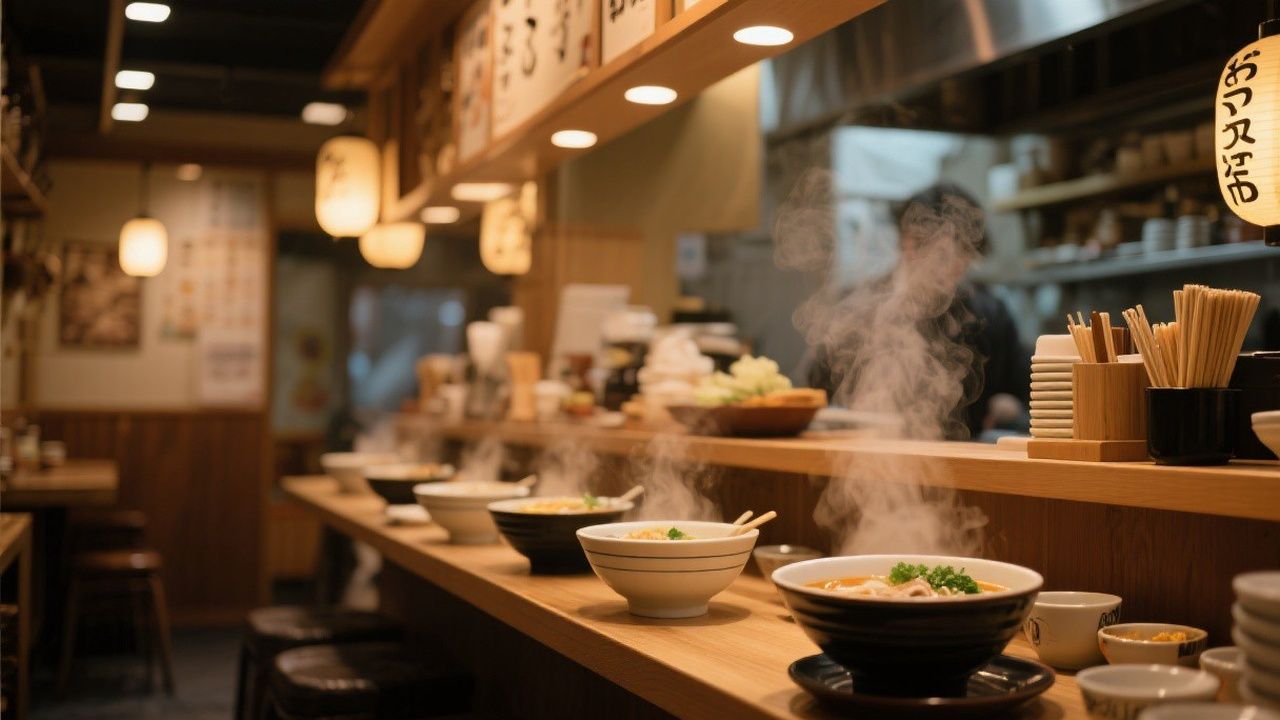
Chopstick rules in Japan are more strict than in other Asian countries. The most important rule: never stick your chopsticks vertically into a bowl of rice. This resembles incense sticks at funerals and is considered a death omen. When you're not using them, rest your chopsticks on the provided hashioki (chopstick rest). Never pass food directly from your chopsticks to someone else's, as this mirrors a funeral ritual involving cremated bones. Also, don't point with your chopsticks, don't skewer food with them, and don't use them to pull dishes toward you.
When you finish eating, place your chopsticks back on the hashioki with the tips pointing left. If you used disposable chopsticks, slide them back into their wrapper and fold the bottom third over to signal they've been used. At ramen shops, it's perfectly acceptable to lift the bowl to your mouth and slurp the noodles loudly. In fact, slurping is considered a compliment to the chef because it shows you're enjoying the food. This is one of the few contexts where making noise while eating is not only acceptable but encouraged in the Japan dining guide experience.
Essential Tips to Keep in Mind
- Tipping is not practiced in Japan and can cause confusion. If you leave money on the table, staff may chase you thinking you forgot your change.
- Carry cash. Many smaller restaurants, especially ramen shops and family-run establishments, don't accept credit cards.
- Say "itadakimasu" before eating and "gochisousama deshita" after finishing. These phrases express gratitude for the food.
- Don't ask for modifications to dishes. Japanese chefs take immense pride in their recipes, and requesting changes is generally frowned upon outside of allergy situations.
- Lunch is significantly cheaper than dinner. The same restaurant that charges 3,000 yen for dinner often offers a lunch set for 1,000 to 1,500 yen.
Frequently Asked Questions
Do I need to speak Japanese to eat at local restaurants?
No, but learning a few phrases helps enormously. Pointing at menu items, using the plastic food displays, and saying "kore onegaishimasu" (this one please) will get you through most meals.
Are there vegetarian or vegan options in Japan?
Major cities have growing vegan and vegetarian scenes. Tokyo has dedicated vegan restaurants like T's Tantan in Tokyo Station. However, in rural areas, options are limited. Learn to say "watashi wa bejitarian desu" and be prepared that dashi (fish stock) is used in almost everything.
How much should I budget for daily meals in Japan?
Budget travelers can eat well for 2,000 to 3,000 yen per day. Mid-range dining runs 5,000 to 8,000 yen per day. Fine dining can easily exceed 15,000 yen per person for a single meal.
Final Thoughts
Eating in Japan is about far more than sustenance. Every meal is an opportunity to engage with centuries of culinary tradition, impeccable craftsmanship, and genuine hospitality. From the precision of a sushi chef at Tsukiji to the warmth of a grandmother running a soba shop in Nagano, the Japanese dining experience rewards curiosity and respect. You don't need to memorize every rule or learn fluent Japanese. Just approach each meal with an open mind, observe what locals do, and don't be afraid to make mistakes. The staff at almost every restaurant I've visited have been patient, kind, and genuinely happy to see foreigners enjoying their food.