How to Learn Basic Phrases in Any Language Before You Travel
I boarded an overnight bus from Marrakech to Essaouira with exactly three Arabic phrases in my vocabulary: "shukran" (thank you), "la" (no), and "bikhir" (fine). The bus broke down at 2 AM on a dark stretch of highway, and the driver started speaking rapidly in Arabic to the 40 passengers. Everyone around me seemed to understand the plan except me. A woman sitting next to me translated in broken French that we'd need to wait for a replacement bus. Those three hours in the Moroccan desert convinced me that learning basic language for travel isn't a luxury; it's a necessity. Since that night, I've developed a system for picking up essential phrases in any language within two to three weeks.
Language-Specific Challenges
Every language presents unique hurdles for travelers. Tonal languages like Thai, Vietnamese, and Mandarin Chinese require you to master pitch variations that change word meanings entirely. The Thai word "mai" can mean "new," "burn," "wood," or be a question particle depending on the tone. I spent a week in Bangkok accidentally asking for a "horse" instead of "near" because I used a rising tone instead of a falling one. For tonal languages, I recommend spending your first few days focused entirely on tone practice using audio resources like Pimsleur or YouTube pronunciation guides.
Languages with different writing systems, such as Japanese, Korean, Arabic, Russian, and Thai, add a visual barrier. Before visiting Japan, I spent two weeks learning hiragana and katakana using the Dr. Moku app for $5. For Arabic, I learned to recognize just 15 key characters that appear frequently on street signs. You don't need literacy; you need functional recognition of common patterns. Rather than trying to master grammar rules, focus on memorizing complete phrases as units. This chunking approach works remarkably well for travelers who need functional communication fast.
Most Essential Phrases to Learn
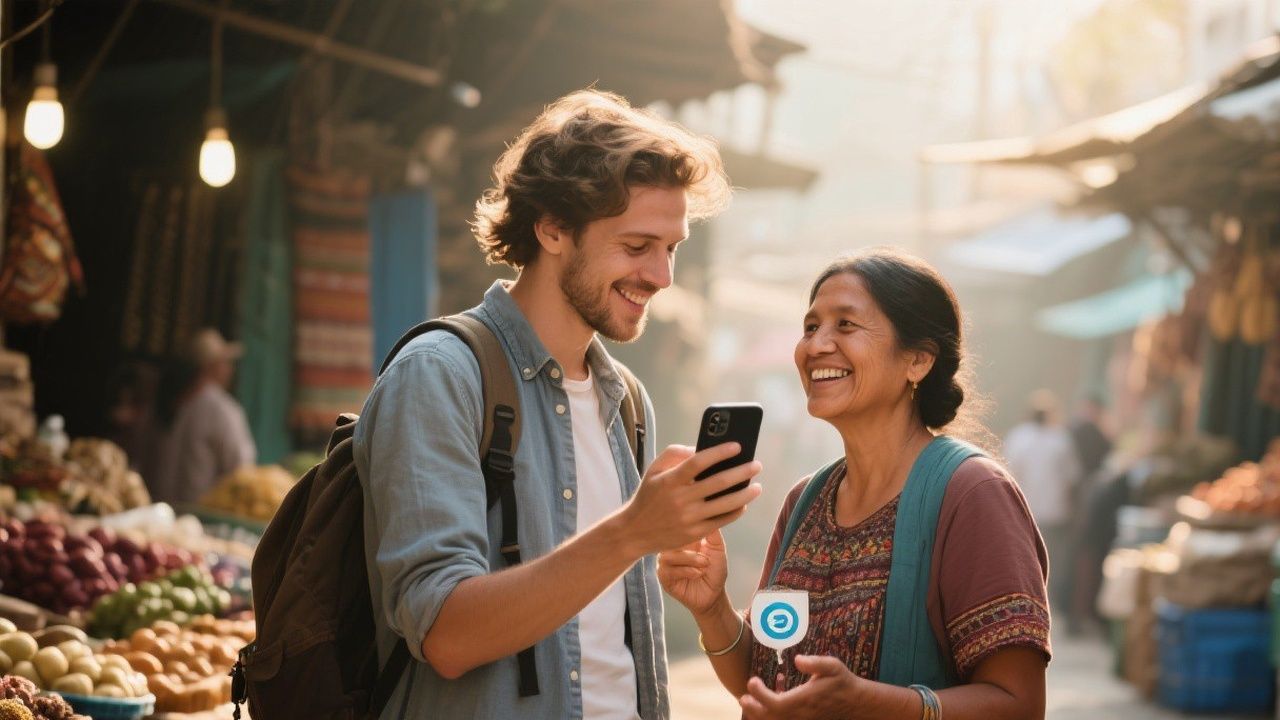
After traveling to 40 countries with varying levels of language preparation, I've identified 15 phrases that genuinely make a difference. The polite basics come first: hello, goodbye, please, thank you, excuse me, and sorry. In Turkish, mastering "merhaba," "gule gule," "lutfen," "tesekkurler," "affedersiniz," and "ozur dilerim" covers about 80% of basic social interactions. These six phrases alone signal to locals that you respect their culture, which dramatically changes how they treat you.
The next tier includes functional survival phrases: "Where is the bathroom?", "How much does this cost?", "I don't understand," "Do you speak English?", "I need help," and "The check, please." In Vietnam, knowing "toilet o dau" saved me during a desperate search in Hoi An's old town. The third tier is situation-specific. If you have dietary restrictions, learn "I am vegetarian" or "I am allergic to [item]" in the local language. In Thailand, knowing "mai pet" (not spicy) literally saved my stomach during a two-week trip through the country's famously fiery southern cuisine.
Best Language Learning Apps
Duolingo is excellent for building vocabulary in bite-sized lessons, but its travel usefulness is limited because it focuses on random sentences rather than practical scenarios. I use Duolingo as a warm-up tool, spending 15 minutes a day for two weeks before a trip. For more targeted travel language learning, I recommend Memrise, which has specific "Travel" courses for dozens of languages that focus on practical phrases and pronunciation.
Pimsleur is my top recommendation for audio-based learning. The Pimsleur method emphasizes speaking and listening through spaced repetition, and their 30-minute daily lessons are perfect for commuting. A Pimsleur Level 1 course costs about $150, but many public libraries offer free access through the Libby app. I used Pimsleur Portuguese before a trip to Brazil and was able to have basic conversations within three weeks. For languages with different scripts, Drops is excellent for visual vocabulary building with beautiful illustrations and five-minute sessions.
Phrasebook vs App Comparison
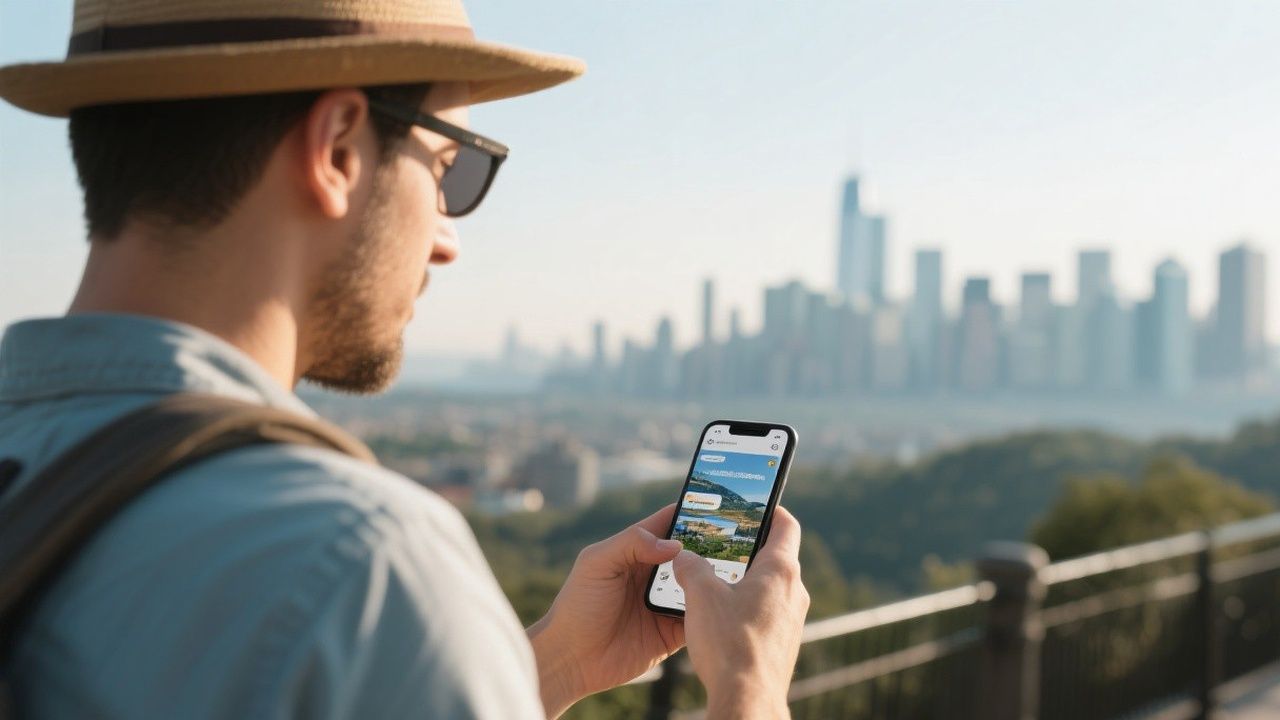
I carry both digital and physical resources when I travel. Digital apps like Google Translate offer instant translation and audio pronunciation, but phones die and internet connections fail. A physical phrasebook never runs out of battery. The Lonely Planet phrasebook series costs about $10 each and covers practical travel scenarios with pronunciation guides. I used the Lonely Planet Turkish phrasebook extensively during a month in Turkey.
The main advantage of phrasebooks is their curated content organized by scenario: at the hotel, at the restaurant, at the market, in an emergency. I also create a personal "cheat sheet" by writing the 20 phrases I use most on a single index card. The ideal approach is to use apps for preparation and phrasebooks as backup. Spend three weeks before your trip using apps like Pimsleur and Memrise, then buy a physical phrasebook and review it on the flight over.
Essential Tips to Keep in Mind
- Start learning at least three weeks before your trip. Cramming phrases the night before your flight is ineffective because you need time for vocabulary to transfer to long-term memory.
- Practice with native speakers before you travel. Apps like HelloTalk and Tandem connect you with language exchange partners who want to learn English.
- Record yourself speaking and compare it to native pronunciation. Most people can't hear their own errors without playback.
- Learn the polite form of the language first. Many languages have formal and informal registers, and using the formal version with strangers is always appropriate.
- Don't worry about making mistakes. Locals universally appreciate the effort, and a badly pronounced phrase delivered with a smile is always better than speaking loudly in English.
Frequently Asked Questions
How many phrases do I really need to learn?
About 15 to 20 phrases will handle 90% of basic travel situations. Focus on greetings, politeness, numbers, directions, food ordering, and emergency phrases.
What if the language has a different alphabet?
You don't need to learn to read fluently. Focus on recognizing 10 to 20 common words that appear on signs: exit, entrance, bathroom, hotel, and restaurant. Apps like Drops make this visual recognition easy.
Is it worth learning a language for a short trip?
Absolutely. Even for a three-day visit, knowing basic phrases changes how locals interact with you. I spent just four days in Tbilisi, Georgia, but the Georgian phrases I'd learned led to invitations to a traditional feast that became the highlight of my entire Caucasus trip.
Final Thoughts
Learning basic phrases before you travel isn't about achieving fluency. It's about showing respect, building connections, and gaining independence in unfamiliar places. Every phrase you learn is a key that unlocks a small door in a foreign country. The ability to say "thank you" in the local language, to ask for directions without pointing, to order food without pantomiming, these small victories accumulate into a richer, more confident travel experience. You don't need talent or years of study. You need three weeks, a smartphone, and the willingness to sound a little foolish. The rewards far outweigh the effort.