Egyptian Cotton and Papyrus: Ancient Crafts You Can Still Buy Today
I bought my first genuine Egyptian papyrus in a cramped Luxor studio, watching a man named Ahmed strip the fibrous inner pith from a cyperus papyrus stalk, soak it, and press the strips into overlapping layers using a wooden frame. The entire process took 15 minutes. He then painted a scene from the tomb of Nefertari using pigments mixed with gum arabic, and the colors glowed against the pale textured surface. I paid 250 Egyptian pounds, roughly USD 8, for a 30-by-40-centimeter painting that now hangs in my hallway. It remains one of my favorite travel purchases.
Egypt's craft traditions stretch back thousands of years. While mass production has flooded markets with cheap imitations, authentic Egyptian cotton and hand-made papyrus are still widely available if you know where to look. This guide covers both, along with related crafts like cartouche jewelry, based on my experiences in Cairo, Luxor, and Aswan.
Bargaining in Egyptian Markets
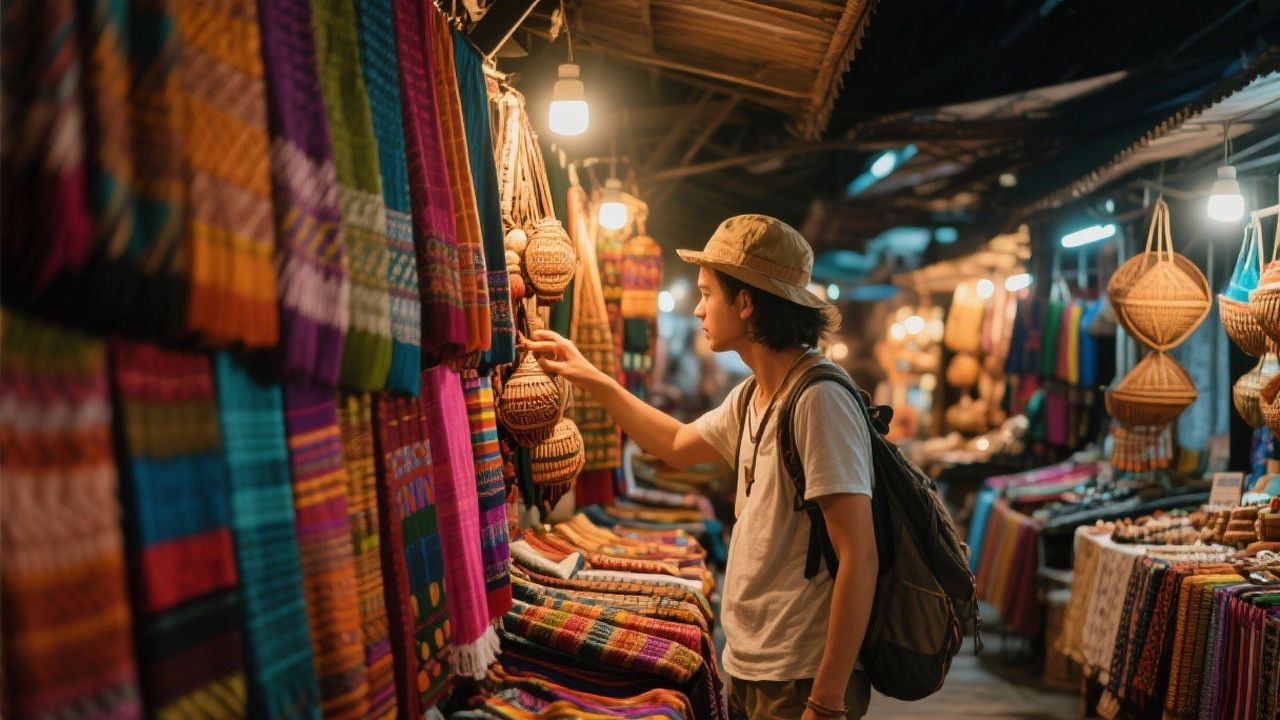
Bargaining is expected in Egyptian markets, and the initial price is almost always two to four times the actual value. I learned this the hard way at the Khan el-Khalili bazaar, paying 800 pounds for a papyrus painting later priced at 200 pounds at a Luxor workshop. Now I approach every transaction with a strategy.
Browse multiple stalls to establish a baseline. In Khan el-Khalili, papyrus paintings range from 50 to 500 pounds depending on size and complexity. Cotton scarves start at 100 pounds for machine-embroidered and 300 to 800 pounds for hand-embroidered. Make your first offer at 30 to 40 percent of the asking price. The vendor will express shock, but this is theater. Negotiate upward in small increments, and be prepared to walk away. I typically aim for a final price of 50 to 60 percent of the initial ask, which leaves both parties satisfied. If a vendor accepts immediately, you offered too much.
Shipping from Egypt
For papyrus, buy a mailing tube from any post office (20 to 50 pounds). Egypt Post offers international surface mail for 150 to 300 pounds per kilogram, taking two to six weeks. Airmail costs 300 to 500 pounds per kilogram, arriving in seven to 14 days. For heavier items like cotton bedding, DHL and FedEx charge USD 8 to USD 15 per kilogram to Europe and USD 12 to USD 20 to the US, with three to five day delivery. A 3-kilogram package of cotton sheets to London via DHL cost me USD 45. Always get tracking numbers and insure for full value.
Many hotel gift shops and larger vendors offer shipping as a service, typically 20 to 30 percent above arranging it yourself. The Winter Palace Hotel in Luxor ships worldwide for a flat USD 25 plus courier costs. Ask your concierge for recommendations if you are unsure about arranging shipping independently.
Cartouche Jewelry
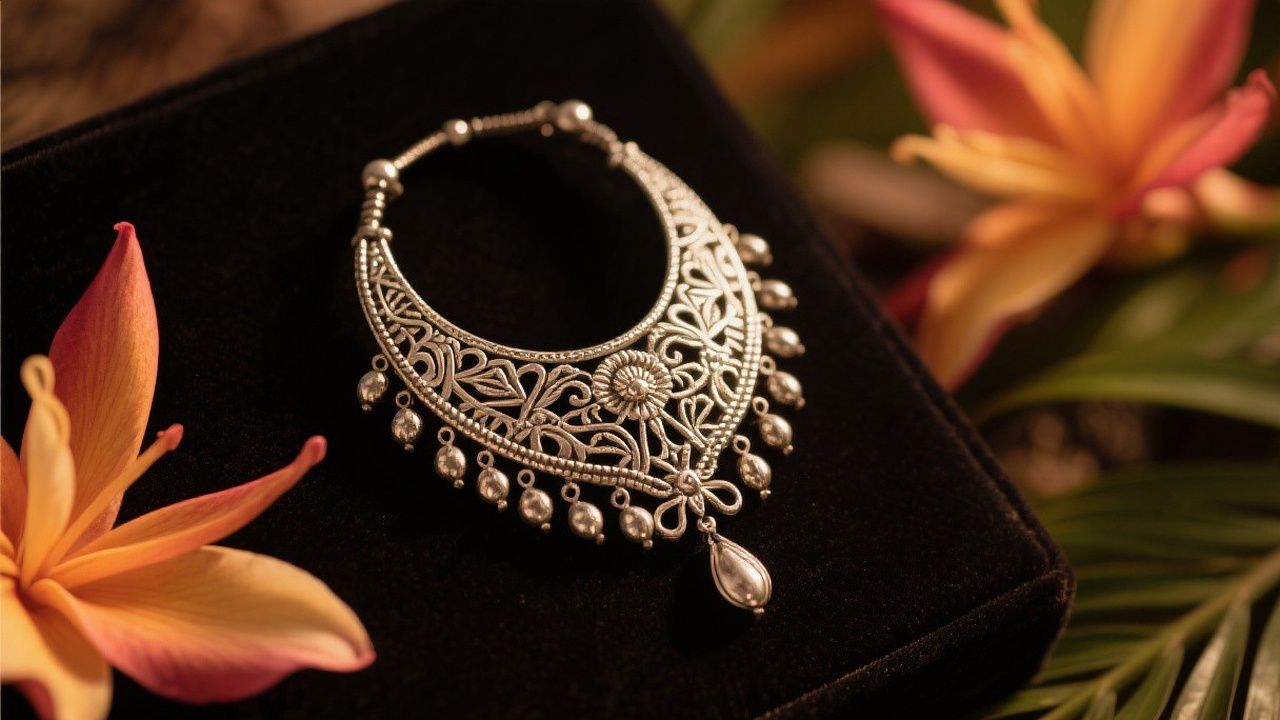
A cartouche is an oval frame containing hieroglyphic inscriptions, originally used by pharaohs to encircle their names. Having your name translated into hieroglyphs and inscribed on a gold or silver cartouche is a memorable experience. The best place is the Khan el-Khalili bazaar, where several goldsmiths have produced them for generations.
A sterling silver cartouche costs 300 to 600 pounds. Solid 18-karat gold starts at 3,000 to 5,000 pounds for a small pendant and can reach 15,000 pounds for larger pieces. I bought a medium silver cartouche for 400 pounds from Sawsan Gold in the bazaar. The entire process, from name translation to engraving, took 45 minutes. The goldsmith showed me the hieroglyphic alphabet and let me approve the design before engraving.
Be cautious about gold purity claims. Some vendors sell gold-plated silver as solid gold. Always ask for a certificate and check the government hallmark stamp inside the cartouche. Egyptian law requires gold jewelry to carry a hallmark indicating karat purity. For silver, look for a "925" stamp. Reputable shops provide receipts specifying metal type, weight, and purity.
Identifying Real Papyrus
The market is flooded with fakes. Genuine papyrus is made from the inner pith of the cyperus papyrus plant, which grows along the Nile. The fibers are soaked, pressed into overlapping layers, and dried, creating visible horizontal and vertical fiber patterns. Hold a genuine sheet up to light and you can see individual fibers and the lattice where layers overlap. The texture is slightly rough and organic, not smooth like paper.
Fake papyrus is typically banana leaf, rice paper, or treated printer paper. The easiest test is water. Real papyrus is extremely water-resistant because fibers are bonded without adhesive. Wet a corner and rub gently: genuine papyrus will not disintegrate or shed fibers. Fakes start dissolving immediately. Most reputable vendors will let you perform this test. If they refuse, that is a strong indicator.
Price is another reliable indicator. Hand-made papyrus from a genuine workshop costs 100 to 500 pounds for a standard 30-by-40-centimeter size. Machine-printed fakes on banana leaf sell for 20 to 50 pounds. The best places are workshops in Luxor and the Papyrus Institute in Giza, near the pyramids, open daily 9 AM to 6 PM, which offers demonstrations and certified authentic pieces.
Essential Tips to Keep in Mind
- Always perform the water test on papyrus. Genuine papyrus will not dissolve or peel when wet.
- Bargain for everything in markets, aiming for a final price of 50 to 60 percent of the initial ask.
- Buy cartouche jewelry only from shops providing a certificate and government hallmark.
- Ship papyrus in mailing tubes. Use DHL or FedEx for faster, insured delivery.
- Visit the Papyrus Institute in Giza or Luxor workshops for the most authentic products and best prices.
- Check thread count before buying linens. Genuine Egyptian cotton should be at least 400 thread count.
Frequently Asked Questions
How can I tell if the cotton is genuine?
Check the label for "100% Egyptian cotton" and a thread count of at least 400. Genuine Egyptian cotton has extra-long staples producing smooth, lustrous fabric. Buy from reputable stores like the Cottonil chain in Cairo.
Is papyrus art durable enough for framing?
Yes. Genuine papyrus can last centuries if kept dry and away from direct sunlight. Frame behind UV-protective glass to prevent pigment fading. Avoid hanging in humid areas like bathrooms.
How much should I budget for souvenirs in Egypt?
Budget USD 50 to USD 150 per person for quality souvenirs covering a papyrus painting, cotton scarf, and small cartouche. For gold jewelry or cotton bed linens, budget USD 200 to USD 500.
Final Thoughts
Egypt's ancient crafts are living traditions practiced by skilled artisans who take genuine pride in their work. The papyrus from Ahmed in Luxor, the cotton scarf from Khan el-Khalili, and the silver cartouche with my name in hieroglyphs are not just souvenirs. They are tangible connections to one of the oldest civilizations on Earth, made by people who inherited techniques passed down through countless generations. Take the time to find the real thing and bring home something with genuine meaning.