The Best Essential Oils to Buy in Provence, France
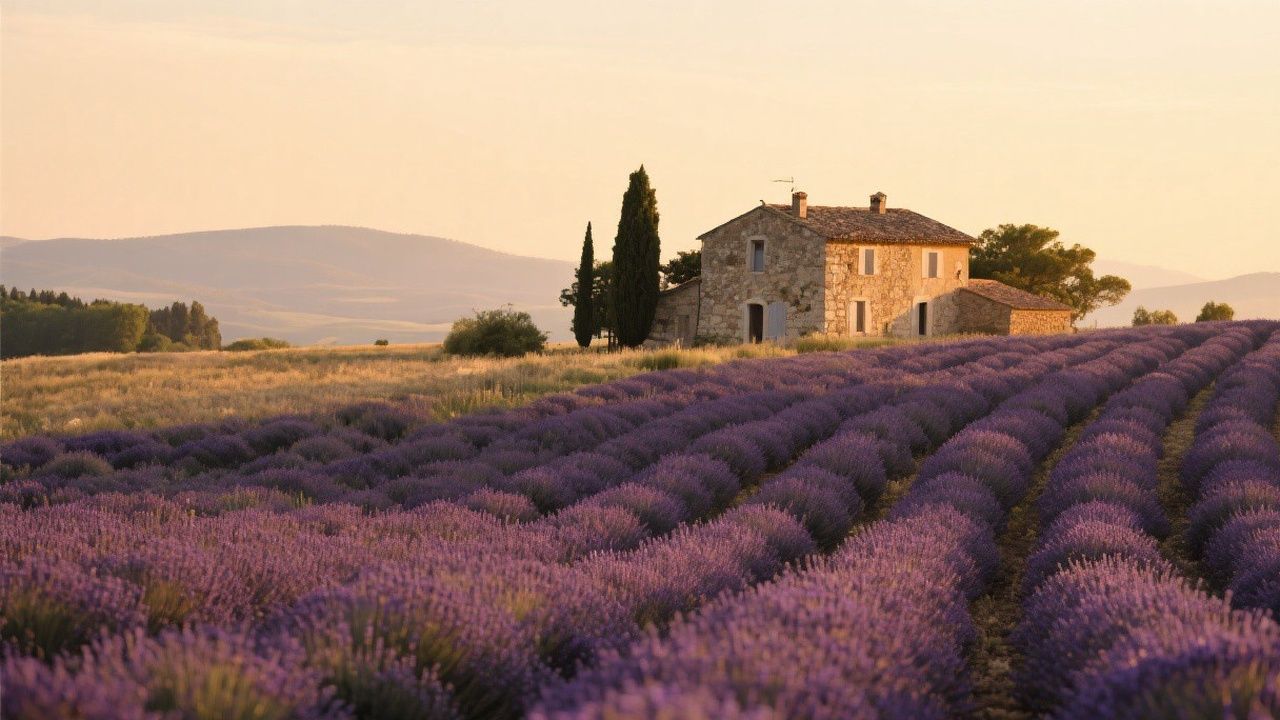
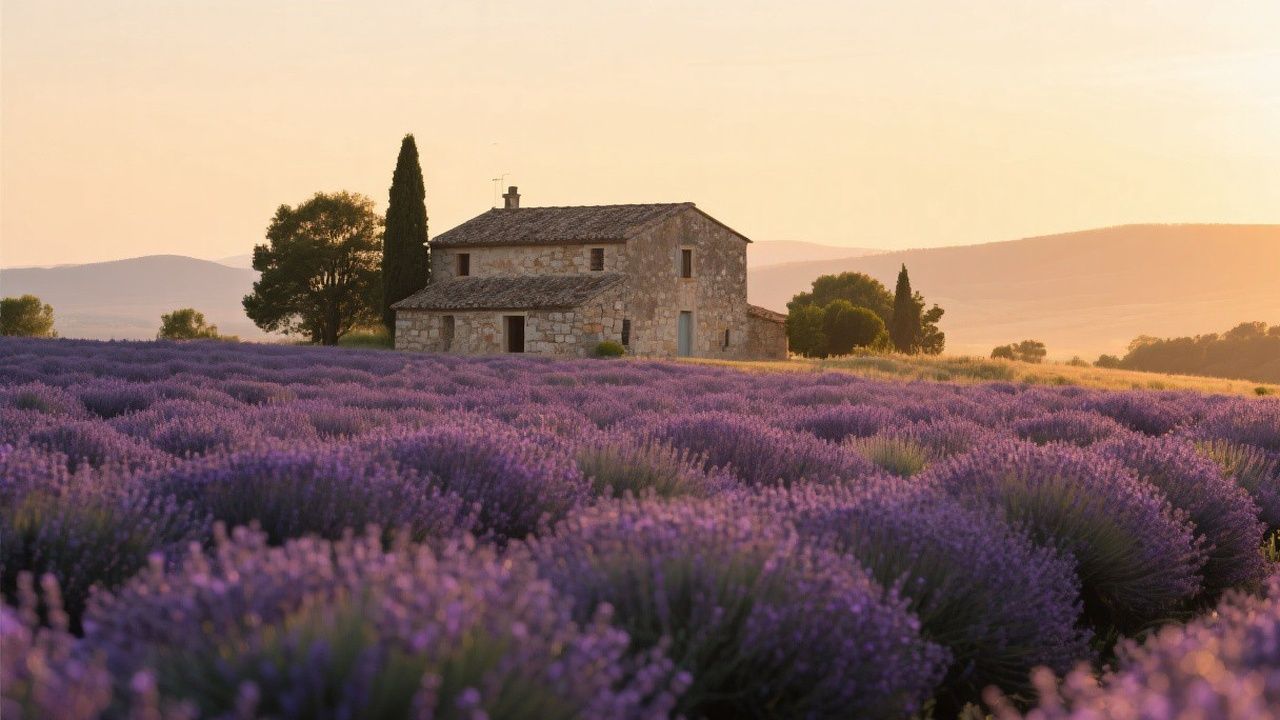
The first time I drove through Provence in late June, the lavender fields hit me before I even saw them. The scent poured through the car windows — sweet, herbaceous, slightly camphoraceous — and within minutes I was pulling over to stand at the edge of a field stretching to the horizon in neat purple rows. That is the thing about Provence. The essential oils produced here are not manufactured in a laboratory. They come from this landscape — the limestone soil, the fierce Mistral wind, the 300 days of sunshine — and the result is aromatic products of extraordinary quality that you simply cannot replicate anywhere else. If you are visiting southern France, setting aside time to buy authentic Provencal essential oils is absolutely worth it.
Herbes de Provence Blends
Herbes de Provence is the culinary backbone of southern French cooking, and buying a proper blend in Provence is a completely different experience from picking up a jar at your local supermarket. The traditional mixture includes dried thyme, rosemary, oregano, marjoram, and savory, with lavender added in some regional variations. I found the best selection at the Marché d'Apt, a weekly market held every Saturday in the town of Apt in the Luberon region. Vendors sell loose herbs by weight from large burlap sacks, and a 100-gram bag of a house blend costs about 5 to 8 EUR. The difference in aroma and flavor compared to pre-packaged supermarket versions is staggering — the herbs are visibly more vibrant, more colorful, and the scent is intensely concentrated.
For something more specialized, the Abbaye de Sénanque, a 12th-century Cistercian monastery near Gordes, produces its own herbes de Provence blend using herbs grown on the monastery grounds. The monks have been cultivating lavender, thyme, and sage here for centuries, and their blend includes a generous proportion of dried lavender flowers that gives it a distinctive floral note. A 50-gram tin costs about 9 EUR and is available at the monastery shop. The setting alone — the monastery is surrounded by lavender fields with the abbey's stone walls rising behind them — makes the visit worthwhile.
If you want to create your own custom blend, most Provencal markets sell individual dried herbs by weight. Buy small quantities of each — 20 grams of thyme, 15 grams of rosemary, 10 grams of lavender flowers — and mix them at home. The total cost will be under 10 EUR, and you will have a personalized blend that no one else has. Store them in airtight glass jars away from direct sunlight, and they will retain their potency for 6 to 12 months.
Perfume and Fragrance Products
Grasse, a town about 40 kilometers north of Cannes, has been the perfume capital of the world for over three centuries, and it remains the best place in Provence to buy fragrance products. The Fragonard perfume factory offers free guided tours that walk you through the entire extraction process, from flower fields to finished bottle. At the end of the tour, the factory shop sells exclusive fragrances at prices significantly below retail. I bought a 100ml bottle of Fragonard's Belle de Nuit eau de toilette for 45 EUR — the same bottle retails for 75 EUR in Paris. The shop also sells smaller discovery sets starting at 25 EUR, which make excellent gifts.
For artisanal perfumes, check out the ateliers in the village of Valensole. Perfumerie de Valensole creates small-batch fragrances using locally distilled lavender, rose, and jasmine essential oils. Their signature scent, "Lavande Bleue," is a fresh, clean lavender fragrance that manages to avoid smelling soapy or artificial. A 50ml bottle costs 55 EUR. The perfumer, a third-generation Grasse-trained artisan, is often in the shop and happy to explain the composition and recommend scents based on your preferences.
Solid perfumes are an underrated travel purchase because they are spill-proof and compact. L'Occitane makes excellent solid perfume tins in scents like lavender, verbena, and rose for about 12 EUR each. They last for months, fit in a pocket, and the quality is consistently high. I have been using the lavender solid perfume for two years and still get compliments on it. It is one of the most practical souvenirs you can buy in Provence.
Essential Oil Extraction Process
Understanding how essential oils are extracted in Provence transforms the buying experience from a simple transaction into an informed choice. The two primary methods used here are steam distillation and cold pressing. Steam distillation, used for lavender, rosemary, and thyme, involves passing steam through plant material in a still. The steam carries the volatile aromatic compounds into a condenser, where the oil separates from the water (the resulting floral water, or hydrosol, is also sold and makes a wonderful facial toner). I watched this process at the Distillerie Bleu Provence in Coustellet, where they run demonstrations during summer months. A 10ml bottle of their organic true lavender (Lavandula angustifolia) essential oil costs 14 EUR.
Cold pressing is used primarily for citrus oils — bergamot, sweet orange, and lemon — which are produced in smaller quantities in the coastal areas near Nice and Marseille. The peel is mechanically pressed to release the essential oil, which is then filtered and bottled. Cold-pressed citrus oils are more volatile and have a shorter shelf life than distilled oils, typically lasting 6 to 9 months rather than 2 to 3 years. Buy citrus oils in smaller quantities and use them quickly.
The quality of an essential oil depends enormously on the harvest timing and distillation conditions. Lavender harvested in late July, when the flowers are at peak bloom, produces a more complex oil with better therapeutic properties than early or late harvests. Distillation temperature and duration also matter — lower temperatures and longer distillation times preserve more delicate aromatic compounds. Producers who distill at lower temperatures (around 100 degrees Celsius rather than the faster 120+ degrees) produce superior oils, but the process takes longer and yields less, which is reflected in the price. Expect to pay 20 to 30 percent more for oils from producers who use traditional slow distillation methods.
L'Occitane en Provence Factory
The L'Occitane en Provence factory and visitor center in Manosque is the single most accessible place to buy high-quality Provencal essential oil products, even if it is the most commercialized option. The factory tour, which costs 6 EUR and runs about 90 minutes, takes you through the production lines where they formulate everything from shea butter hand cream to lavender essential oil. The visitor center shop is enormous and stocks the full L'Occitane range, including products only available at the factory. I found exclusive gift sets, limited-edition fragrances, and bulk sizes that are not sold anywhere else.
Pricing at the factory is roughly 15 to 20 percent below retail store prices, and they frequently run promotions during summer months. A 250ml bottle of their classic lavender essential oil shower gel costs 14 EUR at the factory compared to 18 EUR in their Paris boutiques. The shea butter hand cream, their bestselling product, is 12 EUR for 150ml. If you are buying gifts for multiple people, the factory shop offers pre-wrapped gift boxes at a discount compared to buying items individually.
The factory also has a small botanical garden showcasing the plants used in their products — lavender, rosemary, immortelle, verbena, and almond trees. It is beautifully maintained and free to wander through. For a more in-depth experience, L'Occitane runs workshops (25 to 40 EUR) where you can create your own custom body scrub or perfume using their essential oils. Book these in advance through their website, as they fill up quickly during July and August.
Essential Tips to Keep in Mind
- Buy essential oils in dark glass bottles only. Clear glass or plastic containers allow light to degrade the oil. If a vendor is selling essential oil in a clear bottle, it is either low quality or not genuine.
- Check the botanical name on the label. True lavender is Lavandula angustifolia (or Lavandula officinalis), while lavandin is a hybrid (Lavandula x intermedia) that produces more oil but has a less refined scent. True lavender essential oil costs significantly more.
- Visit the Abbaye de Notre-Dame de Sénanque early in the morning. By 10 AM, tour buses arrive and the peaceful atmosphere disappears entirely. The shop opens at 9:30 AM and the fields are quietest at dawn.
- Bring a padded bag or wrap bottles in clothing for the flight home. Essential oil bottles are small but glass, and luggage handlers are not gentle.
- Lavender fields peak between late June and mid-July. If you visit in August, many fields will already be harvested. Check local bloom reports before planning your trip.
Frequently Asked Questions
How much do essential oils cost in Provence? A 10ml bottle of organic true lavender essential oil ranges from 12 to 20 EUR depending on the producer and quality. Rosemary and thyme oils are slightly cheaper at 8 to 14 EUR for the same size. Rare oils like helichrysum (immortelle) can cost 30 to 50 EUR per 5ml.
Are Provencal essential oils organic? Many are, but always check for certification. Look for the "AB" (Agriculture Biologique) label on French products, or the European organic certification logo. Small producers may practice organic farming without paying for certification — ask directly if you are unsure.
Can I bring essential oils on a plane? Yes, but they must go in your checked luggage if the bottle exceeds 100ml. Essential oils under 100ml can go in your carry-on liquids bag. Keep in mind that some essential oils have strong aromas that may bother nearby passengers if opened in flight.
Final Thoughts
Provence produces essential oils that are genuinely among the finest in the world, and buying them here — surrounded by the fields and distilleries where they originate — is an experience that adds meaning to every bottle. I still have a small vial of lavender oil I bought at a farm stand outside Sault three years ago, and every time I open it, I am back in those purple fields with the wind carrying the scent of a thousand blooming plants. The prices are reasonable, the quality is exceptional, and the variety available in local markets and shops far exceeds what you will find online or in specialty stores at home. Come to Provence with an empty suitcase and a nose for quality, and you will leave with something that captures the very essence of this extraordinary region.