A Complete Guide to Exploring the Swiss Alps by Train
I bought a Swiss Travel Pass at Zurich HB station for 232 Swiss francs (about $260) for a four-day flex pass, and over the next eight days, I rode trains through some of the most spectacular mountain scenery on the planet. The Swiss public transit system is so efficient, so clean, and so punctual that it feels like science fiction compared to any other country's rail network. I arrived at every station to find my train waiting on the exact platform listed, at the exact minute scheduled, every single time. This Swiss Alps train guide covers the scenic routes worth prioritizing, the rail passes that save money, and the mistakes that cost me unnecessary francs.
Switzerland is expensive. Painfully, eye-wateringly expensive. A simple lunch of a sandwich and coffee at a Zurich station cafe cost me 18 CHF ($20). A hotel room in Interlaken in September averaged 150 CHF ($168) per night for a basic double. But the train system, paradoxically, offers incredible value when you use the right passes. The Swiss Travel Pass covers virtually all trains, buses, and boats in the country, plus free entry to over 500 museums. Without it, a single Bernina Express ticket from Chur to Tirano costs 64 CHF ($72) second class. With the pass, it is included. The math is straightforward: if you plan to take more than three or four long-distance train journeys, the pass pays for itself.
Bernina Express journey
The Bernina Express, operated by the Rhaetian Railway (RhB), runs from Chur to Tirano, Italy, crossing 196 bridges and passing through 55 tunnels over a four-hour journey. It climbs to 2,253 meters at the Ospizio Bernina station before descending into Italy through a landscape of glaciers, alpine lakes, and stone viaducts. The route is a UNESCO World Heritage Site, and after riding it, I understand why. The Landwasser Viaduct alone -- a 65-meter-tall curved bridge that emerges from a tunnel and crosses a deep valley -- is worth the entire journey.
I boarded in Chur at 8:32 AM in a panoramic car with floor-to-ceiling windows. The supplement for panoramic cars is 28 CHF ($31) in summer and 14 CHF ($16) in winter, and it is absolutely worth paying. Standard windows are smaller and partially obstructed by the train's structure. The panoramic cars also have an open-air viewing platform between carriages where you can photograph without window glare. I spent most of the journey switching between my seat and the platform, trying to capture the impossible scale of the scenery.
Key moments to watch for: the Landwasser Viaduct about 20 minutes after leaving Chur, the spiral tunnels near Bergun where the train loops over itself to gain elevation, the Lago Bianco (White Lake) at the summit where glacial meltwater creates an otherworldly turquoise color, and the descent into Tirano through terraced vineyards and Italianate villages. The train crosses the Bernina Pass without a tunnel -- the track stays above ground the entire way, which is remarkable engineering. I arrived in Tirano at 12:44 PM and took the return train at 3:00 PM, making it a full-day round trip from Chur. The return journey was equally stunning in afternoon light.
mountain excursion trains
The Gornergrat Bahn, a cogwheel railway from Zermatt, climbs to 3,089 meters and offers the most iconic view of the Matterhorn in Switzerland. The round-trip ticket costs 92 CHF ($103) and the 33-minute ascent passes through pine forests and alpine meadows before emerging above the tree line with 360-degree views of 29 peaks above 4,000 meters. I visited on a cloudless September morning and the Matterhorn's reflection in the Riffelsee lake, visible from a short walk near the Gornergrat station, is the single most photographed scene I have ever witnessed in person.
The Jungfraujoch railway, marketed as the "Top of Europe," climbs to 3,454 meters and is the highest railway station in Europe. The round trip from Interlaken costs 210 CHF ($235) full fare, though the Swiss Travel Pass gives a 25 percent discount. The journey involves three train changes and a final cogwheel ascent through a tunnel carved into the Eiger mountain. At the top, you can walk through the Ice Palace (tunnels carved into the glacier), step onto the Aletsch Glacier (Europe's longest at 23 kilometers), and visit the Sphinx Observatory viewing platform. I found the experience impressive but overpriced -- 210 CHF is a lot for a day trip, and the station at the top is crowded and commercialized.
My favorite mountain railway was the Mount Pilatus cogwheel train from Alpnachstad, the steepest cogwheel railway in the world with a maximum gradient of 48 percent. The 30-minute ascent to 2,128 meters costs 72 CHF ($80) round trip from Alpnachstad, or you can do the "Golden Round Trip" from Lucerne for 82 CHF ($92) which includes a boat ride across Lake Lucerne, the cogwheel ascent, and a panoramic gondola descent. The views of Lake Lucerne and the Swiss plateau from the summit are extraordinary, and the engineering of the railway itself -- clinging to the mountainside at impossibly steep angles -- is thrilling.
seat reservation tips
Several Swiss scenic trains require or strongly recommend seat reservations, and failing to book ahead can mean standing for the entire journey or being denied boarding entirely. The Glacier Express (Zermatt to St. Moritz) requires reservations year-round and charges a 29 CHF ($32) supplement in summer. The Bernina Express requires reservations for panoramic cars (28 CHF supplement) but not for standard cars, though standard cars can fill up in July and August. The Gotthard Panorama Express requires reservations and charges a 20 CHF ($22) supplement.
I booked all my reservations through the SBB Mobile app, which is free and works flawlessly. You can also book at any staffed Swiss train station. Book at least two weeks ahead for July and August travel; one week ahead is usually sufficient for other months. I made the mistake of trying to board the Glacier Express without a reservation in September and was told the panoramic cars were fully booked. I ended up taking a regional train along the same route for no supplement -- the scenery was identical, just through smaller windows. Not a bad outcome, but I would have preferred the panoramic car.
Window seats are on the right side of the train when traveling from Chur to Tirano on the Bernina Express (left side on the return). On the Glacier Express, the left side has better views when traveling from Zermatt to St. Moritz. These details matter -- I sat on the "wrong" side for part of the Bernina Express return and missed a key waterfall view. The SBB app shows carriage layouts, so you can choose your seat side when booking.
budget planning for Swiss trains
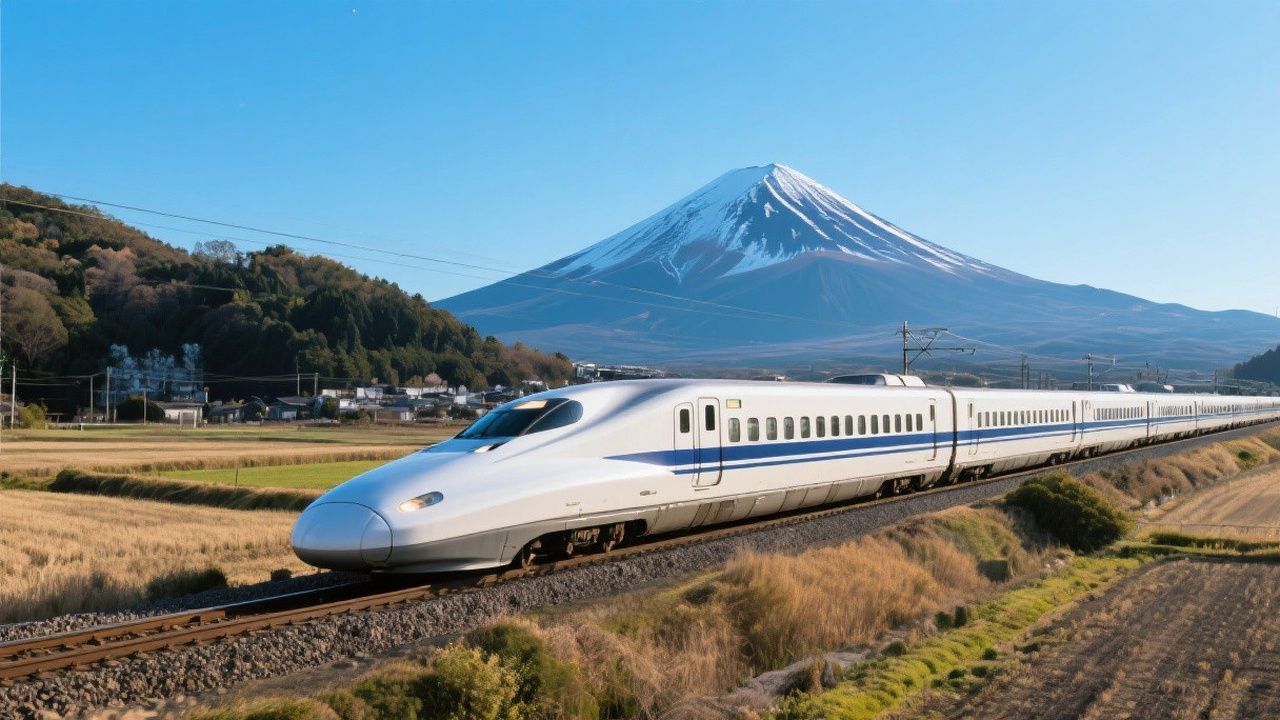
The Swiss Travel Pass is the best option for most visitors taking multiple long-distance journeys. A consecutive four-day pass costs 232 CHF ($260) second class; an eight-day pass costs 338 CHF ($378). The flex version, which lets you choose any four days within a month, costs 276 CHF ($308) for four days. I used the flex pass and activated it on my four main travel days, using cheaper regional tickets on rest days. The math worked out in my favor because my long-distance travel days were expensive individually.
For shorter trips or budget-conscious travelers, the Swiss Half Fare Card costs 120 CHF ($134) and gives you 50 percent off all tickets for one month. If your total train spending would exceed 240 CHF ($268) at half fare, the full Swiss Travel Pass is the better deal. I calculated my itinerary both ways and the four-day flex pass saved me about 60 CHF ($67) compared to the Half Fare Card. The SBB website has a comparison tool that does the math for you -- use it.
Second class is perfectly adequate for all Swiss trains. The seats are comfortable, the windows are large, and the views are identical. First class costs roughly 50 percent more and offers wider seats, more legroom, and power outlets at every seat. I traveled second class throughout and never felt the need to upgrade. One money-saving tip: the Saver Day Pass, available from 29 CHF ($32) if booked weeks in advance, gives unlimited travel on one specific day and can be combined with the Half Fare Card for even greater savings.
Essential Tips to Keep in Mind
- Download the SBB Mobile app before you arrive. It shows real-time schedules, platform numbers, seat maps, and lets you buy tickets and reservations. It is the single most useful travel app I have ever used.
- Pack lunch from supermarkets. Coop and Migros are everywhere, and a sandwich, fruit, and drink from Coop costs about 10 CHF ($11) compared to 25 CHF ($28) for a similar meal on the train.
- Check the weather before booking mountain excursions. A cloudy day at Jungfraujoch or Gornergrat means you paid 100+ CHF to see nothing. I checked webcams on the SBB website before committing to each mountain trip.
- Validate your Swiss Travel Pass before your first journey. Write the date in ink on the pass (or activate it digitally through the app). Traveling with an unvalidated pass can result in a fine.
- Consider staying in smaller towns rather than major hubs. I paid 90 CHF ($100) per night in Brunnen (on Lake Lucerne) versus 180 CHF ($201) in Lucerne, and the train connection was only 25 minutes.
Frequently Asked Questions
Is the Swiss Travel Pass worth it?
For most visitors, yes. If you plan to take three or more long-distance scenic trains plus local transport in cities, the pass pays for itself. I saved approximately 60 CHF ($67) with a four-day flex pass compared to buying individual tickets. The museum entries and free boat rides are a bonus.
What is the best scenic train in Switzerland?
The Bernina Express is my personal favorite for the combination of engineering (viaducts, tunnels, alpine crossings) and natural beauty (glaciers, lakes, mountain passes). The Glacier Express is more famous but slower and more expensive. The Gotthard Panorama Express offers a wonderful lake-and-mountain combination.
How much does a Swiss Alps train trip cost?
Budget travelers can manage 100 to 150 CHF ($112-$168) per day including a hostel bed, supermarket meals, and train travel with a pass. Mid-range travelers should plan for 200 to 300 CHF ($224-$336) per day including a hotel, restaurant meals, and mountain excursions. My eight-day trip cost approximately 2,200 CHF ($2,462) including flights, accommodation, food, and all transport.
Final Thoughts
Switzerland's train system is more than transportation -- it is the experience itself. The routes were designed as much for scenery as for efficiency, and sitting in a panoramic car watching the Alps unfold outside your window is one of the great pleasures of European travel. My Switzerland train travel advice comes down to this: buy the pass, book your reservations early, sit on the correct side, and do not look at your budget too closely while you are there. Some experiences are worth the francs, and riding the Bernina Express through a UNESCO World Heritage mountain landscape is absolutely one of them.