How to Take a Cooking Class in Italy: What to Expect and Where to Go
The moment I pulled my first sheet of fresh pasta through the hand-cranked machine in a tiny kitchen in Bologna, I understood something that no restaurant meal had ever taught me. Pasta isn't just food in Italy; it's a craft, a ritual, and a connection to generations of tradition. The class was run by a woman named Nonna Lucia, who was 82 years old and had been making tortellini every Sunday for 65 years. She didn't measure anything, and her hands moved with a precision that came from six decades of practice. That single morning launched what has become a personal mission to take a cooking class in every region I visit. After eight classes across Italy, here's everything you need to know.
Types of Cooking Classes Available
Italian cooking classes range from casual 2-hour pasta workshops to full-day immersive experiences that include market tours, multiple courses, and wine pairings. The most common format is a half-day class (4 to 5 hours) covering two to three dishes, typically costing 65 to 120 euros per person. In Rome, I took a half-day class with InRome Cooking that started with a tour of the Campo de' Fiori market, followed by hands-on preparation of bruschetta, fresh fettuccine, saltimbocca alla romana, and tiramisu. The class cost 95 euros and was limited to 12 participants.
Full-day classes (6 to 8 hours) offer a deeper dive into regional cuisine and typically cost 120 to 200 euros. In Tuscany, I took a full-day class at Agriturismo La Lippa outside Siena. The day started with harvesting vegetables from the garden, progressed through making four courses from scratch, and ended with a long lunch on the terrace overlooking the Tuscan hills. We made pici (thick hand-rolled pasta), wild boar ragu, ribollita, and cantucci with vin santo for dessert. The cost was 150 euros and included unlimited Chianti. For the most authentic experience, platforms like Eatwith connect travelers with home cooks who offer intimate classes in their own kitchens.
Pasta Making Workshops
Pasta making is the most popular type of Italian cooking class. Every region has its own pasta specialties. In Bologna, the focus is on egg-based pasta: tagliatelle, tortellini, and lasagna sheets. The dough is made with 00 flour and eggs (approximately 1 egg per 100 grams of flour), kneaded for 10 to 15 minutes until silky smooth, and then rested for 30 minutes before rolling. In Puglia, the focus shifts to orecchiette, made from just semolina flour and water, shaped by pressing the dough against a wooden board with a knife.
The best workshops teach you the hand-rolling technique rather than relying exclusively on machines. At a class in Florence with Food Florence Tours, the instructor had us start with a rolling pin and only introduced the hand-cranked machine for the final thinning passes. The 3-hour class cost 85 euros, and we made pappardelle, ravioli with ricotta and spinach, and gnocchi. In Piedmont, I took a class dedicated to agnolotti del plin at Osteria del Boccondivino in Alba for 110 euros, where we made filling from braised veal and ate the agnolotti with a sage butter sauce paired with Barolo wine.
Regional Specialty Classes
Italy's regional diversity is its greatest culinary strength, and regional specialty classes let you explore this in depth. In Naples, pizza-making classes are a must. I took one at La Notizia, a pizzeria operating since 1936. The class covered stretching the dough by hand, achieving the perfect char in a wood-fired oven at 485 degrees Celsius, and using San Marzano tomatoes and fior di latte mozzarella. The 3-hour class cost 70 euros, and each participant made and ate their own margherita pizza.
In Sicily, classes focus on the island's unique Arab-influenced cuisine. At a class in Siracusa, I learned to make couscous by hand, along with caponata and granita with brioche for 90 euros. In Emilia-Romagna, classes often cover Parmigiano-Reggiano production alongside cooking. At Academia Barilla in Parma, we visited a Parmigiano-Reggiano aging room and then made tortelli d'erbetta with a Parmigiano cream sauce. The full-day experience cost 180 euros.
Dietary Accommodation
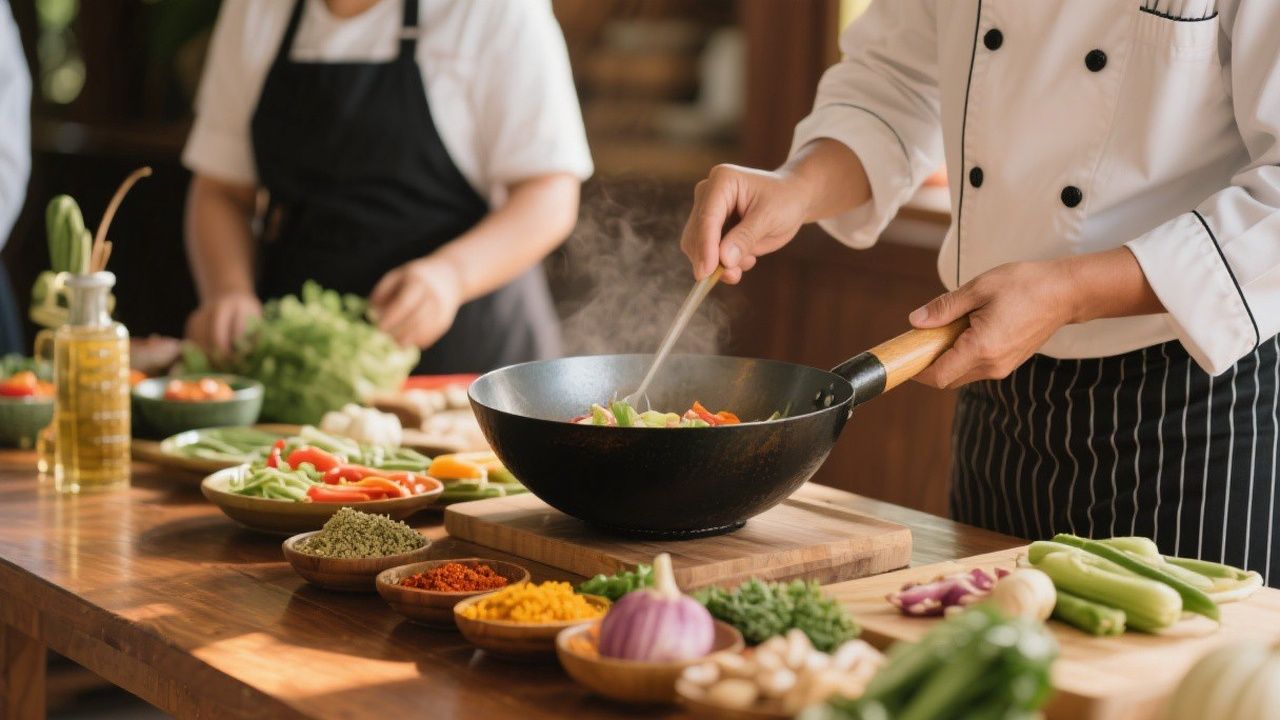
Italian cuisine has a reputation for being heavily meat and dairy-focused, but many traditional dishes are naturally vegetarian. Pasta with tomato sauce, pasta e fagioli, ribollita, minestrone, caponata, and countless antipasti are all vegetarian by default. Most cooking schools can accommodate vegetarian requests with advance notice. At my class in Rome, the instructor simply swapped the saltimbocca for a mushroom-based second course.
Vegan and gluten-free accommodations are more challenging but increasingly available. In Florence, In Tavola offers dedicated vegan cooking classes covering dishes like pasta with walnut sauce and almond-based desserts for 90 euros. For gluten-free participants, many schools use certified gluten-free flour. However, cross-contamination is a concern in kitchens that also handle wheat flour. If you have celiac disease, choose a school that specifically advertises gluten-free capabilities. I recommend emailing the cooking school at least 48 hours in advance with specific dietary requirements. If you have a life-threatening food allergy, consider a private class for 150 to 300 euros.
Essential Tips to Keep in Mind
- Book cooking classes at least one week in advance, two weeks during peak season (June through September). The best classes fill up quickly.
- Arrive hungry. Most classes include generous tastings or full meals, and you'll want to enjoy everything you've prepared. A typical class includes enough food for a full lunch or dinner with wine.
- Bring a notebook or use your phone to record techniques. Instructors share invaluable tips.
- Wear comfortable clothes and closed-toe shoes. An apron is usually provided.
- Ask questions about ingredient sourcing. Italian cooks are passionate about where their ingredients come from, and their recommendations for local markets are often the best you'll find.
Frequently Asked Questions
Do I need cooking experience to take a class?
No. Most classes are designed for beginners and assume no prior experience. The instructors walk you through every step, and the focus is on technique rather than speed.
How much do Italian cooking classes cost?
Half-day group classes range from 65 to 120 euros. Full-day classes range from 120 to 200 euros. Private classes start at 150 euros and can exceed 300 euros for premium experiences. Prices typically include all ingredients, equipment, wine, and the meal you prepare.
Are children welcome in cooking classes?
Many schools offer family-friendly classes or private family sessions. Children as young as 6 can participate in pasta-making and pizza-making classes. Check with the specific school about age policies and family pricing.
Final Thoughts
A cooking class in Italy is more than a tourist activity. It's an invitation into the heart of Italian culture, where food is love and tradition is sacred. The recipes you learn will stay with you long after you return home. I still make the pasta dough I learned in Bologna at least once a week, and every time I think of Nonna Lucia's hands working the flour and eggs with effortless grace. Whether you choose a half-day pasta workshop in Rome or a full-day farmhouse experience in Tuscany, book a class. It will be the most delicious memory of your entire trip.