The Ultimate Guide to Exploring the Norwegian Fjords
Bergen as Gateway City
Bergen is where most fjord trips start, and the city deserves at least two full days. Founded in 1070, Bergen was Norway's capital for centuries, and its colorful wooden wharf buildings (Bryggen) are a UNESCO World Heritage Site. The wharf is touristy — the ground-floor shops sell troll figurines and reindeer pelts at inflated prices — but walk the narrow alleyways behind the facades and you'll find independent galleries, a small museum on Hanseatic trading history (90 NOK admission), and a quiet courtyard where locals eat lunch.
Bergen is expensive. A sit-down lunch near the fish market will run 200 to 300 NOK ($19 to $28), a pint of beer is 90 to 120 NOK, and a hotel room averages 1,200 to 1,800 NOK per night. I stayed at Marken Gjestehus, a centrally located guesthouse with clean private rooms for 850 NOK per night. For food, buy fresh seafood from the Torget fish market (a salmon wrap for 95 NOK, a shrimp sandwich for 85 NOK) and eat it on the harbor wall. It's the same fish served in restaurants at triple the price.
Take the Fløibanen funicular from the city center to the top of Mount Fløyen (110 NOK round trip). The view of Bergen, the surrounding islands, and the fjord entrance is spectacular, and the hiking trails at the top offer hours of walking through birch forest. I hiked from Fløyen to Ulriken in about 3 hours — the trail is well-marked, moderately challenging, and passes through terrain that feels genuinely wild despite being within city limits.
I did the route independently, booking each segment separately, and saved about 300 NOK. The Flåm Railway alone is worth the trip. The 20-kilometer line climbs 866 meters from sea level to Myrdal through 20 tunnels and past cascading waterfalls, and the train stops at the Kjosfossen waterfall for a five-minute photo break. Book Flåm Railway tickets online at least two weeks ahead — seats sell out in summer. A one-way ticket costs 490 NOK.
For a more immersive experience, spend a night in Flåm. The village is small (population about 350) but has a handful of hotels and a surprisingly good brewery, Ægir BrewPub, serving craft beers and a Viking-inspired menu (main courses 250 to 350 NOK).
Preikestolen Pulpit Rock
Preikestolen (Pulpit Rock) is a 604-meter flat-topped cliff overlooking the Lysefjord, and it's become Norway's most iconic hike. The trail starts at the Preikestolen Fjellstue parking lot, about 30 minutes by ferry from Stavanger. The hike is 4.4 kilometers each way, with an elevation gain of about 350 meters, and takes 2 to 2.5 hours each way. It's not technically difficult — the trail is well-constructed with stone steps and gravel paths — but it's relentlessly uphill for the first 90 minutes.
Go early. I started hiking at 7 AM on a Tuesday in June and reached the rock with about 30 other people. By 11 AM, the platform was packed with several hundred. The ferry from Stavanger's Fiskepirterminalen to Tau runs from early May to late September, with the first departure at 7:20 AM. A round-trip ferry ticket plus bus to the trailhead costs 420 NOK.
The view from Preikestolen is genuinely vertigo-inducing. The cliff drops straight down to the Lysefjord 604 meters below, and the rock platform is only about 25 by 25 meters. There's no railing, no safety barrier — just you, the rock, and a lot of empty air. Bring at least 1.5 liters of water per person, wear proper hiking shoes, and pack a windbreaker — the temperature at the top is noticeably cooler than at the trailhead.
Midnight Sun Season
From late May to mid-July, the sun never fully sets above the Arctic Circle. Even south of the Arctic Circle, in Bergen and the fjord region, summer nights are bright — twilight rather than darkness. This has practical implications: bring an eye mask for sleeping, and plan activities without worrying about running out of daylight. I hiked until 10 PM on multiple occasions and never needed a headlamp.
The midnight sun creates extraordinary photography conditions. The golden hour stretches for hours rather than minutes, and the soft, warm light at 11 PM is unlike anything you'll experience at lower latitudes. June and July are peak season, with the best weather and the biggest crowds. Book accommodation and transport at least two months ahead. August is quieter and slightly cheaper, with the added bonus of berry-picking season — wild cloudberries and blueberries grow along hiking trails and are free for the taking.
Essential Tips to Keep in Mind
- Norway is expensive. Budget at least $150 to $200 per day for a mid-range trip. Save money by staying in hostels (500 to 800 NOK per night), self-catering, and using public transport.
- The Norway in a Nutshell pass is convenient but not always the cheapest option. Compare prices for booking individual segments — you can save 15 to 20 percent.
- Download the Entur app for public transport timetables across Norway. It covers buses, trains, ferries, and shows real-time departures.
- Weather changes fast. Carry rain gear on every hike, even on sunny mornings. I got soaked twice in three days despite clear forecasts.
- Wild camping (allemannsretten, the right to roam) is legal in Norway. You can pitch a tent anywhere that's not cultivated land and more than 150 meters from a house.
Frequently Asked Questions
How many days do you need for the Norwegian fjords? Five to seven days covers Bergen, Sognefjord, and one additional fjord. Add three to four days for Preikestolen and Stavanger if you want to include it.
Is Norway worth the cost? Yes, if you prioritize nature over nightlife and cities. The landscapes are unmatched in Europe, and the infrastructure is excellent.
Can you see the Northern Lights in the fjords? Not reliably. The Northern Lights are visible from October to March above the Arctic Circle (Tromsø, Lofoten).
Final Thoughts
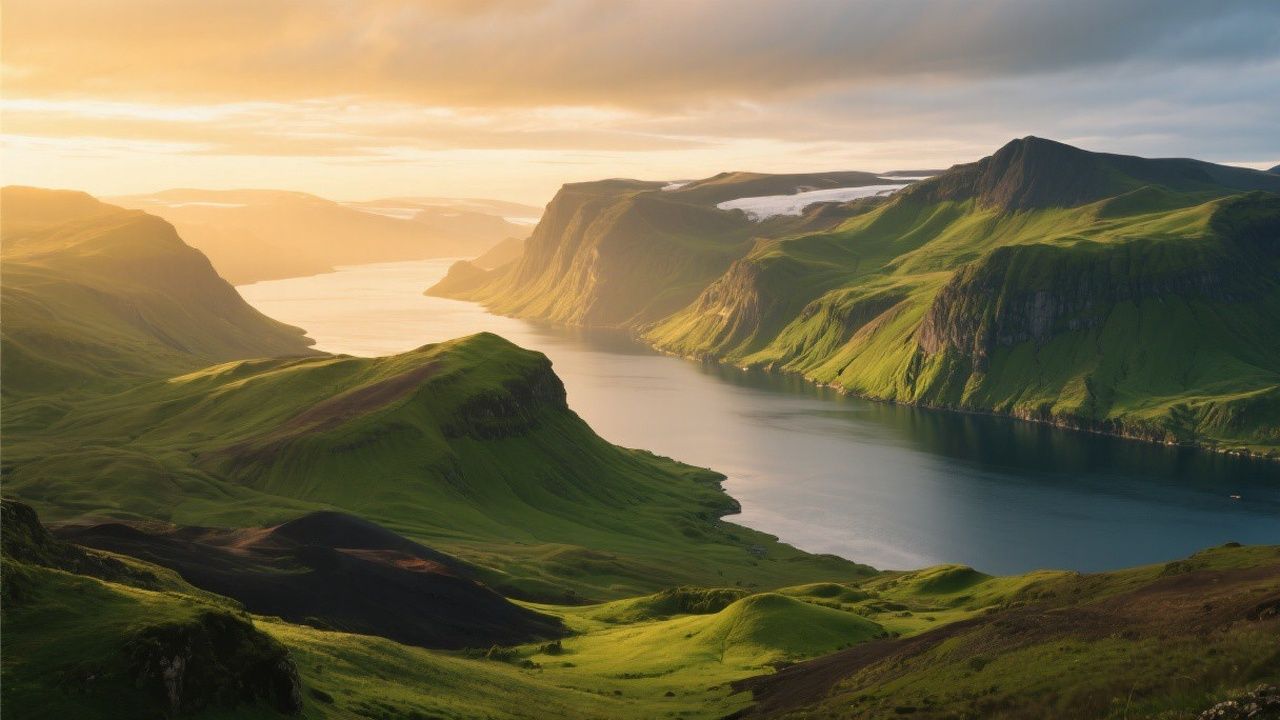
Norway's fjords are the kind of place that makes you recalibrate your definition of beautiful. Every turn in the road, every bend in the coastline, every ferry crossing reveals another view that makes you pull out your camera and then realize no photograph can do it justice. The country is expensive, no question, but the investment buys you access to landscapes that feel primordial — cliffs that have stood for millennia, water so deep and dark it seems bottomless, and a silence that only exists in places where human presence is still the exception rather than the rule.