The Best Rum to Buy in the Caribbean: Island-by-Island Guide
I bought my first bottle of Caribbean rum at a gas station in Barbados. It was a 200ml bottle of Mount Gay Extra Old, wedged between bags of plantain chips and bottles of local hot sauce. The cashier, a woman with a gold tooth and an easy laugh, told me it was the oldest rum in the world and that I would not find better anywhere. She was right. That bottle cost about 12 BBD (6 USD), and the liquid inside — aged in charred oak barrels, rich with vanilla, caramel, and toasted coconut — was better than rums I had paid four times as much for in liquor stores back home. That gas station purchase set the tone for every Caribbean rum experience that followed, and I have now bought rum on a dozen different islands. Each one has its own style, its own history, and its own bottles that you simply cannot find anywhere else.
Rum Tasting Techniques
Tasting rum properly is a skill that dramatically improves your buying decisions, and it is easier to learn than you might think. Start with a clean glass — a tulip-shaped snifter is ideal, but a wine glass works in a pinch. Pour a small amount (about 20ml) and let it sit for a minute. Unlike wine, rum benefits from a brief rest in the glass to open up. Swirl gently and take a short sniff from about an inch above the rim. Do not bury your nose in the glass — the alcohol will overwhelm your senses. You are looking for dominant aromas: molasses, vanilla, caramel, tropical fruit, spice, oak, or smoke. These aromas tell you about the rum's production method and aging.
Take a small sip and let it coat your entire palate before swallowing. Pay attention to the entry (initial taste), the mid-palate (how the flavors develop), and the finish (how long the flavors linger). A well-made aged rum will have a long, evolving finish that reveals new flavors for 30 seconds or more after swallowing. Cheap rum tends to have a short, hot finish dominated by alcohol burn. The difference is immediately apparent once you know what to look for. I tasted a 15-year-old Barbadian rum alongside a well-known commercial brand at a tasting in Bridgetown, and the contrast was stunning — the aged rum had layers of dark chocolate, dried fruit, and toasted almond that unfolded over nearly a minute, while the commercial brand tasted flat and one-dimensional by comparison.
When visiting distilleries, take advantage of the opportunity to taste multiple expressions side by side. Most Caribbean distilleries offer tasting flights for 15 to 30 USD that include three to five different rums. This is the fastest way to educate your palate and identify the styles you prefer. Take notes on your phone — you will not remember the specifics of eight different rums by the end of the day, and the notes will help you make informed purchasing decisions.
Aged vs White Rum
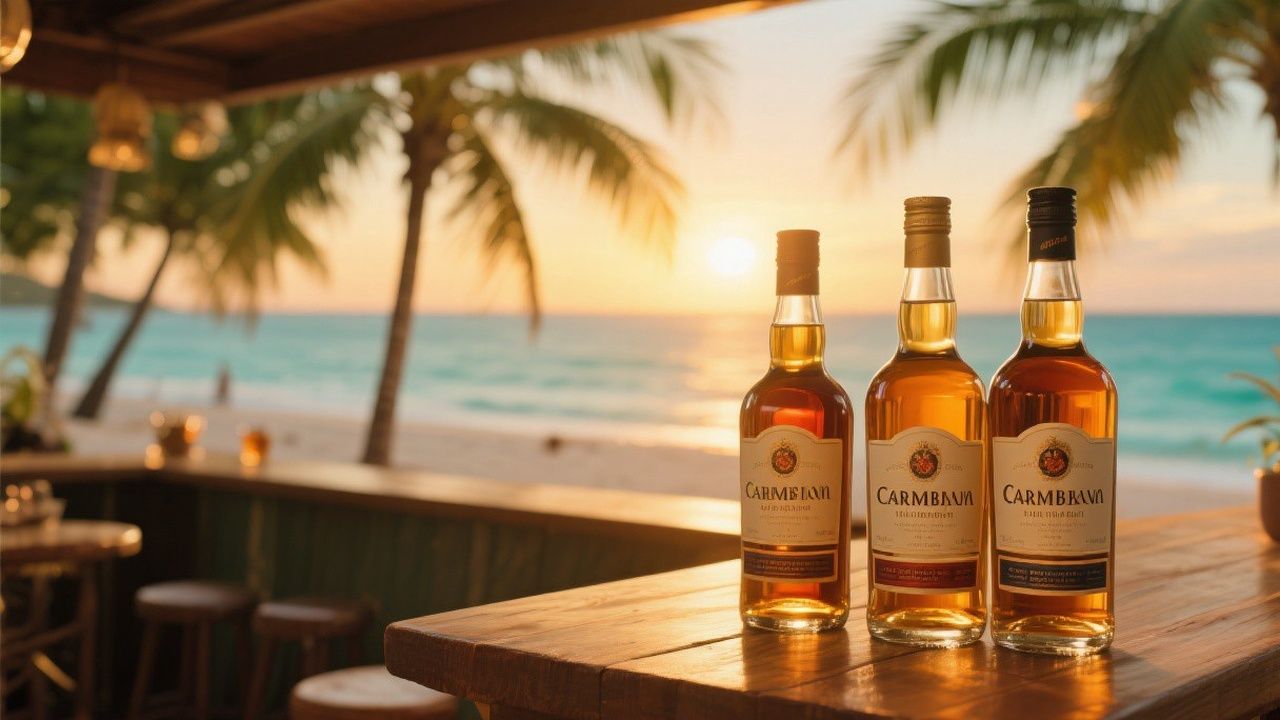
The distinction between aged and white rum is fundamental to Caribbean rum culture, and understanding it changes what you buy and how you use it. White rum is typically unaged or aged very briefly (a few months to a year) in stainless steel or neutral oak, then filtered to remove color. It is designed for mixing — daiquiris, mojitos, piña coladas — and the best white rums are clean, slightly sweet, and have a subtle grassy or sugarcane character. Don Q Cristal from Puerto Rico (about 8 USD per liter in San Juan) and Three Sheets White Rum from Barbados (about 10 USD per bottle) are excellent white rums that elevate any cocktail.
Aged rum is where the Caribbean truly excels. These rums spend years in oak barrels — often ex-bourbon or ex-sherry casks — developing complexity, color, and depth. The aging process imparts flavors of vanilla, caramel, baking spice, dried fruit, toasted nuts, and sometimes tobacco or leather. The age on the label refers to the youngest rum in the blend, so a "12-year-old" rum may contain components aged 15 or 20 years. Barbados and Jamaica are the powerhouses of aged rum production. Mount Gay XO (about 45 USD in Barbados) is aged 15 to 17 years and is one of the finest sipping rums in the Caribbean. Appleton Estate 21 Year Old from Jamaica (about 80 USD on the island) is another exceptional sipper with layers of orange peel, coffee, and dark chocolate.
My recommendation is to buy one white rum for mixing and one aged rum for sipping on each island you visit. This gives you a practical, usable haul rather than a collection of bottles you are afraid to open. The white rums will last through a summer of cocktails, and the aged rums will provide months of evening sipping that brings you right back to the Caribbean.
Shipping and Customs Regulations
Getting your rum home is a logistical challenge that varies significantly depending on where you live and how much you are carrying. For US residents, customs allows 1 liter of alcohol duty-free, with additional liters subject to a small duty of about 2 to 3 USD per liter. In practice, US Customs agents rarely collect duty on reasonable quantities (2 to 4 bottles per person), but they can technically charge duty on everything above the 1-liter exemption. Declare everything honestly — the duty, if charged, is minimal, and failing to declare carries far worse consequences than a small tax.
For UK residents, the allowance is generous: you can bring back 42 liters of spirits (roughly 60 standard bottles) without paying duty, as long as the alcohol is for personal use. EU residents have similar allowances. Canadian residents can bring back 1.14 liters duty-free after a 48-hour trip, with duty on additional amounts. Always check your specific country's current regulations before traveling, as rules change periodically.
Packing rum in checked luggage requires care. Wrap each bottle in bubble wrap or clothing and place it in the center of your suitcase. I use a technique of wrapping each bottle in a T-shirt, then placing all wrapped bottles together in the center of the suitcase, surrounded by softer items like underwear and socks. In over 30 flights with rum in my luggage, I have never had a breakage using this method. Some Caribbean airports sell padded bottle bags for about 5 USD that provide extra protection. If you are buying more than you can carry, many distilleries offer international shipping. Mount Gay ships to the US for about 25 to 35 USD per bottle, and delivery takes 1 to 2 weeks.
Jamaican Rum Styles
Jamaica produces some of the most distinctive and characterful rum in the Caribbean, and understanding its styles is essential for any serious rum buyer. Jamaican rum is known for its "hogo" — a complex, funky, estery character that comes from extended fermentation using wild yeasts and natural cane juice or molasses. The fermentation can last anywhere from a few days to several weeks, producing a rich, aromatic wash that distills into rum with extraordinary depth. This style is sometimes called "high ester" rum, and it is the foundation of many of the world's best rums.
Appleton Estate, in the Cockpit Country of St. Elizabeth parish, is Jamaica's most famous rum producer and one of the oldest continuously operating distilleries in the Caribbean. Their visitor center offers tours (25 USD including tasting) that walk you through the entire production process, from cane fields to aging warehouse. The tasting at the end includes five expressions, from the entry-level Signature Blend to the rare 21 Year Old. I found the 12 Year Old (about 35 USD at the distillery shop) to be the best value — it has a beautiful balance of brown sugar, dried apricot, baking spice, and a long, oaky finish. The distillery-exclusive rums, which change periodically, are worth asking about — I bought a single-cask expression for 55 USD that was one of the best rums I have ever tasted.
Beyond Appleton, Hampden Estate has gained a cult following among rum enthusiasts for its intensely flavored, high-ester rums. The Hampden Estate Rum Fire (about 30 USD in Jamaica) is an overproof white rum at 63 percent ABV that is used in tiki cocktails but is also fascinating to sip neat in small quantities. For aged expressions, the Hampden 8 Year Old (about 60 USD) is a remarkable rum with notes of tropical fruit, banana, and solvent-like esters that sound weird on paper but are absolutely captivating in the glass. Worthy Park Estate, another excellent Jamaican producer, offers tours and tastings that are less touristy than Appleton and equally rewarding. Their Single Estate Reserve (about 28 USD) is an outstanding value.
Essential Tips to Keep in Mind
- Visit distilleries during weekday mornings for the best experience. Weekend tours are often crowded, and some distilleries limit production line access on Saturdays.
- Buy distillery-exclusive bottles when available. Many Caribbean distilleries produce limited editions sold only at their visitor center. These are unique, often excellent, and make the best souvenirs.
- Avoid buying rum at cruise port shops. Prices are typically 30 to 50 percent higher than at the distillery or local liquor stores, and the selection is limited to mass-market brands.
- Try local cocktail bars to discover which rums the locals drink. The best rum bars in each island — like the Rum Bar at Mount Gay in Barbados or the Jamaican Rum Bar in Kingston — serve rare expressions you cannot find in stores.
- Store rum upright after opening. Unlike wine, cork-sealed spirits should be stored vertically to prevent the alcohol from degrading the cork over time. Keep bottles in a cool, dark place.
Frequently Asked Questions
What is the best Caribbean rum for beginners? Mount Gay Eclipse from Barbados (about 15 USD) is an excellent entry point — it is smooth, approachable, and versatile enough for cocktails or sipping. For a step up, the Mount Gay XO (about 45 USD) is a superb introduction to aged rum.
How many bottles of rum can I bring home? This depends on your country. US residents can bring 1 liter duty-free with duty on additional liters. UK and EU residents can bring back large quantities (up to 42 liters for spirits) for personal use. Check your specific country's customs regulations.
Is Caribbean rum cheaper on the islands? Significantly. A bottle of Appleton 12 Year Old that costs 55 USD in the US costs about 35 USD at the distillery in Jamaica. Mount Gay XO is about 65 USD in the US but 45 USD in Barbados. The savings are substantial enough to justify dedicated rum shopping time on any Caribbean trip.
Final Thoughts
Caribbean rum is more than a beverage. It is the liquid history of the region — every bottle carries the story of sugarcane fields, colonial trade routes, enslaved laborers who perfected the distillation process, and generations of master blenders who refined it into the spirits we enjoy today. Buying rum on the islands where it is made, from the distilleries and shops that know it best, transforms a simple purchase into a genuine cultural experience. I have rums from Barbados, Jamaica, Trinidad, Martinique, and Puerto Rico on my shelf at home, and each bottle brings back specific memories — the taste of a particular cocktail at a beach bar, the sound of a distillery guide explaining fermentation, the warmth of a Caribbean evening with a glass in hand. Come to the Caribbean with an empty suitcase and an open mind, and you will leave with something far more valuable than souvenirs.